

Available products
3 references

Frequently asked questions
About this category
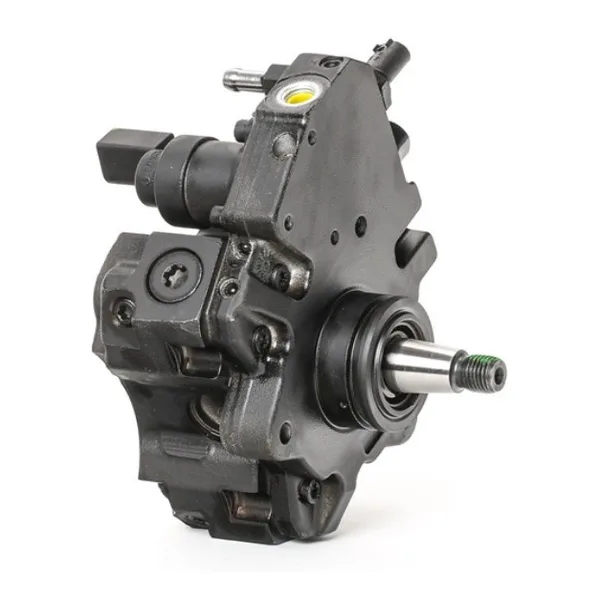
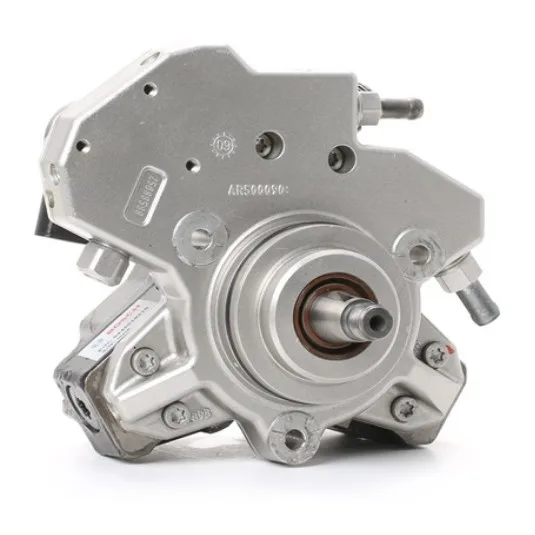
The Mercedes 350 CDI 265 hp is a workhorse diesel engine known for its durability, but even the most robust powertrains depend on flawless fuel delivery systems. This category focuses on the high-pressure pump, a component that meters diesel fuel at pressures exceeding 2,000 bar to maintain optimal combustion. Whether you're a professional mechanic facing a repeat failure or an owner performing your own repairs, finding a reliable replacement pump is essential to avoid costly downtime or engine damage.
At the heart of this range lies a carefully curated selection of remanufactured high-pressure pumps, each designed to meet the exacting standards of the Mercedes 350 CDI 265 hp. These pumps are sourced from suppliers who specialize in diesel fuel systems, ensuring that every unit undergoes a standardized remanufacturing process that restores performance to near-original levels. The role of the wholesaler here is to bridge the gap between remanufacturers and end-users, providing access to high-quality parts without the markup of a dealership.
Professional uses by trade
Different professionals approach the high-pressure pump replacement with distinct priorities, whether it's minimizing downtime for a commercial fleet or ensuring a long-term solution for a classic Mercedes. The following usages reflect the practical needs of garages, DIY enthusiasts, and German-speaking buyers who demand reliability and precision.
- Le garagiste independant : Replace a failing pump during a routine service to prevent unexpected breakdowns on the road, using an exchange-standard unit that reduces labor costs for the customer.
- L'automobiliste depanne : Order a remanufactured pump online to fit it yourself when a local garage quotes an excessive price for a new OEM part.
- Le passionne qui fait lui-meme : Diagnose a fuel delivery issue by swapping the high-pressure pump with a known-good unit, verifying the problem before committing to a permanent repair.
- Der deutsche Kaeufer (DACH) : Purchase a pump with a core deposit system to ensure the old unit is returned for remanufacturing, aligning with local environmental regulations and cost-saving practices.
- Le garagiste independant : Stock exchange-standard pumps for Mercedes 350 CDI models to offer customers a quick turnaround on repairs, avoiding delays from waiting for OEM parts.
- L'automobiliste depanne : Use a pump from a trusted remanufacturer to avoid the risk of counterfeit parts that could damage the fuel system or void the engine warranty.
- Der deutsche Kaeufer (DACH) : Select a pump with a documented remanufacturing history to ensure consistent performance, especially for vehicles used in demanding conditions like towing or heavy loads.
Range comparison
This table compares the three high-pressure pump models available for the Mercedes 350 CDI 265 hp, highlighting their compatibility, remanufacturing standards, and practical applications for professionals and owners alike.
| Range | Use | Format |
|---|---|---|
| High-pressure pump Bosch 0445010362 | Direct replacement for frequent failure scenarios | |
| High-pressure pump Bosch 0445010244 | Optimized for high-mileage engines with wear issues | |
| High-pressure pump Bosch 0445010210 | Preferred for performance-tuned or modified engines |
How to choose
Selecting the right high-pressure pump involves more than matching the part number—it requires evaluating the pump’s condition, remanufacturing process, and compatibility with your specific engine configuration. These criteria help professionals and owners make an informed decision that balances cost, reliability, and longevity.
- Conditioning: Prefer pumps that have undergone a multi-stage cleaning and testing process to ensure no contaminants remain from the previous use.
- Conservation: Check for proper storage practices, such as sealed packaging and controlled humidity, to prevent corrosion or seal degradation before installation.
- Regularity: Choose pumps from suppliers with a consistent remanufacturing cycle, as this reduces the risk of hidden defects or premature wear.
- Rotation: Opt for pumps that include a core deposit system, allowing the old unit to be returned for remanufacturing and reducing environmental impact.
- Compatibility: Verify the pump’s fitment with your engine’s power output and fuel system upgrades, especially for tuned or modified applications.
- Traceability: Select pumps with documented remanufacturing history, including pressure testing and leak checks, to ensure traceable quality.
- Warranty: Prioritize suppliers offering a warranty on the remanufactured unit, as this provides a safety net against unexpected failures.
Storage & logistics
For workshops and distributors, proper storage of high-pressure pumps is critical to maintaining their integrity until installation. These pumps should be kept in a climate-controlled environment, away from direct sunlight and moisture, to prevent seal drying or metal corrosion. Regular inventory rotation ensures that older stock is used first, reducing the risk of parts sitting unused for extended periods. When handling these components, avoid dropping or subjecting them to mechanical shock, as even minor damage can compromise their performance. For bulk storage, use shelving with dividers to prevent contact between units, and label each pump with its part number and remanufacturing date. This approach not only preserves the pump’s condition but also streamlines the picking process for technicians who need to locate the right part quickly during a repair.
With over a decade of experience in diesel fuel systems, our team has seen how a failing high-pressure pump can cripple an engine’s performance—whether it’s a Mercedes 350 CDI or another workhorse diesel. We don’t just sell pumps; we provide solutions that restore confidence in every repair, backed by remanufacturers who treat each unit as if it were new.— autoKUR team
Related categories
Browse our other ranges:
Useful references
For regulatory and sector references, see Reglement (UE) 461/2010 — pieces de rechange et garantie constructeur.