
Available products
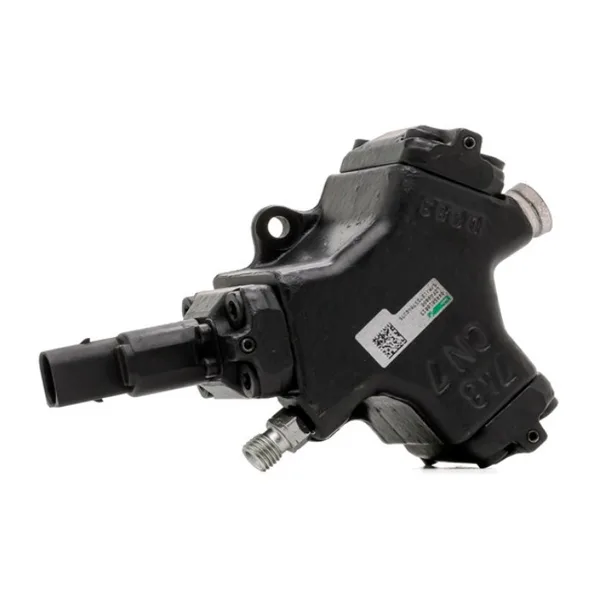
In stock
For the MERCEDES Classe V (638/2) in 200 CDI 102 hp (75 kW diesel), the autoKUR catalogue holds 1 exchange-standard reference(s). At equal displacement, two outputs do not call for the same part.
Engine specification: 2151 cm³, diesel, built from 03/1999 to 07/2003. Matching part number: 0445010013 (Bosch). Compare with the code stamped on your part.
Other engines of the MERCEDES Classe V (638/2): 220 CDI 122 hp. If the code stamped on your part is legible, search by reference remains the safest route. 24-month warranty.
Related categories
Frequently asked questions
About this category
This category covers high-pressure fuel pumps designed for the Mercedes 200 CDI engine with 102 horsepower, a motorization widely used in commercial vehicles and light trucks across Europe. Whether you are a professional mechanic troubleshooting a misfire or a DIY enthusiast replacing a failing component, finding the right pump means matching the vehicle’s exact motorization, power output, and production year. The pumps listed here are engineered for durability and precision, addressing common symptoms like sudden power loss, excessive smoke, or erratic idle.
The range is built around OEM references and their high-quality equivalents, sourced from suppliers specializing in remanufactured diesel injection components. Each pump undergoes rigorous testing to ensure it meets the original equipment’s performance standards, while the wholesale model allows garages to stock critical parts without tying up capital in slow-moving inventory. The focus remains on compatibility and reliability, with no compromise on the technical specifications required by the 200 CDI 102 HP powertrain.
Professional uses by trade
Different users approach the high-pressure pump for the 200 CDI 102 HP with distinct priorities: garages need fast, reliable replacements to minimize downtime, while DIYers seek cost-effective solutions that they can install themselves. German buyers, in particular, value precision-engineered parts that align with Mercedes’ original tolerances.
- Le garagiste independant : Replace a failing pump during a routine service to restore engine performance and avoid costly customer callbacks due to unresolved power loss.
- L'automobiliste depanne : Diagnose a sudden drop in acceleration or black smoke from the exhaust by swapping the high-pressure pump, a common failure point in high-mileage diesel engines.
- Le passionne qui fait lui-meme : Source a remanufactured pump to avoid the expense of a new OEM unit, then install it using basic tools and a repair manual for the 200 CDI.
- Der deutsche Kaeufer (DACH) : Prioritize pumps with documented remanufacturing processes to ensure long-term reliability, as German workshops often demand parts that meet strict quality benchmarks.
- Le garagiste independant : Stock a spare pump in bulk to handle emergency repairs on Mercedes commercial fleets, where downtime directly impacts profitability.
- L'automobiliste depanne : Verify pump compatibility by cross-referencing the vehicle’s engine code and production year before purchasing, ensuring a precise fit for the 200 CDI 102 HP.
- Der deutsche Kaeufer (DACH) : Choose pumps with clear return policies for core deposits, allowing cost recovery when returning the old unit for recycling.
Range comparison
Below, you will find the high-pressure pumps available for the Mercedes 200 CDI 102 HP, listed by their exact OEM reference and designed to integrate seamlessly with the engine’s fuel system.
| Range | Use | Format |
|---|---|---|
| High-pressure pump Bosch 0445010013 | direct replacement for 200 CDI 102 HP |
How to choose
Selecting the right high-pressure pump involves more than matching the reference; consider factors like remanufacturing quality, core deposit policies, and compatibility with your workshop’s inventory system.
- Opt for pumps with documented remanufacturing processes to ensure consistent pressure delivery and extended service life in high-mileage engines.
- Prioritize suppliers offering clear core deposit terms, allowing you to offset costs when returning the old pump for recycling or remanufacturing.
- Check the pump’s packaging for protective seals and anti-static measures, as improper storage can compromise internal components before installation.
- Verify the pump’s compatibility with your specific engine code and production year to avoid mismatches that lead to installation delays or performance issues.
- Choose suppliers with transparent return policies, enabling you to exchange a defective unit without lengthy delays or additional fees.
- Select pumps from brands with a track record in diesel injection systems, as their designs are more likely to align with Mercedes’ original specifications.
- For garages, consider bulk packaging to reduce per-unit costs and streamline inventory management, especially for high-turnover parts like high-pressure pumps.
Storage & logistics
High-pressure pumps must be stored in a dry, temperature-controlled environment to prevent moisture damage or seal degradation. Avoid stacking boxes to prevent pressure points on critical components, and keep units away from direct sunlight or sources of vibration. For garages, implementing a first-in-first-out (FIFO) system ensures older stock is used before newer deliveries, reducing the risk of parts sitting unused for extended periods. Always inspect packaging for tears or punctures before shelving, as even minor breaches can allow contaminants to reach the pump’s internal mechanisms.
With over a decade of experience in diesel injection systems, our team has seen how a single high-pressure pump failure can cascade into major engine issues if left unaddressed—this is why we source only remanufactured units that meet the original equipment’s performance benchmarks.— autoKUR team
Related categories
Browse our other ranges:
Useful references
For regulatory and sector references, see Reglement (UE) 461/2010 — pieces de rechange et garantie constructeur.