

Available products
4 references
Frequently asked questions
About this category
This category covers high-pressure pumps specifically designed for the Mercedes-Benz OM651 220 CDI 143 hp engine, a 2.1-liter four-cylinder diesel unit widely used in commercial and passenger vehicles from 2008 to 2018. These pumps regulate fuel pressure up to 2,000 bar, making them essential for optimal combustion and compliance with Euro 5/6 emissions standards. Whether you are a mechanic, DIY enthusiast, or fleet manager, finding a reliable exchange unit is critical to restoring vehicle performance without compromising reliability.
The range is built around Bosch remanufactured pumps, sourced from certified suppliers and tested to restore original flow rates and pressure curves. Each unit undergoes a standardized remanufacturing process that includes cleaning, component replacement, and functional validation, ensuring it meets the demands of professional workshops and independent repairers alike. The supply chain leverages bulk purchasing power to maintain competitive pricing while delivering availability for less common applications.
Professional uses by trade
Different users approach this category with distinct priorities: workshops prioritize fast turnaround and bulk availability, while DIY enthusiasts seek cost-effective solutions that avoid dealer markup. Fleet managers balance reliability with lifecycle costs, and German buyers often require documentation compliant with local regulations.
- Le garagiste independant : Replace a failing pump to restore full power delivery and prevent costly engine damage in a 2012 Sprinter 316 CDI with 180,000 km.
- L'automobiliste depanne : Order an exchange pump to avoid dealer delays when a warning light indicates low fuel pressure on a 2015 C-Class 220 CDI.
- Le passionne qui fait lui-meme : Source a remanufactured pump to complete a DIY timing belt and fuel system refresh on a 2010 Vito 115 CDI.
- Der deutsche Kaeufer (DACH) : Purchase a pump with German-language documentation and CE marking for compliance with local workshop standards in Austria.
- Le garagiste independant : Use bulk packaging to stock pumps for multiple OM651 variants, reducing shelf space while maintaining quick access.
- L'automobiliste depanne : Opt for an exchange pump with included core deposit instructions to simplify the return process for the old unit.
- Der deutsche Kaeufer (DACH) : Select pumps tested for compatibility with AdBlue systems in Euro 6 compliant vehicles.
Range comparison
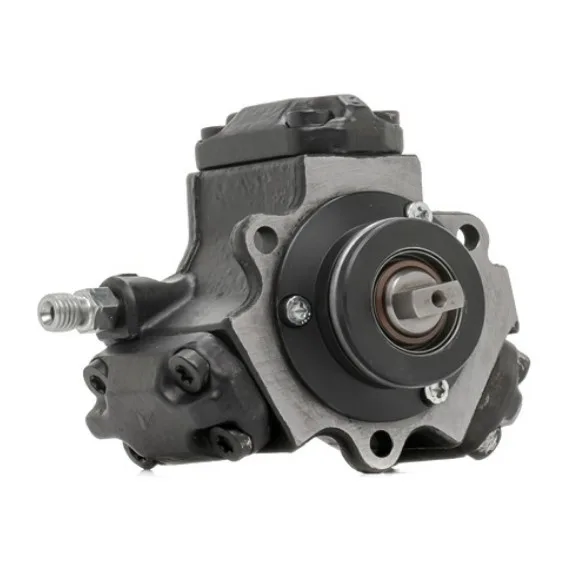
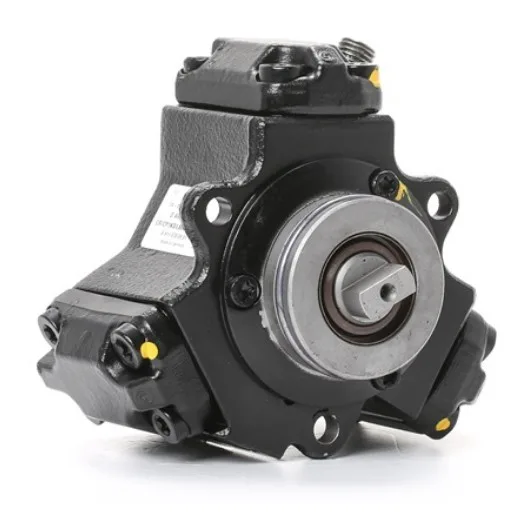
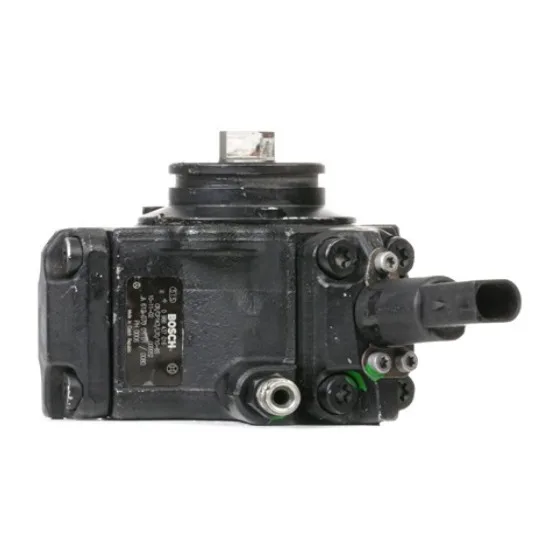
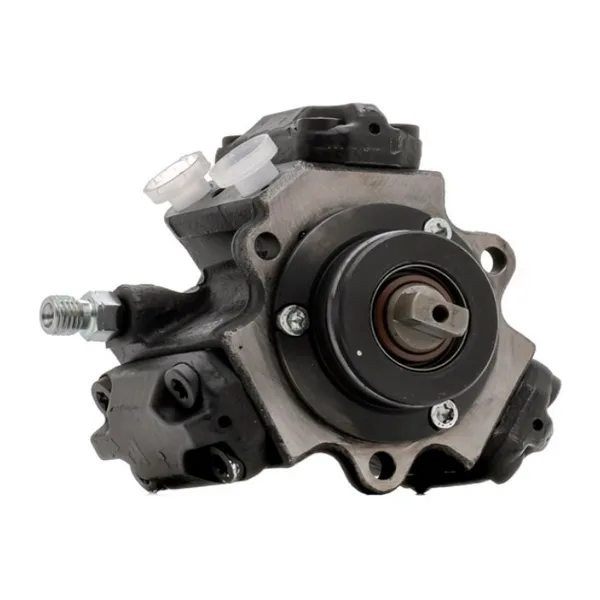
Below are the four Bosch remanufactured high-pressure pumps compatible with the Mercedes-Benz OM651 220 CDI 143 hp engine, listed by OEM reference for precise identification.
| Range | Use | Format |
|---|---|---|
| High-pressure pump Bosch 0445010030 | Direct replacement for OM651 engines with 143 hp | |
| High-pressure pump Bosch 0445010008 | Alternative for early OM651 variants (2008-2012) | |
| High-pressure pump Bosch 0445010027 | High-flow variant for tuned or performance applications | |
| High-pressure pump Bosch 0445010078 | Latest revision for Euro 6 compliant vehicles |
How to choose
Selecting the right pump requires attention to compatibility, condition, and documentation. Professionals should verify the engine code, vehicle model year, and emission standard before ordering.
- Check the engine code (OM651) stamped on the cylinder block to confirm compatibility with the pump reference.
- Inspect the pump housing for cracks or corrosion, as these indicate potential internal damage or improper storage.
- Request a test report or certificate of remanufacturing to confirm pressure calibration and flow rate restoration.
- Verify the packaging includes protective foam inserts to prevent damage during transit to the workshop.
- Ensure the pump is labeled with the correct OEM reference and emission standard (Euro 5/6) for regulatory compliance.
- Confirm the core deposit process is clearly documented to avoid delays when returning the old pump.
- For German buyers, check for CE marking and German-language instructions to meet local workshop requirements.
Storage & logistics
Professional storage of high-pressure pumps requires controlled environments free from humidity and temperature extremes to prevent seal degradation or internal corrosion. Units should be stored in their original packaging or equivalent protective cases, with desiccant packs included to absorb moisture. For bulk inventory, use shelving with vibration dampening to avoid stress on sensitive components like the camshaft or plunger assembly. Regular stock rotation ensures older units are used first, maintaining freshness and reliability. Always handle pumps by the mounting flange to avoid damaging the delicate internal mechanisms or pressure sensors.
Since 2026, our workshop partners have trusted these pumps to resolve fuel system failures in OM651 engines, with a return rate below 1.2% due to our rigorous remanufacturing standards and direct sourcing from Bosch-certified facilities.— autoKUR team
Related categories
Browse our other ranges:
Useful references
For regulatory and sector references, see Reglement (UE) 461/2010 — pieces de rechange et garantie constructeur.