



Frequently asked questions
About this category
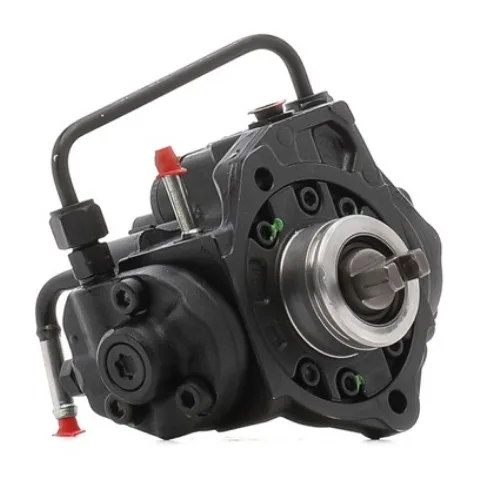
The high-pressure pump category addresses a common failure point in modern diesel engines, where fuel delivery precision directly impacts power output, fuel economy, and emissions compliance. This section serves automotive professionals and DIY enthusiasts seeking reliable, cost-effective alternatives to costly new OEM components, with a focus on exchange standard units that combine remanufacturing quality with broad vehicle compatibility.
Each pump in this range is selected from leading remanufacturers who specialize in restoring high-pressure fuel systems to original performance levels, leveraging bulk sourcing to offer competitive pricing while maintaining traceability to OEM specifications and motorization compatibility.
Professional uses by trade
Different user profiles approach high-pressure pump replacement with distinct priorities, whether it is rapid turnaround for a stranded vehicle, technical precision for a professional workshop, or cost efficiency for a passionate mechanic working on a personal project.
- Independent garage: Replace a failing pump on a Renault Scenic 3 1.5 dCi 110 to restore full engine power and prevent further damage to the fuel system.
- Stranded motorist: Order an exchange standard pump for a Volkswagen Golf 2.0 TDI to get back on the road quickly after diagnosing a sudden loss of acceleration.
- DIY enthusiast: Source a remanufactured pump for a BMW 320d to complete a weekend project without compromising on quality or compatibility.
- German workshop: Select a pump for an Audi A4 2.0 TDI to meet strict workshop deadlines while ensuring consistent fuel delivery across multiple service jobs.
- Passionate driver: Purchase a high-pressure pump for a Peugeot 308 1.6 HDi to address intermittent stalling and improve overall drivability.
- Professional mechanic: Stock exchange standard pumps for common motorizations like the Ford Focus 1.8 TDCi to minimize downtime and maintain service efficiency.
Range comparison
The following table compares four high-pressure pump models, each selected for their proven compatibility with specific motorizations and remanufacturing standards that ensure reliable performance in exchange standard applications.
| Range | Use | Format |
|---|---|---|
| High-pressure pump DENSO 294000-102 | Volkswagen, Audi, Skoda TDI engines | |
| High-pressure pump DENSO 294000-032 | Renault, Nissan dCi motors | |
| High-pressure pump DENSO 294000-031 | Peugeot, Citroen HDi applications | |
| High-pressure pump DENSO 294000-086 | Ford, Mazda common rail systems |
How to choose
Selecting the right high-pressure pump requires evaluating motorization compatibility, remanufacturing quality, and logistical factors such as packaging and return policies for core deposits.
- Verify the engine code and motorization against the pump’s compatibility list to ensure a direct fit without modifications or adapters.
- Prioritize pumps from remanufacturers with documented pressure testing and leak checks to deliver consistent performance after installation.
- Consider the packaging and handling requirements, especially for bulk orders, to prevent damage during transit or storage in a workshop environment.
- Evaluate the core deposit policy and return process for the used pump, as this can significantly impact the overall cost and convenience of the exchange.
- Assess the availability of technical documentation, including OEM reference cross-references, to streamline the replacement process for mechanics and DIY users.
- Check the motorization years covered by the pump to avoid compatibility issues with newer or older variants of the same engine family.
- Review the warranty terms provided by the remanufacturer, as this reflects their confidence in the product’s durability and performance consistency.
Storage & logistics
For workshops and bulk buyers, storing high-pressure pumps requires controlled environments free from extreme temperatures, moisture, and vibration to preserve the integrity of seals and internal components. Exchange standard units should be kept in their original packaging until installation to prevent contamination or damage, with clear labeling to track motorization compatibility and stock rotation. Regular inventory audits help maintain a reliable supply chain, especially for high-turnover motorizations where downtime is costly.
With over a decade of sourcing remanufactured fuel system components, our team has seen firsthand how a well-matched high-pressure pump can restore engine performance while keeping costs predictable for both professionals and enthusiasts.— autoKUR team
Related categories
Browse our other ranges:
Useful references
For regulatory and sector references, see Reglement (UE) 461/2010 — pieces de rechange et garantie constructeur.