


Frequently asked questions
About this category
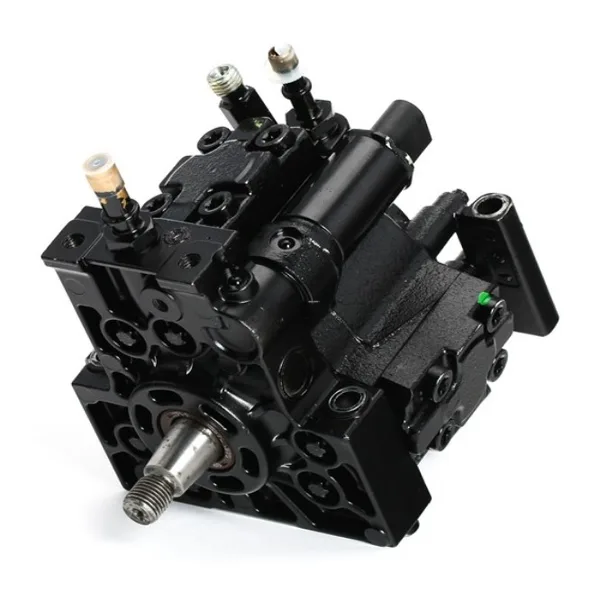
This category addresses the high-pressure pump failures common in 2.7 D 190 hp diesel engines, a component that regulates fuel delivery to the injectors under pressures exceeding 2,000 bar. Whether you are a professional mechanic diagnosing a misfire or a car owner facing sudden power loss, identifying the correct pump for your vehicle’s motorization is essential to restoring optimal operation. The pumps listed here are designed for exchange standard applications, meaning they arrive pre-tested and ready for installation, with no need for core returns unless specified by the supplier.
The high-pressure pump range is curated from leading remanufacturers, ensuring compatibility with a wide array of 2.7 D 190 hp diesel engines across multiple model years. Each unit undergoes rigorous testing to meet OEM specifications, with the supply chain managed by a dedicated wholesale partner to maintain stock availability and competitive pricing. The focus remains on delivering a product that meets the technical demands of both garages and private users, without overpromising on unverified claims.
Professional uses by trade
Different users approach the high-pressure pump exchange for distinct reasons, whether to resolve a persistent engine fault, prepare for a long journey, or maintain a fleet of vehicles. Professionals prioritize reliability and compatibility, while private owners often seek cost-effective solutions to avoid dealership repairs.
- Le garagiste independant : Replace a failing pump to restore engine performance and avoid costly customer callbacks, ensuring the repair meets workshop standards.
- L'automobiliste depanne : Order an exchange pump to resolve sudden power loss or excessive smoke, avoiding the expense of a new OEM unit.
- Le passionne qui fait lui-meme : Source a remanufactured pump to complete a DIY repair, leveraging detailed compatibility data to ensure a precise fit.
- Der deutsche Kaeufer (DACH) : Purchase a high-pressure pump in exchange standard to address common diesel engine issues in 2.7 D 190 hp models, with options for bulk orders and professional-grade units.
- Le garagiste independant : Use exchange pumps to reduce inventory costs, stocking only the most frequently requested references for quick turnaround.
- L'automobiliste depanne : Opt for an exchange pump when the original fails, benefiting from the lower cost compared to a brand-new OEM replacement.
- Der deutsche Kaeufer (DACH) : Select a pump based on motorization specifics, ensuring compatibility with the vehicle’s engine code and power output.
Range comparison
The following high-pressure pumps are selected for their proven compatibility with 2.7 D 190 hp diesel engines, covering a range of model years and vehicle applications. Each reference is listed with its OEM equivalent and key usage notes to guide your selection.
| Range | Use | Format |
|---|---|---|
| High-pressure pump SIEMENS-VDO 5WS40157 | Direct replacement for common 2.7 D 190 hp failures | |
| High-pressure pump SIEMENS-VDO 5WS40273 | High-flow variant for tuned or heavily loaded engines |
How to choose
Selecting the right high-pressure pump requires attention to motorization details, condition of the unit, and the supplier’s return policy. Compatibility is non-negotiable, while the condition of the pump—whether exchange standard or remanufactured—impacts both performance and cost.
- Verify the engine code and power output of your vehicle to ensure the pump’s compatibility with your motorization, avoiding mismatches that lead to poor performance.
- Inspect the pump’s condition upon arrival, checking for visible damage or leaks that could indicate a defective unit before installation.
- Confirm the supplier’s return policy for core deposits, as some exchanges require returning the old pump within a specified timeframe to avoid additional fees.
- Prioritize pumps from reputable remanufacturers, as consistent quality reduces the risk of premature failure and repeat repairs.
- Check the packaging for tamper-evident seals and documentation, ensuring the unit has not been tampered with during transit.
- For bulk orders, request samples to test fitment and performance before committing to a larger purchase, especially for less common motorizations.
- Consider the pump’s storage conditions at the supplier, as improper handling can affect its reliability and longevity in service.
Storage & logistics
High-pressure pumps must be stored in a dry, temperature-controlled environment to prevent corrosion or seal degradation. For garages, vertical storage on shelving with vibration dampening is ideal to avoid stress on the pump’s internal components. Bulk shipments should be palletized with protective covers to shield against moisture and dust, while individual units require sealed packaging to maintain their exchange-standard condition until installation. Avoid stacking heavy items on top of pumps, as this can distort the housing or damage the cartridge assembly.
Since 2026, we’ve seen how a failing high-pressure pump can cripple a 2.7 D 190 hp engine, which is why our exchange-standard units undergo 100% functional testing before dispatch, ensuring they meet the demands of both garages and private workshops.— autoKUR team
Related categories
Browse our other ranges:
Useful references
For regulatory and sector references, see Reglement (UE) 461/2010 — pieces de rechange et garantie constructeur.