


Frequently asked questions
About this category
The high-pressure pump category serves a dual audience: professional mechanics who need reliable, traceable components for workshop repairs, and automotive enthusiasts who prefer to handle maintenance themselves. This section focuses exclusively on exchange standard pumps designed for diesel injection systems, where remanufacturing offers a cost-effective alternative to new parts without sacrificing performance. Here, you’ll find pumps calibrated for specific motorizations, including the Renault Scenic 3 1.5 dCi 110, ensuring seamless integration with the vehicle’s existing fuel system. The emphasis is on compatibility, durability, and the practical benefits of choosing a remanufactured solution over a brand-new unit.
The range of high-pressure pumps in this category is built around a core principle: restoring the pump’s internal components to a state that meets or exceeds original equipment specifications. This is achieved through a multi-stage process that includes disassembly, cleaning, inspection, and replacement of worn parts, followed by rigorous testing to confirm pressure consistency and leak tightness. The role of the wholesaler is pivotal here, as they source high-quality cores, manage the remanufacturing workflow, and distribute the finished products to garages and private customers. This model ensures that even hard-to-find calibrations remain accessible without the premium pricing of OEM parts.
Professional uses by trade
Different users approach high-pressure pump replacement with distinct priorities, whether it’s minimizing downtime for a workshop or ensuring a smooth repair for a weekend project. Garages prioritize traceability and bulk availability, while DIY enthusiasts value clear compatibility guidance and straightforward return policies for cores. This section breaks down the practical applications of exchange standard pumps across these user profiles, highlighting how each group benefits from a remanufactured solution tailored to their needs.
- Le garagiste indépendant : replaces a failing pump during a routine service to restore full engine power and fuel efficiency without waiting for OEM parts, using a remanufactured unit that matches the vehicle’s motorization exactly.
- L'automobiliste dépanné : seeks a quick, cost-effective solution when a pump failure leaves the vehicle in limp mode, opting for an exchange standard unit to avoid the expense of a new pump while ensuring immediate drivability.
- Le passionné qui fait lui-même : researches the pump’s compatibility with their Renault Scenic 3 1.5 dCi 110 before ordering, then handles the installation themselves to save on labor costs while trusting the remanufactured part’s reliability.
- Der deutsche Käufer (DACH) : orders a high-pressure pump calibrated for their specific diesel motorization, leveraging the exchange standard model’s availability and competitive pricing in the German-speaking market.
- Le gestionnaire de flotte : maintains multiple vehicles by stocking exchange standard pumps as backups, ensuring minimal downtime during breakdowns by having the exact calibration on hand for rapid replacement.
- Le mécanicien en atelier mobile : carries a selection of remanufactured pumps in their service van to address on-site failures, relying on the pump’s proven compatibility with common motorizations like the 1.5 dCi 110.
- Le propriétaire de véhicule ancien : replaces a worn pump in a classic diesel model, where finding a new unit is impractical, and opts for an exchange standard solution to extend the vehicle’s usable life.
Range comparison
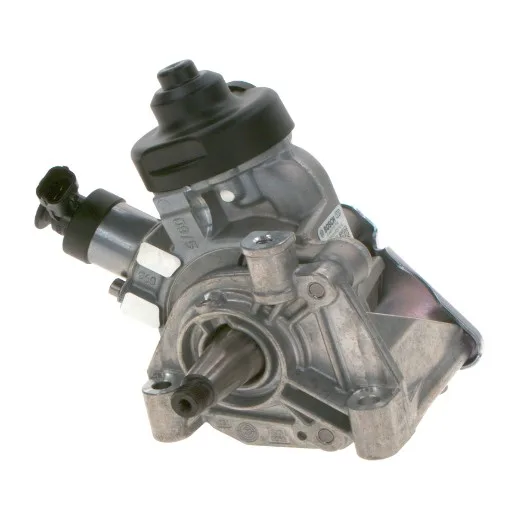
The following table compares the two high-pressure pump models available for the Renault Scenic 3 1.5 dCi 110, focusing on their practical applications and compatibility with the vehicle’s fuel system. Each entry highlights the pump’s role in restoring engine performance while adhering to the exchange standard model’s principles.
| Range | Use | Format |
|---|---|---|
| High-pressure pump Bosch 0445010705 | direct replacement for Scenic 3 1.5 dCi 110 | |
| High-pressure pump Bosch 0445010704 | alternative calibration for same motorization |
How to choose
Selecting the right high-pressure pump involves evaluating several factors beyond mere compatibility, including the pump’s condition, packaging, and the supplier’s handling of core returns. Professionals must also consider the pump’s internal state—whether it’s a remanufactured core or a fully rebuilt unit—and how the supplier manages logistics to ensure timely delivery. This section outlines the key criteria to guide your choice, balancing practicality with long-term reliability.
- Conditioning: opt for pumps supplied in sealed, anti-static packaging to prevent contamination during storage or transport, ensuring the internal components remain protected until installation.
- Core deposit policy: verify the supplier’s process for returning the old pump, as a transparent core management system reduces costs and simplifies logistics for workshops.
- Consistency of performance: prioritize pumps that have undergone pressure testing to confirm they meet the original equipment’s flow and leak-tightness standards, avoiding variability in engine behavior.
- Rotation and availability: choose a supplier with a well-stocked inventory to minimize lead times, especially for less common calibrations like those for the 1.5 dCi 110 motorization.
- Traceability: ensure the pump is accompanied by documentation linking it to its remanufacturing batch, providing confidence in its origin and the processes it has undergone.
- Compatibility cross-check: confirm the pump’s fitment with the vehicle’s exact motorization code and power output, as even minor discrepancies can lead to installation issues or performance gaps.
- Supplier reliability: assess the wholesaler’s reputation for handling returns and warranties, as a dependable partner reduces the risk of delays or disputes during critical repairs.
Storage & logistics
For workshops and private owners alike, proper storage of exchange standard high-pressure pumps is essential to maintain their condition until installation. The pump should be kept in a clean, dry environment, away from direct sunlight and temperature extremes, to prevent seal degradation or internal corrosion. If the pump is stored for an extended period, it’s advisable to periodically check the packaging for signs of damage and ensure the core remains securely sealed. For bulk storage, use shelving that prevents vibration or impact, as even minor shocks can dislodge internal components or affect calibration. When handling the pump, always use gloves to avoid transferring oils or contaminants from your hands to the unit, and store it in an upright position to prevent fluid leaks from the ports. A dedicated storage area, separate from other automotive fluids, further reduces the risk of cross-contamination and ensures the pump remains ready for immediate use when needed.
With over a decade of experience in remanufacturing diesel injection components, our team has seen firsthand how an exchange standard high-pressure pump can restore a vehicle’s performance without the premium of a new unit. We’ve refined our process to focus on precision and consistency, ensuring every pump we supply meets the demands of both garages and DIY enthusiasts who rely on reliability above all else.— autoKUR team
Related categories
Browse our other ranges:
Useful references
For regulatory and sector references, see Reglement (UE) 461/2010 — pieces de rechange et garantie constructeur.