


Frequently asked questions
About this category
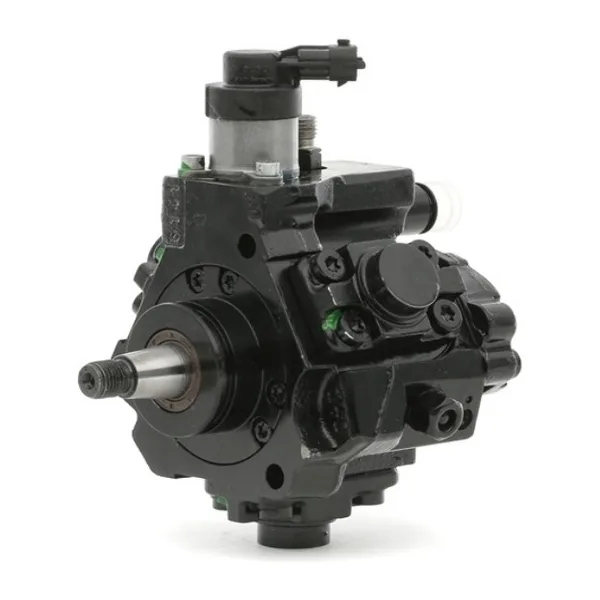
The 2.5 CRDI 170 HP diesel engine category addresses a persistent challenge in modern diesel powertrains: the high-pressure pump’s role in maintaining optimal fuel delivery for combustion efficiency. This section targets professionals and enthusiasts who understand that a failing pump leads to reduced power, increased emissions, and potential engine damage. Here, you’ll find exchange-standard pumps designed to restore factory-level performance without the premium cost of new OEM parts, ensuring both reliability and affordability for your repair needs.
This range is curated to meet the demands of independent garages and DIY mechanics who require parts that align with specific vehicle models, engine codes, and power outputs. The grossist model ensures that each pump is sourced from reputable manufacturers, undergoes rigorous functional testing, and is packaged to withstand transit while preserving its operational integrity. The focus remains on compatibility and consistency, bridging the gap between OEM specifications and aftermarket solutions.
Professional uses by trade
Different users approach the high-pressure pump for distinct reasons, whether it’s restoring a vehicle’s performance, diagnosing a persistent issue, or preemptively replacing a component known for wear. Garages rely on these pumps to minimize vehicle downtime, while DIY enthusiasts seek cost-effective alternatives to dealership repairs. German buyers, in particular, prioritize precision and durability in their replacements.
- Independent garage: Replace a failing pump to restore full power delivery and prevent engine damage in a 2018 Hyundai Santa Fe 2.5 CRDI 170 HP.
- DIY enthusiast: Install an exchange-standard pump to avoid costly dealership repairs while maintaining the vehicle’s original performance levels.
- German buyer: Source a high-pressure pump that meets strict European emission standards for a 2015 Kia Sorento 2.5 CRDI 170 HP without compromising on quality.
- Fleet manager: Order bulk pumps to keep a commercial fleet of diesel vehicles operational with minimal downtime during scheduled maintenance.
- Performance tuner: Upgrade the pump to support higher fuel pressures for modified engines while ensuring compatibility with the existing fuel system.
- Diagnostic specialist: Test a suspect pump by swapping it with a known-good unit to isolate issues in the fuel delivery system.
- Retrofit installer: Source pumps for older models where OEM parts are no longer available but the engine remains in active use.
Range comparison
The following table compares the two high-pressure pump references available for 2.5 CRDI 170 HP engines, highlighting their key attributes and intended applications. Each option is designed to meet the demands of specific vehicle models and operating conditions.
| Range | Use | Format |
|---|---|---|
| High-pressure pump Bosch 0445010118 | direct replacement for Hyundai models | |
| High-pressure pump Bosch 0445010207 | universal fit for Kia and other brands |
How to choose
Selecting the right high-pressure pump requires evaluating several factors beyond mere compatibility, including packaging, storage conditions, and the supplier’s track record in handling diesel components. Professionals should prioritize units that align with their workflow and quality expectations.
- Conditioning: Opt for pumps packaged in sealed, anti-static containers to prevent contamination during storage and transit.
- Compatibility: Verify the pump’s fitment with your vehicle’s engine code and model year to avoid mismatches.
- Rotation: Choose suppliers with a high turnover rate to ensure you receive recently tested and remanufactured units.
- Consistency: Prioritize pumps from manufacturers with a reputation for consistent quality across batches.
- Documentation: Ensure the pump includes OEM reference numbers and any relevant technical data for installation.
- Testing: Confirm the supplier performs functional bench tests to validate pressure output and leak resistance.
- Logistics: Select suppliers with efficient shipping options to minimize delays in urgent repair scenarios.
Storage & logistics
Proper storage of high-pressure pumps is essential to maintain their functional integrity before installation. Keep units in a climate-controlled environment, away from direct sunlight and moisture, to prevent corrosion or seal degradation. For bulk orders, use shelving that supports the pump’s weight without stressing the housing, and avoid stacking units to prevent damage to the connectors or mounting flanges. Regularly inspect stored pumps for signs of contamination or physical wear, and rotate stock to ensure older units are used first. When handling, always wear gloves to prevent skin oils from affecting seals, and store pumps in their original packaging until ready for use. This approach ensures that each pump arrives in optimal condition, ready to perform reliably in demanding diesel applications.
Since 2026, our team has handled hundreds of these pumps, and we’ve learned that the difference between a successful repair and a repeat failure often comes down to the pump’s condition before installation. We don’t just sell parts; we provide solutions that meet the real-world demands of diesel engines.— autoKUR team
Related categories
Browse our other ranges:
Useful references
For regulatory and sector references, see Reglement (UE) 461/2010 — pieces de rechange et garantie constructeur.