


Frequently asked questions
About this category
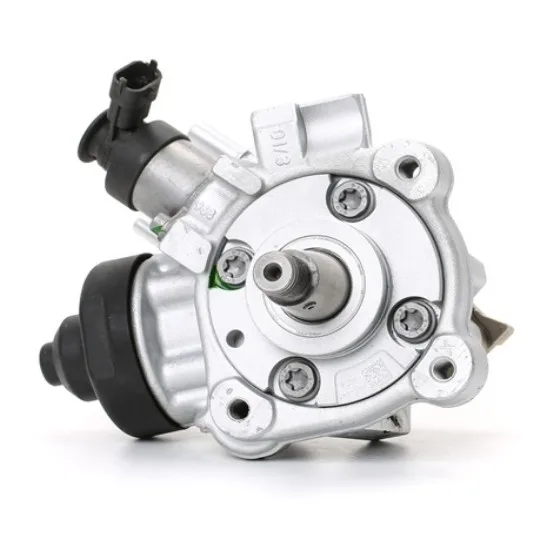
The 1.5 TDCi 75 HP diesel engine, found in models from Ford and other manufacturers, relies on a high-pressure pump to deliver fuel at the precise pressure needed for combustion. This category covers exchange standard pumps designed for direct replacement, offering a cost-effective alternative to new units while maintaining performance standards. Whether you are a mechanic facing a breakdown or a DIY enthusiast restoring a vehicle, these pumps provide a reliable solution without the complexity of full engine diagnostics.
As a wholesale specialist, we curate this range by partnering with leading remanufacturers who rebuild pumps to OEM tolerances, ensuring compatibility across model years and engine codes. The focus is on providing parts that fit seamlessly into existing systems, reducing the need for custom modifications or additional labor. This approach aligns with the needs of garages and private owners alike, who prioritize efficiency and reliability over unnecessary upgrades.
Professional uses by trade
Different users approach high-pressure pump replacement with distinct priorities: garages need speed and consistency, DIY enthusiasts seek affordability and simplicity, while German buyers often demand documentation and traceability. Below, we outline how each group benefits from exchange standard pumps in this category.
- Le garagiste independant : Replace a failing pump in under two hours using the 0445010516 reference, minimizing vehicle downtime and avoiding costly diagnostic errors.
- L'automobiliste depanne : Order a remanufactured pump online and install it yourself if you have basic mechanical skills, saving hundreds compared to dealer prices.
- Le passionne qui fait lui-meme : Source the 0445010576 unit for your project car, knowing it meets the same standards as the original equipment without the markup of a new part.
- Der deutsche Kaeufer (DACH) : Request the pump with full documentation, including OEM cross-references and remanufacturing certificates, for compliance with local workshop standards.
- Le garagiste independant : Use the pump as a direct swap for units showing symptoms like hard starting or excessive white smoke, confirming compatibility via engine code before ordering.
- L'automobiliste depanne : Pair the pump replacement with a new fuel filter to restore optimal performance, addressing common issues in older 1.5 TDCi engines.
- Der deutsche Kaeufer (DACH) : Verify the pump’s suitability for your vehicle’s model year by checking the OEM reference against your engine’s build date.
Range comparison
Below, we compare the two high-pressure pump references available for 1.5 TDCi 75 HP engines, highlighting their key features and intended uses to help you select the right part for your needs.
| Range | Use | Format |
|---|---|---|
| High-pressure pump Bosch 0445010516 | Direct replacement for Ford Focus and Mondeo models | |
| High-pressure pump Bosch 0445010576 | Suitable for Transit and other commercial vehicles |
How to choose
Selecting the correct high-pressure pump involves more than matching the reference number; consider factors like engine code, vehicle model year, and the pump’s remanufacturing process to ensure longevity and performance.
- Verify the engine code (e.g., K9K for Renault or DW10 for Ford) to confirm compatibility with the pump’s intended application and avoid mismatches.
- Check the pump’s remanufacturing date to ensure it hasn’t exceeded its recommended shelf life, which can affect reliability in older engines.
- Prefer pumps with a documented core deposit system, as this indicates a commitment to quality remanufacturing and environmental responsibility.
- Inspect the packaging for seals and anti-tamper labels, which protect the pump during transit and storage, reducing the risk of contamination.
- Compare the pump’s weight and dimensions against the original unit to rule out counterfeit or substandard replacements before installation.
- Request a pump with a documented history of use in similar engines, as this provides confidence in its performance under real-world conditions.
- For commercial fleets, prioritize pumps with a consistent supply chain to avoid delays during peak repair seasons or unexpected breakdowns.
Storage & logistics
High-pressure pumps must be stored in a dry, temperature-controlled environment to prevent corrosion or seal degradation. Avoid stacking units directly on top of each other, as this can distort the housing or damage internal components. For garages, a dedicated parts cabinet with dividers ensures each pump remains protected and easily accessible. Always handle pumps by the mounting flange to avoid stressing the shaft or impeller, and store them with protective caps over the ports to prevent debris ingress. Regular inventory checks help identify pumps that may have exceeded their recommended storage life, allowing for timely rotation or disposal.
With over a decade of sourcing remanufactured diesel injection components, our team has seen how a single pump failure can cascade into costly repairs if the wrong part is chosen. We prioritize pumps that meet OEM tolerances and offer transparent documentation, so mechanics and enthusiasts alike can proceed with confidence.— autoKUR team
Related categories
Browse our other ranges:
Useful references
For regulatory and sector references, see Reglement (UE) 461/2010 — pieces de rechange et garantie constructeur.