


Frequently asked questions
About this category
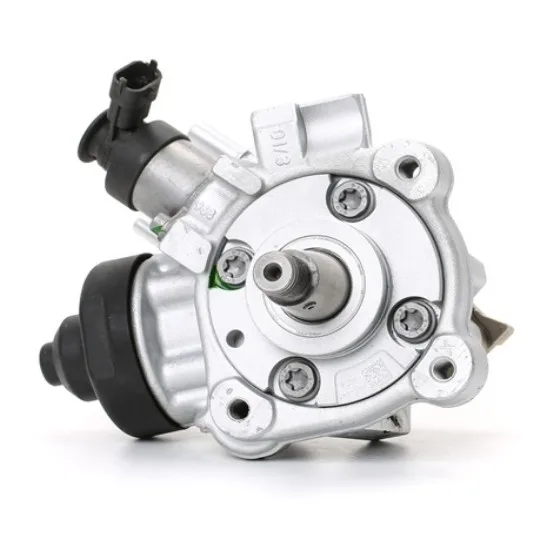
The 1.6 TDCi 95 hp engine, widely used in European vehicles from the mid-2000s to early 2010s, demands reliable fuel delivery to maintain performance. This category covers high-pressure pumps designed for exchange standard applications, offering a cost-effective alternative to new OEM parts. Whether you're a mechanic facing a breakdown or a DIY enthusiast restoring a vehicle, these pumps address common failure points like inconsistent fuel pressure or injector misfires, ensuring your engine runs smoothly again.
Our range is built around the needs of independent garages and automotive professionals who prioritize efficiency and quality. By partnering with trusted remanufacturers, we provide high-pressure pumps that meet or exceed OEM standards, with each unit tested for durability and precision. This approach eliminates the guesswork for mechanics, who can confidently source a replacement that fits their workflow, whether for a single repair or a fleet maintenance project.
Professional uses by trade
Different professionals approach high-pressure pump replacement with distinct priorities, from quick turnaround times to long-term reliability. Mechanics in busy workshops need parts that install without complications, while DIYers may prioritize compatibility and ease of access. German buyers, in particular, often seek pumps that align with local vehicle fleets and workshop standards.
- Le garagiste independant : Replace a failing high-pressure pump in a Ford Focus 1.6 TDCi to restore engine performance and avoid costly customer callbacks.
- L'automobiliste depanne : Order an exchange standard pump for a Renault Mégane 1.6 dCi to resolve a sudden loss of power during a road trip.
- Le passionne qui fait lui-meme : Install a remanufactured Bosch pump in a Peugeot 308 1.6 HDi to complete a restoration project without professional intervention.
- Der deutsche Kaeufer (DACH) : Source a high-pressure pump for a Volkswagen Caddy 1.6 TDI to meet local workshop demands and ensure quick availability.
- Le garagiste independant : Use an exchange standard pump to address a P262A fault code in a Ford Transit 1.6 TDCi, minimizing diagnostic time.
- L'automobiliste depanne : Purchase a pump for a Citroën Berlingo 1.6 HDi to fix a fuel delivery issue before a long-distance trip.
- Der deutsche Kaeufer (DACH) : Select a pump compatible with a Mercedes Citan 1.6 CDI to align with regional vehicle maintenance trends.
Range comparison
Below, you’ll find the high-pressure pumps available for 1.6 TDCi 95 hp engines, listed with their OEM references and key compatibility details. Each entry reflects a unit tested for exchange standard use, ensuring it meets the demands of professional and DIY applications alike.
| Range | Use | Format |
|---|---|---|
| High-pressure pump Bosch 0445010576 | Ford Focus 1.6 TDCi | |
| High-pressure pump Bosch 0445010516 | Renault Mégane 1.6 dCi |
How to choose
Selecting the right high-pressure pump requires attention to compatibility, condition, and intended use. Professionals should evaluate whether the pump matches the vehicle’s engine code, power output, and model year, while also considering storage and handling requirements to preserve its condition.
- Verify the engine code (e.g., K9K for Renault) to ensure the pump aligns with your vehicle’s specifications and avoids installation mismatches.
- Inspect the pump’s condition for signs of wear or corrosion, as even remanufactured units require careful handling to maintain performance.
- Check the packaging for protective seals and anti-static measures, which safeguard the pump during transit and storage in a workshop environment.
- Prioritize pumps from reputable brands like Bosch, as their remanufacturing processes ensure consistent quality and longevity in demanding applications.
- Assess the pump’s compatibility with your vehicle’s fuel system, including injector connections and pressure ratings, to prevent compatibility issues.
- Consider the pump’s rotation direction and mounting orientation, as incorrect installation can lead to immediate failure or reduced efficiency.
- Evaluate the supplier’s return policy for core deposits, which allows you to exchange a used pump for credit, reducing waste and costs in a professional setting.
Storage & logistics
Storing high-pressure pumps requires controlled conditions to prevent contamination or damage. Keep units in their original packaging, away from moisture, extreme temperatures, and direct sunlight, which can degrade seals and internal components. For workshops, designate a clean, dry storage area with minimal dust exposure, and avoid stacking pumps to prevent pressure points on critical surfaces. Regularly inspect stored pumps for signs of deterioration, such as cracked housings or degraded O-rings, and rotate stock to ensure older units are used first. If storing for extended periods, consider vacuum-sealing the pump in a moisture-barrier bag to further protect it from environmental hazards, ensuring it remains ready for immediate use when needed.
With over a decade of experience in remanufactured automotive parts, our team understands the urgency of a failed high-pressure pump. We’ve seen how a single faulty unit can bring a workshop to a standstill, so we source only the most reliable exchange standard pumps, tested to meet the demands of professionals who can’t afford downtime.— autoKUR team
Related categories
Browse our other ranges:
Useful references
For regulatory and sector references, see Reglement (UE) 461/2010 — pieces de rechange et garantie constructeur.