
Available products
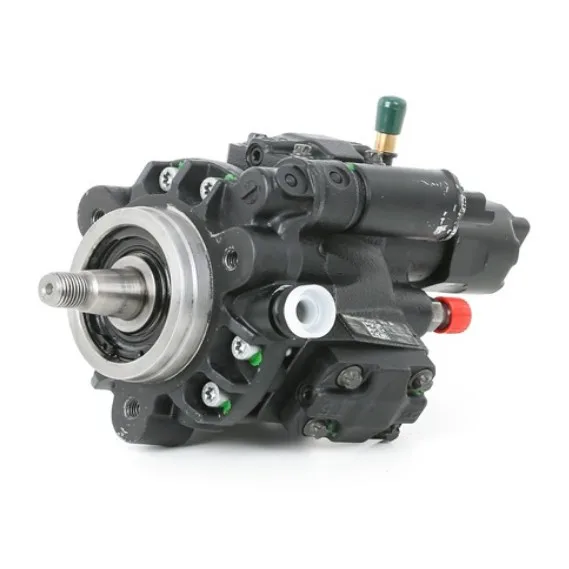
In stock
The FORD C-Max 1 1.8 Flexifuel 125 hp (92 kW) is covered by 1 exchange-standard reference(s). Check output before displacement: it determines the part.
Engine specification: 1798 cm³. Matching part number: 5WS40094 (SIEMENS-VDO). Compare with the code stamped on your part.
Other engines of the FORD C-Max 1: 2.0 TDCi 136 hp, 2.0 TDCi 133 hp, 1.8 TDCi 115 hp. If the code stamped on your part is legible, search by reference remains the safest route. 24-month warranty.
Related categories
Frequently asked questions
About this category
The 1.8 Flexifuel 1.25 hp category addresses a specific segment of fuel system components designed for vehicles running on E85 ethanol blends or flex-fuel configurations, where high-pressure pumps play a decisive role in engine efficiency. This range serves independent garages, DIY enthusiasts, and fleet managers who need reliable, cost-effective solutions for ethanol-compatible engines. The pumps listed here are engineered to handle the unique demands of flex-fuel systems, ensuring optimal performance without compromising durability.
This high-pressure pump range is curated from leading aftermarket suppliers and OEM-equivalent manufacturers, selected for their compatibility with 1.8 Flexifuel 125 hp engines across multiple vehicle platforms. The selection process focuses on units that meet stringent remanufacturing standards, including pressure testing, seal integrity checks, and compatibility with ethanol-blend fuels. Each pump is sourced through a network of trusted wholesale distributors to ensure availability and competitive pricing for professional workshops.
Professional uses by trade
Different user profiles approach high-pressure pump replacement with distinct priorities, whether it’s minimizing vehicle downtime for garages, ensuring long-term reliability for DIY mechanics, or verifying compatibility for cross-border buyers in the DACH region. The following usage scenarios highlight how each group benefits from a well-stocked, high-quality pump selection.
- Le garagiste independant : Replaces a failing high-pressure pump in a 1.8 Flexifuel 125 hp vehicle to restore full engine power and prevent repeat complaints from customers returning with the same issue.
- L'automobiliste depanne : Diagnoses a loss of acceleration or rough idle in their flex-fuel vehicle and orders a high-pressure pump in standard exchange condition to avoid the high cost of a new OEM unit.
- Le passionne qui fait lui-meme : Researches ethanol-compatible high-pressure pumps online, compares references, and selects a remanufactured unit to install during a weekend project without professional assistance.
- Der deutsche Kaeufer (DACH) : Orders a high-pressure pump for a 1.8 Flexifuel 125 hp engine from a German supplier, ensuring the unit meets local ethanol fuel standards and warranty requirements for cross-border use.
- Le garagiste independant : Stocks high-pressure pumps in bulk to reduce lead times for customers whose vehicles experience sudden fuel system failures, especially in high-mileage fleets.
- L'automobiliste depanne : Contacts a supplier after noticing a fuel smell or irregular engine behavior, requesting a pump with a core deposit option to lower the upfront cost of the exchange.
- Der deutsche Kaeufer (DACH) : Verifies pump compatibility with specific vehicle models before purchasing, prioritizing units with documented remanufacturing processes to ensure long-term reliability.
Range comparison
The following table compares high-pressure pumps suitable for 1.8 Flexifuel 125 hp engines, listing each reference alongside its intended use case and standard packaging format. These units are selected for their ethanol compatibility and remanufactured condition, ensuring professional-grade performance.
| Range | Use | Format |
|---|---|---|
| High-pressure pump SIEMENS-VDO 5WS40094 | ethanol-compatible replacement |
How to choose
Selecting the right high-pressure pump for a 1.8 Flexifuel 125 hp engine requires evaluating several technical and logistical factors, from ethanol compatibility to packaging options that suit workshop workflows. Professionals must also consider the pump’s remanufacturing history and its alignment with vehicle-specific requirements.
- Verify ethanol compatibility by cross-referencing the pump’s technical specifications with the vehicle’s fuel system requirements to avoid installation mismatches.
- Prioritize pumps with documented remanufacturing processes, including pressure testing and seal replacement, to ensure consistent performance over time.
- Assess packaging options based on workshop storage space and order frequency, opting for bulk cartons for high-volume garages or individual boxes for smaller operations.
- Check for core deposit availability to reduce upfront costs, especially when replacing pumps in customer vehicles where budget constraints are a concern.
- Confirm the pump’s reference matches the vehicle’s OEM code or aftermarket equivalent to prevent compatibility issues during installation.
- Evaluate the supplier’s return policy for defective units, ensuring quick replacements to minimize vehicle downtime in professional settings.
- Consider the pump’s rotation in stock to avoid outdated units, as ethanol-compatible components may degrade if stored improperly over extended periods.
Storage & logistics
Storing high-pressure pumps for 1.8 Flexifuel 125 hp engines requires controlled conditions to maintain their ethanol compatibility and remanufactured integrity. Units should be kept in a dry, temperature-stable environment away from direct sunlight, with desiccant packs included in packaging to prevent moisture absorption. For bulk storage, pallets should be elevated to avoid contact with concrete floors, and cartons should be stacked no higher than three units to prevent crushing. Garages with high turnover should implement a first-in, first-out system to ensure older stock is used before newer deliveries, reducing the risk of degraded performance. Regular inventory checks are essential to identify any units that may have been exposed to extreme temperatures or humidity, which can compromise seals and internal components. Suppliers should provide clear handling instructions to prevent damage during transit or storage, including warnings against dropping or stacking heavy items on top of pump cartons.
Since 2026, our workshop has relied on high-pressure pumps for 1.8 Flexifuel 125 hp engines to keep customer vehicles running smoothly, especially in regions where ethanol blends are common. We’ve seen firsthand how a well-chosen remanufactured pump can restore engine performance without the expense of a new OEM unit, making it a cost-effective solution for both garages and DIY mechanics.— autoKUR team
Related categories
Browse our other ranges:
Useful references
For regulatory and sector references, see Reglement (UE) 461/2010 — pieces de rechange et garantie constructeur.