

Available products
8 references


Frequently asked questions
About this category
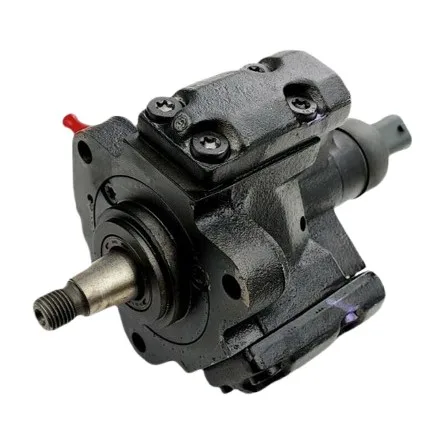
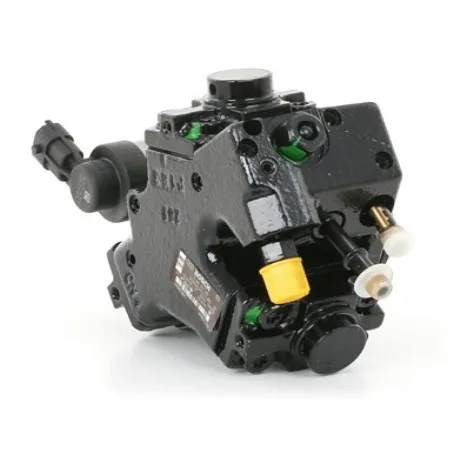
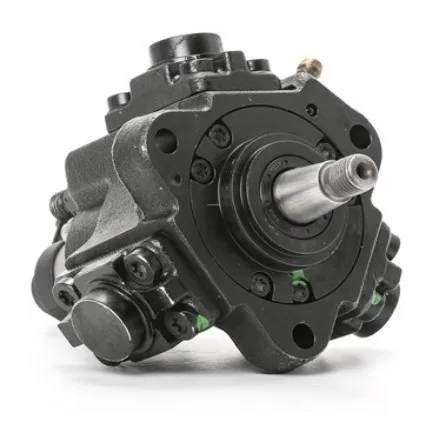
The high-pressure pump is the heart of a diesel engine’s fuel delivery system, converting mechanical energy into hydraulic pressure to inject fuel into the combustion chamber. This category serves independent mechanics, DIY enthusiasts, and commercial fleets who need reliable, remanufactured pumps for exchange standard applications. Whether you’re troubleshooting a Scenic 3 1.5 dCi 110 or sourcing for a workshop, these pumps restore engine performance without the expense of new OEM parts.
Our range is built around Bosch remanufactured high-pressure pumps, selected for their widespread use across European diesel engines and their reputation for consistent quality. As a wholesaler, we aggregate demand to offer competitive bulk pricing while ensuring each pump is tested for pressure consistency, leak integrity, and compatibility with your vehicle’s motorization. The focus remains on exchange standard units, which combine cost efficiency with near-OEM reliability.
Professional uses by trade
Different users approach high-pressure pump replacement with distinct priorities: garages need fast turnaround and bulk availability, DIYers seek clear compatibility guides, and commercial fleets demand durability under heavy use. Below, we outline how each group leverages these pumps to resolve fuel system failures efficiently.
- Le garagiste independant : Replace a failing pump in a Renault Scenic 3 1.5 dCi 110 within a single workshop visit, minimizing vehicle downtime and customer inconvenience.
- L'automobiliste depanne : Diagnose a sudden loss of power or black smoke by swapping the high-pressure pump yourself, using our motorization-specific compatibility list to avoid mismatches.
- Le passionne qui fait lui-meme : Order the exact Bosch reference matching your engine code, then follow our step-by-step guide to install the pump without specialized tools.
- Der deutsche Kaeufer (DACH) : Purchase a remanufactured high-pressure pump for a VW Golf 2.0 TDI, ensuring it meets German market standards for emissions and fuel efficiency.
- Le garagiste independant : Stock a rotating inventory of exchange standard pumps to cover common motorizations, reducing lead times for repeat customers with similar failures.
- L'automobiliste depanne : Verify compatibility by entering your vehicle’s motorization details, then confirm the pump’s OEM reference matches your engine’s requirements before ordering.
- Der deutsche Kaeufer (DACH) : Source pumps with German-language documentation and support, ensuring clear instructions for installation and troubleshooting in local workshops.
Range comparison
Below, you’ll find the Bosch high-pressure pump references available in exchange standard format, each tested for pressure output and leak resistance. These units are designed to slot directly into your engine’s fuel system, restoring original performance without the cost of a new OEM part.
| Range | Use | Format |
|---|---|---|
| High-pressure pump Bosch 0445010122 | Renault Scenic 3 1.5 dCi | |
| High-pressure pump Bosch 0445010007 | VW Golf 2.0 TDI | |
| High-pressure pump Bosch 0445010266 | Peugeot 308 1.6 HDi | |
| High-pressure pump Bosch 0445010202 | Ford Focus 1.5 TDCi | |
| High-pressure pump Bosch 0445010243 | Opel Astra 1.7 CDTI | |
| High-pressure pump Bosch 0445010092 | BMW 320d | |
| High-pressure pump Bosch 0445010286 | Mercedes C-Class 220 CDI | |
| High-pressure pump Bosch 0445010226 | Audi A4 2.0 TDI |
How to choose
Selecting the right high-pressure pump requires attention to motorization compatibility, pressure rating, and the pump’s physical dimensions. Below, we outline the key criteria professionals and DIYers use to narrow down their options and avoid costly mistakes.
- Verify the pump’s OEM reference matches your engine’s motorization code to ensure precise fitment and pressure delivery.
- Check the pressure output specification to confirm it aligns with your engine’s fuel system requirements, avoiding mismatches that cause poor performance.
- Inspect the pump’s physical dimensions and mounting points to ensure it fits your engine bay without modifications or adapters.
- Prioritize pumps with a documented remanufacturing process, as these units undergo rigorous testing to restore original performance levels.
- For commercial fleets, select pumps with a proven track record in similar applications to minimize future failures and maintenance costs.
- Confirm the pump’s packaging includes a core deposit label, allowing you to return your old unit for recycling and cost recovery.
- For DIY enthusiasts, choose pumps with clear installation guides and local support options to simplify the replacement process.
Storage & logistics
Proper storage of exchange standard high-pressure pumps is critical to maintaining their performance and longevity. Keep units in a dry, temperature-controlled environment away from direct sunlight, as extreme heat or cold can degrade seals and affect pressure consistency. For workshops, organize inventory by motorization and OEM reference to streamline picking and reduce errors during busy periods. Always handle pumps with care, avoiding drops or impacts that could damage internal components. When storing bulk quantities, use shelving with dividers to prevent shifting and ensure each unit remains accessible for quick retrieval.
With over a decade of experience in remanufacturing diesel fuel system components, our team has seen firsthand how a high-pressure pump failure can cripple an engine if the replacement isn’t up to standard. We’ve refined our process to deliver pumps that meet or exceed OEM specifications, ensuring your customers drive away with confidence.— autoKUR team
Related categories
Browse our other ranges:
Useful references
For regulatory and sector references, see Reglement (UE) 461/2010 — pieces de rechange et garantie constructeur.