

Available products
3 references


Frequently asked questions
About this category
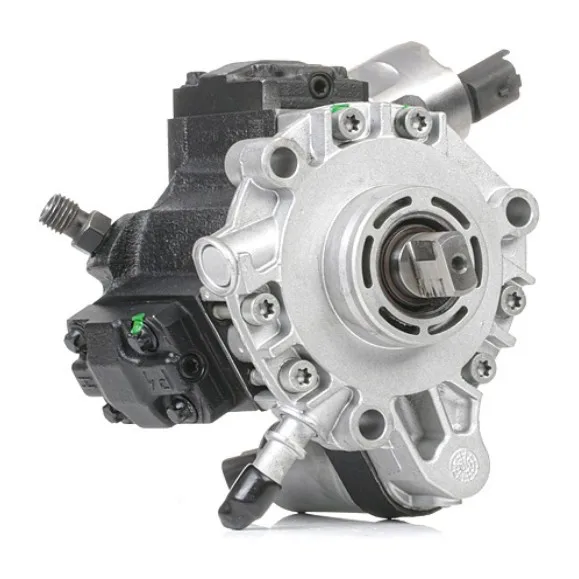
The 2.0 HDi 136 hp diesel engine, widely used in Peugeot models from the mid-2000s to early 2010s, requires a high-pressure pump to deliver fuel at pressures up to 2,000 bar for optimal combustion. This category includes exchange-standard pumps designed for direct replacement, ensuring compatibility with the engine’s fuel system and injection timing. Whether you are a professional mechanic or a DIY enthusiast, finding the right pump means matching the vehicle’s motorization, power output, and production year.
This range is built around three core references—Delphi R9424A050A, Siemens-VDO 5WS40163Z, and Siemens-VDO 5WS40019—each selected for their proven durability and alignment with OEM performance standards. The pumps are sourced from European remanufacturers, ensuring they undergo rigorous testing before being offered as exchange-standard units, reducing waste and cost for workshops and private owners alike.
Professional uses by trade
Different users approach the high-pressure pump for distinct reasons, whether to restore engine performance, comply with emissions regulations, or avoid the expense of a dealership repair. Professionals prioritize bulk availability and technical consistency, while private owners seek straightforward replacement solutions that restore drivability without unnecessary complexity.
- Le garagiste independant : Uses the high-pressure pump to restore fuel delivery precision in Peugeot 2.0 HDi 136 hp engines, ensuring consistent power output and compliance with emissions standards after diagnosis.
- L'automobiliste depanne : Replaces a failing high-pressure pump to eliminate hesitation, black smoke, or engine warning lights, often as part of a roadside repair to avoid towing costs.
- Le passionne qui fait lui-meme : Installs an exchange-standard high-pressure pump to revive a project car’s 2.0 HDi engine, leveraging remanufactured units for cost savings and environmental benefits.
- Der deutsche Kaeufer (DACH) : Orders a high-pressure pump for a Peugeot 2.0 HDi 136 hp to address fuel delivery issues, relying on bulk-packaged units for workshop efficiency and long-term reliability.
- Le garagiste independant : Stocks multiple high-pressure pumps to cover common Peugeot motorizations, reducing lead times and ensuring repairs stay within budget for fleet customers.
- L'automobiliste depanne : Chooses an exchange-standard pump to replace a faulty unit, avoiding the cost of a new OEM part while maintaining engine performance and fuel efficiency.
- Der deutsche Kaeufer (DACH) : Selects a remanufactured high-pressure pump to address a Peugeot 2.0 HDi engine’s fuel delivery problems, prioritizing compatibility and durability for long-term use.
Range comparison
The following table compares the three high-pressure pump references available for the Peugeot 2.0 HDi 136 hp, highlighting their compatibility, packaging, and intended use cases for professionals and private owners.
| Range | Use | Format |
|---|---|---|
| High-pressure pump DELPHI R9424A050A | Direct replacement for common failure scenarios | |
| High-pressure pump SIEMENS-VDO 5WS40163Z | High-mileage engines requiring consistent pressure | |
| High-pressure pump SIEMENS-VDO 5WS40019 | Engines with variable geometry turbochargers |
How to choose
Selecting the right high-pressure pump depends on factors like engine history, turbocharger type, and expected workload, with each reference offering distinct advantages for different repair scenarios.
- Conditioning: Bulk-packaged pumps reduce per-unit costs for workshops while ensuring freshness and traceability during storage.
- Conservation: Remanufactured units are treated to resist corrosion and maintain seal integrity, extending shelf life without compromising performance.
- Regularity: Consistent fuel pressure delivery is critical for diesel engines, making pump selection a key factor in long-term drivability and emissions compliance.
- Rotation: High-turnover workshops benefit from stocking multiple references to cover common Peugeot motorizations and avoid delays.
- Compatibility: Matching the pump to the engine’s motorization code and production year ensures seamless integration and avoids fitment issues.
- Durability: European remanufacturers apply stringent testing to ensure pumps meet OEM specifications, reducing the risk of premature failure.
- Availability: Bulk packaging allows professionals to maintain stock levels that align with repair volume, minimizing downtime for customers.
Storage & logistics
High-pressure pumps for the Peugeot 2.0 HDi 136 hp must be stored in a dry, temperature-controlled environment to prevent seal degradation and corrosion. Bulk boxes should remain sealed until use, with each unit inspected for damage or contamination before installation. For workshops, organizing stock by motorization code and reference simplifies retrieval and reduces the risk of misplacement. Private owners should store spare pumps in their original packaging, away from direct sunlight and moisture, to preserve their condition until needed.
Since 2026, our team has focused on sourcing high-pressure pumps that meet the exacting standards of European remanufacturers, ensuring every unit delivers the precision and reliability our customers demand for their Peugeot 2.0 HDi engines.— autoKUR team
Related categories
Browse our other ranges:
Useful references
For regulatory and sector references, see Reglement (UE) 461/2010 — pieces de rechange et garantie constructeur.