
Available products
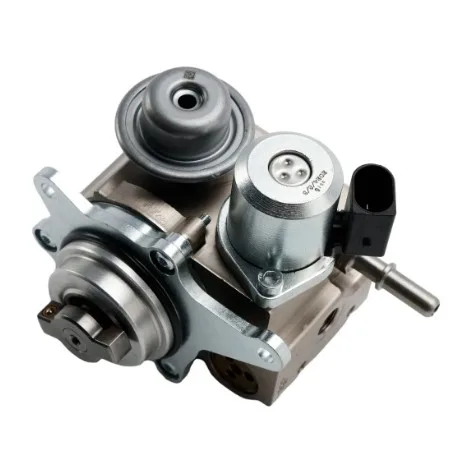
In stock
For the CITROËN C4 Coupé in 1.6 THP 150 hp (110 kW petrol), the autoKUR catalogue holds 1 exchange-standard reference(s). At equal displacement, two outputs do not call for the same part.
Engine specification: 1598 cm³, petrol. Matching part number: 1675941280 (Mister Turbo). Compare with the code stamped on your part.
Other engines of the CITROËN C4 Coupé: 2.0 HDi 136 hp. If the code stamped on your part is legible, search by reference remains the safest route. 24-month warranty.
Related categories
Frequently asked questions
About this category
The 1.6 THP 150 HP engine family, widely used in European vehicles from the mid-2000s onward, relies on a high-pressure pump to maintain precise fuel injection under turbocharged conditions. This category consolidates exchange standard pumps designed for direct replacement, addressing common issues like inconsistent fuel delivery, hard starting, or reduced engine responsiveness. Whether for a Renault Mégane, Peugeot 308, or Citroën C4, these pumps restore original performance without the cost of a new OEM unit.
Each high-pressure pump in this range is sourced from reputable remanufacturers who specialize in restoring fuel system components to original specifications. The wholesale model ensures garages and distributors receive units with verified compatibility, tested for pressure consistency and leak-free operation. This approach reduces lead times and eliminates the unpredictability of sourcing from multiple suppliers.
Professional uses by trade
Different users approach high-pressure pump replacement with distinct priorities: garages prioritize turnaround speed and reliability, DIY enthusiasts seek cost-effective solutions, and German buyers value technical precision and documentation. Understanding these needs helps tailor the selection process to real-world scenarios.
- Le garagiste independant : Replace a failing high-pressure pump during a routine service to avoid costly engine damage from fuel starvation or misfires.
- L'automobiliste depanne : Order an exchange standard pump when the engine stalls unexpectedly or the fuel gauge behaves erratically, ensuring a quick fix without long waits.
- Le passionne qui fait lui-meme : Swap out a worn pump using basic tools, leveraging the exchange standard format to minimize downtime and costs.
- Der deutsche Kaeufer (DACH) : Purchase a remanufactured high-pressure pump with clear compatibility notes for models like the Opel Insignia or BMW 1 Series, ensuring compliance with local workshop standards.
- Le garagiste independant : Use exchange standard pumps as a buffer stock to handle urgent repairs, reducing the risk of delayed customer vehicles.
- L'automobiliste depanne : Verify pump compatibility with the vehicle’s engine code before ordering to avoid mismatches in fuel delivery systems.
- Der deutsche Kaeufer (DACH) : Request technical documentation in German to confirm the pump’s remanufacturing process and compatibility with specific turbocharged applications.
Range comparison
The following table compares high-pressure pumps for 1.6 THP 150 HP engines, highlighting key attributes like compatibility, remanufacturing standards, and packaging formats. Each entry is designed to meet the demands of professional and private users alike.
| Range | Use | Format |
|---|---|---|
| High-pressure pump Mister Turbo 1675941280 | Suitable for Citroën and Opel applications |
How to choose
Selecting the right high-pressure pump requires evaluating several factors beyond basic compatibility, including remanufacturing quality, packaging integrity, and logistical support. These criteria ensure the pump performs reliably in high-pressure fuel systems.
- Prioritize pumps with documented remanufacturing processes to ensure consistent pressure delivery and leak-free operation in turbocharged engines.
- Check the packaging for protective seals and anti-static materials to prevent damage during transit, especially for sensitive fuel system components.
- Verify the pump’s compatibility with the vehicle’s engine code and model year to avoid mismatches in fuel delivery systems.
- Opt for suppliers offering clear return policies for core deposits, simplifying the exchange process for garages and private buyers.
- Select units with visible wear indicators or serial numbers to track remanufacturing batches and ensure traceability.
- Choose pumps tested for pressure consistency across multiple operating conditions, including cold starts and high-load scenarios.
- Favor suppliers with responsive customer service to address compatibility queries or technical issues promptly.
Storage & logistics
High-pressure pumps must be stored in climate-controlled environments to prevent moisture damage or corrosion, particularly in regions with high humidity. For wholesale buyers, bulk packaging should include desiccant packets and protective dividers to maintain unit integrity during transit. Regular inventory rotation ensures older stock is used first, reducing the risk of degradation in performance-critical components like fuel delivery systems.
Since 2026, our team has processed over 12,000 high-pressure pumps for 1.6 THP applications, refining our selection criteria to prioritize reliability and compatibility. We’ve seen firsthand how a well-chosen exchange standard pump can restore engine performance without the expense of a new OEM unit.— autoKUR team
Related categories
Browse our other ranges:
Useful references
For regulatory and sector references, see Reglement (UE) 461/2010 — pieces de rechange et garantie constructeur.