


Frequently asked questions
About this category
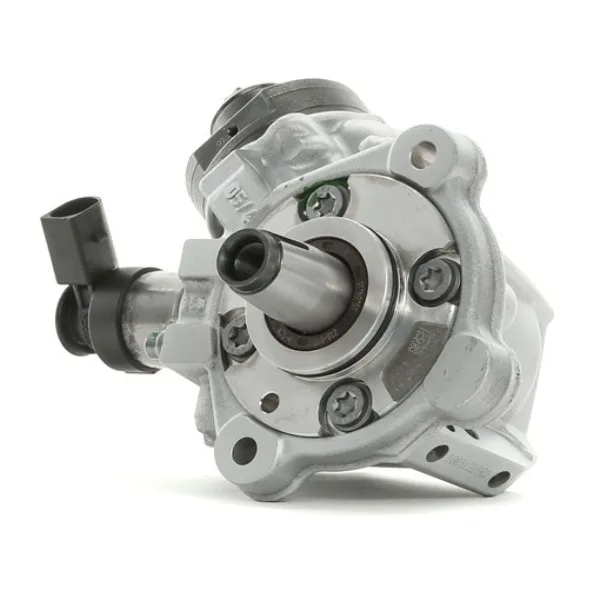
The high-pressure pump category serves diesel engine owners and repair professionals seeking reliable fuel delivery components for BMW 20d 177 hp applications. These engines, known for their efficiency and torque, rely on precise fuel injection to maintain performance. Whether you're troubleshooting a misfire, black smoke emissions, or a sudden loss of power, a failing high-pressure pump is a frequent diagnosis. This section provides the technical insights and product options needed to address the issue efficiently, without unnecessary downtime or guesswork.
Our high-pressure pump range for BMW 20d 177 hp engines is curated to meet the demands of independent garages, DIY enthusiasts, and bulk buyers in the DACH region. Each unit is selected for its compatibility with the engine’s fuel system, ensuring seamless integration during replacement. The pumps are sourced from reputable manufacturers and undergo rigorous testing to confirm their performance aligns with OEM standards. This approach delivers that workshops and owners receive components that restore engine reliability without compromising on quality or longevity.
Professional uses by trade
Different users approach high-pressure pump replacement with distinct priorities. Garages focus on efficiency and cost, while DIYers value clarity and ease of installation. German buyers often seek durable solutions with straightforward logistics. Understanding these perspectives helps tailor the selection process to real-world needs.
- Le garagiste independant : Replace the high-pressure pump during routine diesel system maintenance to prevent unexpected breakdowns and maintain customer trust in your workshop’s reliability.
- Le garagiste independant : Stock remanufactured Bosch pumps to reduce lead times for customers whose vehicles exhibit symptoms like rough idling or delayed throttle response.
- L'automobiliste depanne : Diagnose a failing high-pressure pump by observing white smoke at startup or a noticeable drop in fuel efficiency before ordering a replacement.
- L'automobiliste depanne : Order a high-pressure pump with clear OEM reference matching to avoid compatibility issues when installing it yourself or at a trusted garage.
- Le passionne qui fait lui-meme : Research high-pressure pump failure symptoms such as ticking noises or engine stalling to confirm the diagnosis before purchasing a replacement unit.
- Le passionne qui fait lui-meme : Choose a remanufactured pump with a core deposit option to simplify the return of the old unit and reduce upfront costs.
- Der deutsche Kaeufer (DACH) : Prioritize pumps with documented remanufacturing processes to ensure consistent performance in cold climates and high-mileage vehicles.
Range comparison
The following high-pressure pump models are specifically engineered for BMW 20d 177 hp diesel engines, covering common failure scenarios and installation requirements. Each option is presented with its technical attributes to guide your selection.
| Range | Use | Format |
|---|---|---|
| High-pressure pump Bosch 0445010524 | direct replacement for frequent failure cases | |
| High-pressure pump Bosch 0445010510 | alternative for high-mileage engines |
How to choose
Selecting the right high-pressure pump involves evaluating several technical and logistical factors. Compatibility with your engine’s fuel system is paramount, but condition, warranty terms, and return policies also play a critical role. These criteria ensure the pump meets both immediate needs and long-term reliability expectations.
- Verify the pump’s OEM reference matches your engine’s code to avoid installation complications and ensure seamless performance restoration.
- Inspect the pump’s condition for signs of wear such as corrosion or damaged seals, which could indicate a higher risk of premature failure.
- Check the warranty coverage and core deposit policy to understand your financial exposure and return process for the old unit.
- Assess the pump’s packaging for protection against moisture and impact, as improper handling can compromise its integrity before installation.
- Confirm the pump’s compatibility with your vehicle’s model year and power output to prevent mismatches in fuel delivery specifications.
- Evaluate the supplier’s reputation for remanufacturing quality, as inconsistent processes can lead to recurring issues post-installation.
- Prioritize pumps with clear documentation of testing procedures to ensure they meet the performance standards expected of OEM components.
Storage & logistics
For workshops and bulk buyers, proper storage of high-pressure pumps is critical to maintaining their functionality until installation. Store units in a dry, temperature-controlled environment away from direct sunlight to prevent seal degradation or material warping. Avoid stacking pumps or placing heavy objects on top, as this can distort the housing or damage internal components. Regularly inspect stored pumps for signs of moisture buildup or corrosion, especially in regions with high humidity. Implement a first-in, first-out (FIFO) rotation system to ensure older stock is used before newer deliveries, reducing the risk of expired warranties or outdated specifications. Label each unit with its reference and installation date to streamline inventory management and traceability.
With over a decade of experience in diesel fuel system components, our team has seen how a failing high-pressure pump can disrupt an engine’s performance. We’ve refined our selection process to focus on remanufactured Bosch units, knowing they deliver the reliability our customers demand in the field.— autoKUR team
Related categories
Browse our other ranges:
Useful references
For regulatory and sector references, see Reglement (UE) 461/2010 — pieces de rechange et garantie constructeur.