

Available products
2 references

Frequently asked questions
About this category
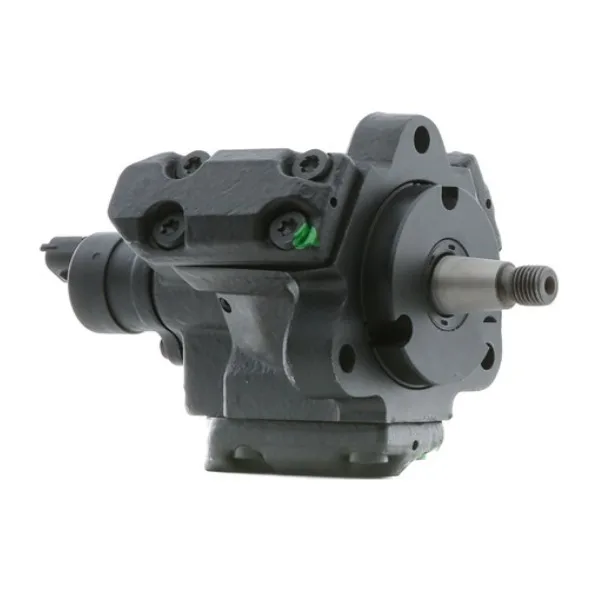
The high pressure pump is the heart of the common-rail diesel system in your BMW 525d 163 hp, a component that converts mechanical energy into precise fuel delivery under extreme pressure. Designed to operate in sync with the engine’s combustion cycle, it ensures each cylinder receives the exact amount of fuel needed for efficient power output and clean emissions. This category serves independent mechanics, DIY enthusiasts, and professional workshops who require a reliable replacement that restores the vehicle’s original performance without compromising on quality or compatibility.
Our range of high pressure pumps for the BMW 525d 163 hp is curated from leading manufacturers, each unit selected for its engineering precision and durability in real-world conditions. These pumps are not generic off-the-shelf parts; they are engineered to meet the exacting tolerances of the vehicle’s fuel system, ensuring seamless integration and long-term reliability. By partnering with trusted suppliers, we provide access to components that maintain the engine’s balance between power, efficiency, and emissions compliance, all while simplifying the procurement process for professionals.
Professional uses by trade
The high pressure pump’s role spans multiple repair scenarios, from emergency breakdowns to routine maintenance and performance upgrades. Whether you’re addressing a sudden loss of power, diagnosing a misfire, or preparing for a long-distance haul, this component’s condition directly influences the engine’s behavior. Professionals and enthusiasts alike rely on it to keep the vehicle running smoothly under varying loads and conditions.
- Le garagiste independant : Replace a failing pump to resolve rough idling and power loss in a customer’s 525d, restoring drivability without invasive diagnostics.
- Le garagiste independant : Stock a spare pump for common-rail systems to minimize vehicle downtime during peak service periods, ensuring quick turnaround for repairs.
- L'automobiliste depanne : Diagnose a sudden drop in fuel efficiency or black smoke from the exhaust by testing the pump’s pressure output before committing to a repair.
- L'automobiliste depanne : Source a replacement pump online to avoid costly towing fees, leveraging compatibility data to ensure the correct fit for the vehicle’s engine code.
- Le passionne qui fait lui-meme : Swap out a worn pump during a weekend project, using the vehicle’s service manual to guide the installation and avoid common pitfalls.
- Le passionne qui fait lui-meme : Upgrade to a higher-flow pump for improved performance in modified engines, provided the system’s pressure limits are respected.
- Der deutsche Kaeufer (DACH) : Order a pump with a core deposit system to reduce upfront costs, returning the old unit for recycling while ensuring environmental compliance.
Range comparison
Below, you’ll find the high pressure pumps available for your BMW 525d 163 hp, each listed with its OEM reference and key attributes to simplify your selection. These units are sourced to match the engine’s exact specifications, ensuring compatibility and reliability in every application.
| Range | Use | Format |
|---|---|---|
| High-pressure pump Bosch 0445010073 | direct replacement for stock performance | |
| High-pressure pump Bosch 0445010009 | high-flow option for tuned engines |
How to choose
Selecting the right high pressure pump involves more than matching the OEM reference; it requires evaluating the unit’s condition, compatibility, and long-term reliability. Professionals prioritize pumps that have been remanufactured to original specifications, ensuring consistent performance and extended service life.
- Verify the pump’s compatibility with your vehicle’s engine code and model year to avoid mismatches that could lead to system failure or reduced efficiency.
- Inspect the unit for signs of wear or corrosion, prioritizing remanufactured pumps that have undergone rigorous testing to restore factory tolerances.
- Consider the pump’s pressure rating and flow capacity, ensuring it aligns with the engine’s demands, especially in modified or high-performance applications.
- Check the packaging and documentation for evidence of professional remanufacturing, as this often includes pressure testing and seal integrity checks.
- Evaluate the supplier’s return policy and core deposit options, which can reduce costs and streamline the replacement process for bulk orders.
- Assess the pump’s warranty terms, prioritizing units backed by delivers that cover defects and premature failure within a reasonable timeframe.
- Review the pump’s compatibility with your vehicle’s fuel system, including injector types and rail pressure specifications, to ensure seamless integration.
Storage & logistics
Storing high pressure pumps requires careful handling to preserve their precision and prevent contamination. Keep units in their original packaging or a sealed, climate-controlled environment to protect against moisture, dust, and temperature fluctuations. For workshops, designate a dedicated storage area away from direct sunlight and sources of vibration, using labeled bins to organize pumps by vehicle model and engine code. Before installation, inspect the pump for any signs of damage or foreign particles, and ensure the mounting surface is clean and free of debris. When handling, avoid dropping or jarring the unit, as internal components like the camshaft and plunger can be sensitive to impact. For bulk orders, rotate stock based on expiration dates or shelf life, prioritizing units with the earliest manufacturing dates to maintain freshness. Always use gloves when handling pumps to prevent skin oils from contaminating sealing surfaces, and store them in an upright position to avoid stress on internal seals.
We’ve seen too many pumps fail prematurely because they were treated as disposable parts rather than precision-engineered components. Our approach ensures each unit meets the same standards as the original, so you’re not just replacing a part—you’re restoring the engine’s balance and reliability.— autoKUR team
Related categories
Browse our other ranges:
Useful references
For regulatory and sector references, see Reglement (UE) 461/2010 — pieces de rechange et garantie constructeur.