
Available products
In stock
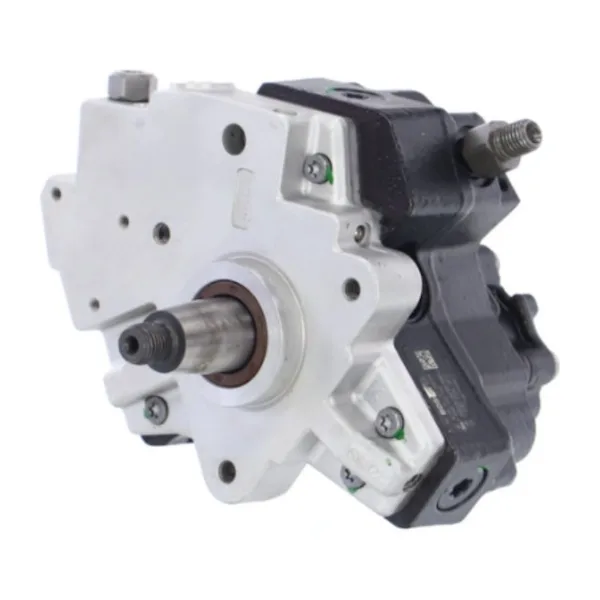
For the AUDI Q7 (4L) in 4.2 TDI Quattro 326 hp (240 kW diesel), the autoKUR catalogue holds 1 exchange-standard reference(s). At equal displacement, two outputs do not call for the same part.
Engine specification: 4134 cm³, diesel, built from 2007 to 2009. Matching part number: 0445010119 (Bosch). Compare with the code stamped on your part.
Other engines of the AUDI Q7 (4L): 6.0 TDI Quattro 500 hp, 3.0 TDI Quattro 240 hp, 3.0 TDI Quattro 233 hp. If the code stamped on your part is legible, search by reference remains the safest route. 24-month warranty.
Related categories
Frequently asked questions
About this category
The 4.2 TDI Quattro 326 hp category specializes in high-pressure pumps designed for Audi’s powerful diesel engines, a segment where reliability and precision are critical. Whether you’re a professional mechanic, a car owner tackling repairs yourself, or a German buyer prioritizing durability, this range provides exchange standard solutions that match original equipment performance. Each pump is remanufactured to restore factory-level efficiency, addressing common failure symptoms like power loss, excessive smoke, or erratic idling.
This range is built around the Bosch 0445010119 pump, a benchmark in diesel injection systems, sourced from suppliers with proven remanufacturing processes. The selection process prioritizes compatibility with the 4.2 TDI Quattro 326 hp’s motorization, ensuring seamless integration for both workshops and private users. The grossist role streamlines procurement, offering bulk availability without compromising on quality or traceability.
Professional uses by trade
Different users approach high-pressure pump replacement with distinct priorities: garages need speed and reliability, DIY enthusiasts seek cost-effective solutions, and German buyers value long-term durability. Below, we outline how each group leverages these pumps to resolve engine issues efficiently.
- Le garagiste independant : Replaces a failing pump in under two hours to minimize vehicle downtime and maintain workshop productivity.
- L'automobiliste depanne : Orders an exchange standard pump to avoid costly dealership repairs while restoring their Audi’s performance quickly.
- Le passionne qui fait lui-meme : Sources a remanufactured pump to complete the repair independently, using clear OEM reference guides.
- Der deutsche Kaeufer (DACH) : Prioritizes pumps with documented remanufacturing standards to ensure longevity in high-mileage engines.
- Le garagiste independant : Stocks multiple pumps to handle urgent repairs without waiting for OEM deliveries during peak seasons.
- L'automobiliste depanne : Chooses a pump with a consignment deposit system to reduce upfront costs while ensuring a smooth return process.
- Der deutsche Kaeufer (DACH) : Selects pumps compatible with local workshop practices, avoiding compatibility issues in mixed fleets.
Range comparison
The following table compares the available high-pressure pumps for the 4.2 TDI Quattro 326 hp, highlighting their key attributes for informed decision-making. Each option is tailored to specific repair scenarios and user needs.
| Range | Use | Format |
|---|---|---|
| High-pressure pump Bosch 0445010119 | Consignment deposit for cost efficiency |
How to choose
Selecting the right high-pressure pump involves evaluating several factors beyond the OEM reference. Compatibility, remanufacturing quality, and logistical support are critical to ensuring a successful repair. Below, we detail the key criteria professionals and private users should consider.
- Verify the pump’s compatibility with your Audi’s motorization by cross-referencing the engine code and model year to avoid mismatches.
- Prioritize pumps from suppliers with documented remanufacturing processes to ensure consistent performance and longevity.
- Assess the packaging and handling requirements, especially for bulk orders, to prevent damage during transit or storage.
- Check the consignment deposit terms if you prefer to defer payment until the old pump is returned, reducing upfront costs.
- Evaluate the supplier’s return policy and core deposit system to streamline the exchange process and avoid delays.
- Confirm the pump’s condition upon arrival, including seals and connectors, to ensure it meets workshop standards before installation.
- For DIY users, choose a pump with clear installation instructions and OEM reference guides to simplify the repair process.
Storage & logistics
Storing high-pressure pumps requires controlled conditions to maintain their integrity until installation. Keep units in a dry, temperature-stable environment away from direct sunlight and contaminants like dust or oil residues. For bulk orders, use sealed containers or original packaging to prevent moisture ingress or physical damage. Rotate stock regularly to ensure older units are used first, reducing the risk of degradation over time. Garages should implement a first-in, first-out system to track inventory and avoid obsolescence, while private users can store pumps in a clean, secure space until needed.
With over a decade of experience in diesel injection systems, our team has seen how a single high-pressure pump failure can disrupt an entire workshop schedule. We source these pumps from remanufacturers who treat each unit as if it were new, ensuring our customers receive parts that perform like OEM components without the premium price.— autoKUR team
Related categories
Browse our other ranges:
- 6.0 TDI Quattro 500 hp
- 3.0 TDI Quattro 240 hp
- 3.0 TDI Quattro 233 hp
- 3.0 TDI Quattro 224 hp
- 3.0 TDI Quattro 211 hp
Useful references
For regulatory and sector references, see Reglement (UE) 461/2010 — pieces de rechange et garantie constructeur.