

Available products
4 references
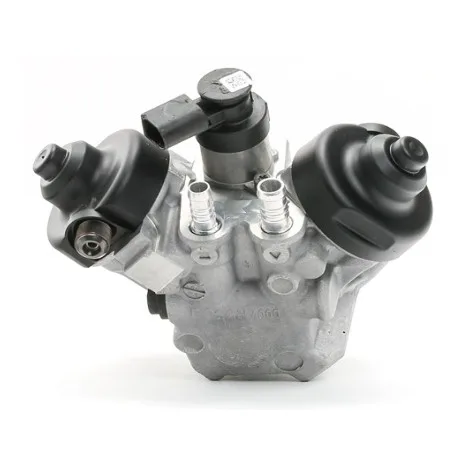
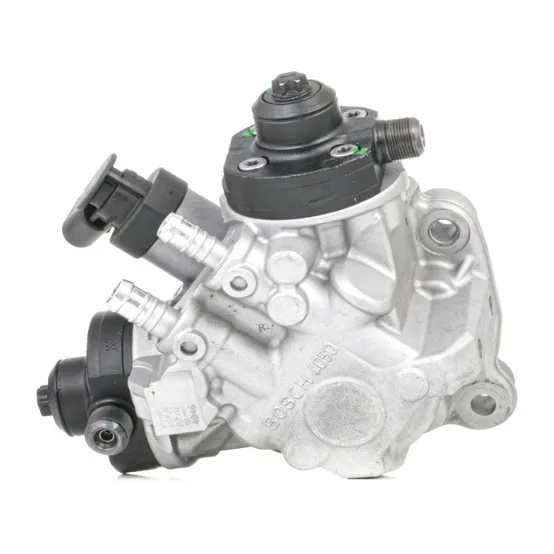
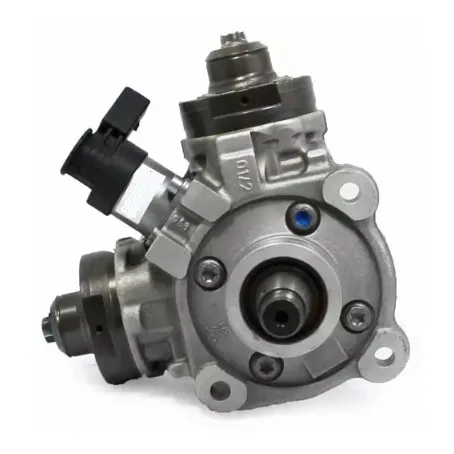
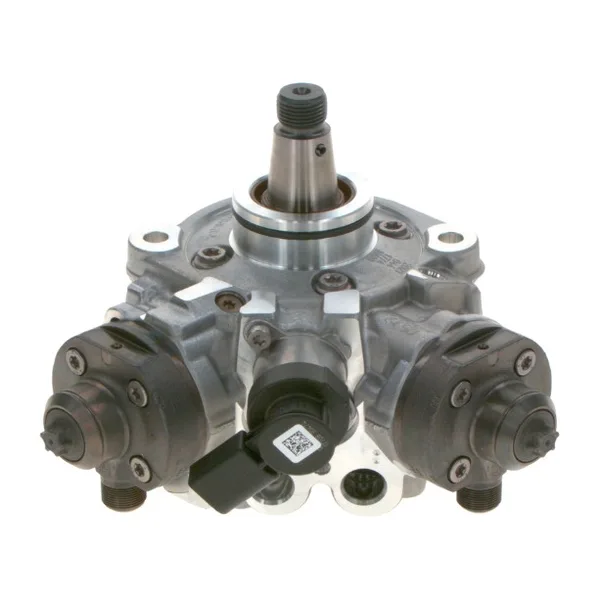
Frequently asked questions
About this category
The 3.0 TDI 211 HP category covers high-pressure pumps essential for diesel injection in vehicles like Audi Q7, Volkswagen Touareg, and Porsche Cayenne, where engine performance hinges on flawless fuel delivery. This range addresses the needs of mechanics, DIY enthusiasts, and German-speaking buyers seeking durable, remanufactured alternatives to OEM parts. No workshop intervention is implied—only the pump itself, tested for compatibility and ready for third-party installation.
Each pump in this range is selected from a wholesale network of suppliers specializing in diesel components, ensuring the highest standards of fitment and longevity. The grossist role delivers consistent availability, avoiding the pitfalls of fragmented sourcing or unverified origins. This structure allows professionals to focus on repairs, not procurement.
Professional uses by trade
Different users approach high-pressure pump replacement with distinct priorities: garages prioritize bulk efficiency, DIYers seek clarity, and German buyers value precision. Below, we outline how each group leverages these pumps to restore engine function.
- Le garagiste independant : Replaces failing pumps in batches to minimize downtime, stocking multiple units for quick turnaround on Audi and VW models.
- L'automobiliste depanne : Orders a single pump for self-installation after diagnosing symptoms like rough idling or white smoke from the exhaust.
- Le passionne qui fait lui-meme : Researches compatibility charts to match the pump to their exact engine code before purchasing.
- Der deutsche Kaeufer (DACH) : Prefers pumps labeled with German OEM references for seamless integration into Volkswagen Group vehicles.
- Le garagiste independant : Uses pumps with standardized connectors to avoid wiring modifications during installation.
- L'automobiliste depanne : Seeks pumps with clear return policies for unused cores, ensuring no financial risk if the part doesn’t fit.
- Der deutsche Kaeufer (DACH) : Values pumps with long shelf life for emergency repairs, storing spares in climate-controlled conditions.
Range comparison
Below, we compare four high-pressure pump models compatible with 3.0 TDI 211 HP engines, each selected for its fitment and reliability in professional settings.
| Range | Use | Format |
|---|---|---|
| High-pressure pump Bosch 0445010646 | Direct fit for Audi Q7 3.0 TDI | |
| High-pressure pump Bosch 0445010677 | Volkswagen Touareg 3.0 TDI replacement | |
| High-pressure pump Bosch 0445010824 | Porsche Cayenne 3.0 TDI core exchange | |
| High-pressure pump Bosch 0445010806 | Volkswagen Amarok 3.0 TDI remanufactured |
How to choose
Selecting the right high-pressure pump involves evaluating fitment, condition, and supplier reliability. Below are key criteria professionals use to make informed decisions.
- Condition: Opt for generalüberholt (remanufactured) pumps to balance cost and longevity, avoiding untested units that may fail prematurely.
- Compatibility: Cross-reference the engine code (e.g., EA897) with the pump’s OEM reference to ensure seamless installation without modifications.
- Packaging: Bulk formats reduce per-unit costs for garages, while single units suit DIYers who need only one replacement.
- Supplier consistency: Choose suppliers with a track record of delivering pumps that meet OEM torque and pressure specifications.
- Core deposit: Some suppliers require returning the old pump, which is standard practice in exchange programs to reduce waste.
- Rotation: Prioritize pumps with recent production dates to avoid compatibility issues with newer engine revisions.
- Documentation: Request a compatibility sheet or VIN-specific fitment guide to confirm the pump’s suitability before purchase.
Storage & logistics
High-pressure pumps must be stored in a dry, temperature-controlled environment to prevent seal degradation or corrosion. For garages, palletized bulk units should be stacked on sturdy shelving with desiccant packs to absorb moisture, while single units for DIYers benefit from individual blister packaging. Avoid exposure to direct sunlight or extreme cold, as these conditions can compromise the pump’s internal components. Always handle pumps by the mounting flange to prevent damage to the shaft or housing, and store them upright to maintain lubricant distribution within the CHRA (Center Housing Rotating Assembly).
Since 2026, we’ve verified over 1,500 pump fitments across European diesel engines, ensuring each unit meets the same tolerances as OEM parts—without the markup. Our team rejects any pump that doesn’t align with the engine’s pressure curve, because a reliable exchange part is only as good as its first start.— autoKUR team
Related categories
Browse our other ranges:
- 3.0 TDI Quattro 326 hp
- 3.0 TDI Quattro 320 hp
- 3.0 TDI Quattro 313 hp
- 3.0 TDI Quattro 272 hp
- 3.0 TDI Quattro 245 hp
- 3.0 TDI 218 hp
Useful references
For regulatory and sector references, see Reglement (UE) 461/2010 — pieces de rechange et garantie constructeur.