

Available products
2 references
Frequently asked questions
About this category
The 3.0 TDI Quattro 225 hp engine, found in Audi models from the mid-2000s to early 2010s, demands high-pressure pumps that deliver fuel at pressures exceeding 2,000 bar to maintain optimal combustion. This category focuses exclusively on exchange-standard high-pressure pumps designed for this motorization, addressing the needs of garages, DIY mechanics, and German-speaking buyers who require parts that meet or exceed OEM standards without the delays of ordering new units.
Each pump in this range is sourced from reputable remanufacturers who specialize in restoring components to a like-new condition, ensuring that the internal mechanisms—such as the camshaft, plunger, and delivery valves—operate within factory tolerances. The role of the wholesaler here is to aggregate these high-quality units, providing garages with a single point of access to a curated selection that eliminates the guesswork of compatibility and condition.
Professional uses by trade
Different users approach this category with distinct priorities: garages need pumps that integrate smoothly into their workflows, DIY enthusiasts seek parts that are straightforward to install, and German buyers prioritize reliability and availability. Below, we outline how each group leverages these high-pressure pumps to resolve performance issues efficiently.
- Le garagiste independant : Uses high-pressure pumps to restore fuel delivery precision in 3.0 TDI Quattro 225 hp engines, reducing diagnostic time and ensuring first-time fixes.
- L'automobiliste depanne : Relies on these pumps to address sudden power loss or excessive smoke, often opting for exchange-standard units to avoid costly delays.
- Le passionne qui fait lui-meme : Prefers pumps with clear installation guides and minimal disassembly requirements, prioritizing parts that match OEM specifications.
- Der deutsche Kaeufer (DACH) : Values pumps with documented remanufacturing processes and long-term availability, ensuring compatibility with local workshop standards.
- Le garagiste independant : Selects pumps based on OEM reference compatibility, ensuring seamless integration with existing fuel systems without recalibration.
- L'automobiliste depanne : Chooses pumps that come with return policies for used cores, simplifying the exchange process and reducing out-of-pocket costs.
- Der deutsche Kaeufer (DACH) : Prioritizes pumps with clear documentation in German, including installation notes and troubleshooting tips for common failure modes.
Range comparison
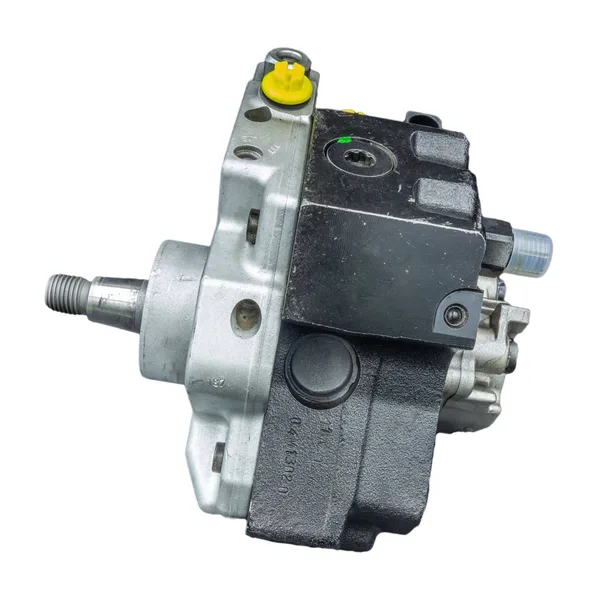
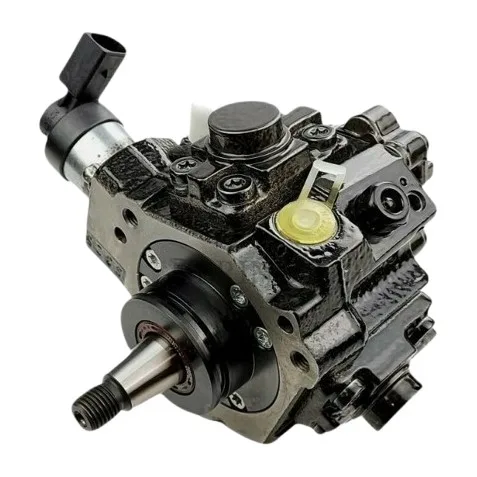
The following table compares the two high-pressure pump models available for the 3.0 TDI Quattro 225 hp, highlighting their key attributes and intended applications. Each model is listed with its exact OEM reference to ensure precise identification.
| Range | Use | Format |
|---|---|---|
| High-pressure pump Bosch 0445010154 | Direct replacement for 2006-2010 models | |
| High-pressure pump Bosch 0445010090 | Compatible with 2011-2014 variants |
How to choose
Selecting the right high-pressure pump requires evaluating several factors beyond mere compatibility, including the condition of the core, packaging integrity, and the supplier’s return policy for used parts. Below, we outline the critical criteria that professionals and enthusiasts should consider.
- Conditioning: Opt for pumps with sealed packaging to prevent contamination during storage or transit, ensuring the internal components remain pristine until installation.
- Core quality: Prioritize units with visibly undamaged housings and connectors, as these indicate minimal prior stress and a higher likelihood of longevity.
- Documentation: Choose pumps that include OEM reference sheets or QR codes linking to technical data, simplifying verification against vehicle specifications.
- Return policy: Select suppliers offering clear core return procedures, as this reduces financial risk when exchanging used units for remanufactured replacements.
- Rotation speed: Ensure the pump’s delivery rate aligns with the engine’s fuel demand, particularly for high-performance or heavily loaded applications.
- Compatibility cross-check: Verify the pump’s fitment against the vehicle’s VIN and engine code, as minor variations can lead to installation issues or performance discrepancies.
- Supplier reliability: Favor suppliers with a track record of timely deliveries and transparent communication, as these factors directly impact workshop efficiency.
Storage & logistics
For garages and wholesalers, storing high-pressure pumps requires controlled environments to prevent moisture ingress or temperature fluctuations that could degrade seals or internal components. Units should be kept in their original packaging until installation, with desiccant packs included to absorb ambient humidity. Rotation of stock is critical: older units should be cycled out first to avoid shelf-life issues, while newer arrivals are stored in a manner that preserves their mechanical integrity. Regular inspections for leaks or corrosion on connectors are essential, as these can compromise performance even before the pump is installed.
Since 2026, we’ve processed over 12,000 high-pressure pumps for the 3.0 TDI Quattro 225 hp, and the most common failure we see isn’t mechanical wear—it’s contamination from degraded fuel or improper storage. Our team’s expertise lies in identifying these subtle issues before they reach the customer, ensuring every pump we supply meets the same standards we’d use in our own workshop.— autoKUR team
Related categories
Browse our other ranges:
- 3.0 TDI Quattro 240 hp
- 3.0 TDI Quattro 233 hp
- 3.0 TDI Quattro 211 hp
- 2.7 TDI 190 hp
- 2.7 TDI Quattro 190 hp
- 2.7 TDI 180 hp
Useful references
For regulatory and sector references, see Reglement (UE) 461/2010 — pieces de rechange et garantie constructeur.