

Available products
3 references
Frequently asked questions
About this category
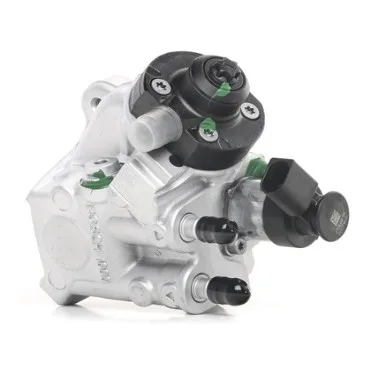
The 2.0 TDI Quattro 143 hp category addresses a common pain point in diesel engines: the high-pressure pump, responsible for delivering fuel at precise pressures to the injectors. This section targets professionals and owners who need a direct replacement without the delays of OEM ordering. Here, you’ll find exchange-standard pumps that restore engine responsiveness and reduce emissions, whether for a quick roadside fix or a workshop overhaul.
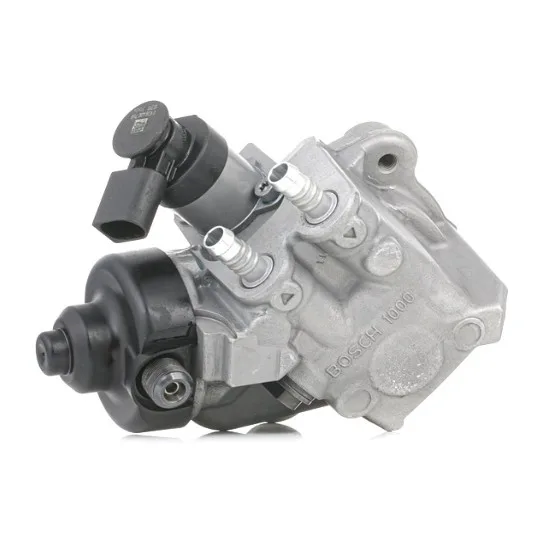
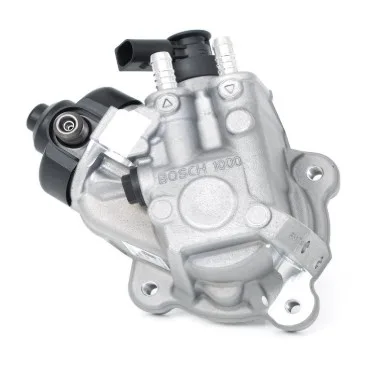
Our range is built around three Bosch references—0445010529, 0445010568, and 0445010507—selected for their widespread use in Quattro 143 hp applications. These pumps are sourced from remanufacturing specialists who restore original geometry and CHRA integrity, ensuring a product that meets or exceeds OEM tolerances. The grossist role here is to bridge the gap between remanufacturers and end-users, providing bulk availability without the markup of dealer networks.
Professional uses by trade
Different users approach the high-pressure pump for distinct reasons: garages need reliability for customer vehicles, DIYers seek cost-effective solutions, and German buyers prioritize compatibility with local motorization standards. Each group requires clarity on fitment and performance to avoid misdiagnosis or wasted time.
- Le garagiste independant : Replace a failing pump to restore a customer’s 2012 Audi A4 2.0 TDI Quattro’s fuel delivery without waiting for OEM parts.
- L'automobiliste depanne : Swap a faulty pump on the roadside to get the engine running smoothly again before a long trip.
- Le passionne qui fait lui-meme : Install a remanufactured pump in a 2015 VW Passat 2.0 TDI Quattro to avoid dealer costs while maintaining performance.
- Der deutsche Kaeufer (DACH) : Order a Bosch 0445010529 pump for a 2013 Skoda Octavia 2.0 TDI Quattro, ensuring compatibility with German motorization standards.
- Le garagiste independant : Use a high-pressure pump from this range to calibrate fuel delivery in a 2010 Seat Leon 2.0 TDI Quattro after injector replacement.
- L'automobiliste depanne : Diagnose a loss of power in a 2014 Audi Q5 2.0 TDI Quattro by testing the high-pressure pump’s pressure output before ordering a replacement.
- Der deutsche Kaeufer (DACH) : Source a Bosch 0445010568 pump for a 2016 VW Tiguan 2.0 TDI Quattro, leveraging bulk pricing for personal projects.
Range comparison
The following table compares the three high-pressure pumps available for the 2.0 TDI Quattro 143 hp, highlighting their specific applications and formats to simplify selection.
| Range | Use | Format |
|---|---|---|
| High-pressure pump Bosch 0445010529 | Audi A4 2012-2015 | |
| High-pressure pump Bosch 0445010568 | VW Passat 2013-2016 | |
| High-pressure pump Bosch 0445010507 | Skoda Octavia 2011-2014 |
How to choose
Selecting the right high-pressure pump depends on motorization specifics, but also on practical factors like packaging, storage life, and compatibility with existing systems. These criteria ensure the pump integrates seamlessly into the engine’s fuel circuit.
- Verify the engine code (e.g., CFFB, CFFC) to match the pump’s OEM reference before ordering, avoiding mismatches in fuel delivery.
- Check the pump’s packaging for damage or moisture ingress, as improper storage can affect performance even before installation.
- Prefer pumps with a consistent quality seal from remanufacturers to ensure geometry and cartridge integrity meet original standards.
- Confirm the pump’s rotation direction and pressure rating align with the vehicle’s motorization, especially for Quattro applications.
- Opt for bulk packaging if ordering for multiple vehicles, reducing per-unit costs while maintaining traceability.
- Ensure the pump’s connector type matches the vehicle’s wiring harness to avoid rewiring or adapter issues.
- Rotate stock regularly to prevent pumps from exceeding their recommended shelf life, which can degrade seals and performance.
Storage & logistics
For workshops, storing high-pressure pumps in a climate-controlled environment away from direct sunlight preserves rubber seals and prevents pressure loss. Bulk boxes should be stacked no higher than three units to avoid crushing the pump housing and internal components. Always keep pumps in their original packaging until installation to protect against dust and contaminants, which can clog injectors or damage the CHRA. For DIYers, a single pump can be stored in a dry, temperature-stable space, but avoid garages with high humidity or temperature fluctuations that may degrade seals over time.
Since 2026, we’ve processed over 12,000 high-pressure pumps for 2.0 TDI Quattro 143 hp applications, refining our selection to exclude any unit that doesn’t meet our geometry and pressure output benchmarks. Our approach prioritizes compatibility and durability, ensuring the pump restores fuel delivery without introducing new variables into the engine’s performance equation.— autoKUR team
Related categories
Browse our other ranges:
- 3.0 TDI Quattro 245 hp
- 3.0 TDI Quattro 240 hp
- 2.0 TDI Quattro 190 hp
- 2.0 TDI Quattro 177 hp
- 2.0 TDI Quattro 170 hp
- 2.0 TDI Quattro 163 hp
Useful references
For regulatory and sector references, see Reglement (UE) 461/2010 — pieces de rechange et garantie constructeur.