

Available products
2 references
Frequently asked questions
About this category
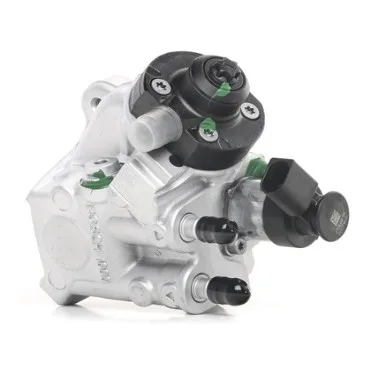
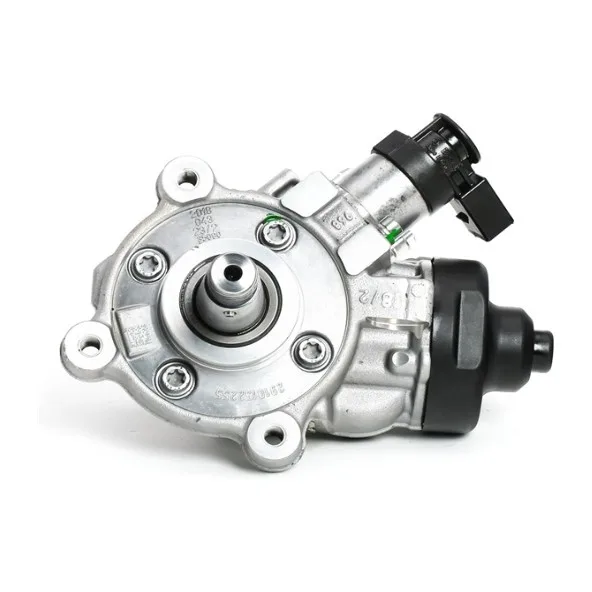
The 2.0 TDI Quattro 184 hp category addresses a common failure point in Audi’s diesel engines: the high-pressure pump. This component, essential for fuel injection precision, is prone to wear over time, leading to symptoms like reduced power, excessive smoke, or rough idling. Whether you’re a mechanic diagnosing an issue or a driver seeking a reliable replacement, this range provides the right solution for remanufactured pumps that meet OEM standards without the premium price.
This range is built for professionals and enthusiasts who prioritize efficiency and cost-effectiveness. As a wholesale supplier, we focus on sourcing high-pressure pumps that have undergone rigorous remanufacturing processes, ensuring they meet the demands of the 2.0 TDI Quattro 184 hp engine. Our network of suppliers delivers availability, while our expertise ensures compatibility across model years and configurations.
Professional uses by trade
Different users approach the high-pressure pump for the 2.0 TDI Quattro 184 hp in distinct ways. Mechanics integrate it into repair workflows, drivers replace it during breakdowns, and enthusiasts upgrade systems for better performance. Each use case requires a pump that aligns with the engine’s specifications and the user’s technical needs.
- Le garagiste independant : Replaces a failing high-pressure pump in a 2012 Audi A4 2.0 TDI Quattro 184 hp to restore factory power output and fuel efficiency without overhauling the entire injection system.
- L'automobiliste depanne : Orders a remanufactured high-pressure pump for a 2015 Audi Q5 2.0 TDI Quattro 184 hp after noticing white smoke and a noticeable drop in acceleration.
- Le passionne qui fait lui-meme : Installs a Bosch high-pressure pump in a 2010 Audi A6 2.0 TDI Quattro 184 hp to address a persistent misfire and improve throttle response during long drives.
- Der deutsche Kaeufer (DACH) : Purchases a core deposit high-pressure pump for a 2013 Audi A5 2.0 TDI Quattro 184 hp, ensuring a smooth return process for the used unit while minimizing downtime.
- Le garagiste independant : Uses a high-pressure pump with a known OEM reference to calibrate a 2014 Audi TT 2.0 TDI Quattro 184 hp after a diagnostic scan points to injection irregularities.
- L'automobiliste depanne : Seeks a direct-fit high-pressure pump for a 2009 Audi A3 2.0 TDI Quattro 184 hp to avoid costly dealership repairs while maintaining warranty-compliant performance.
- Der deutsche Kaeufer (DACH) : Orders a high-pressure pump with a documented remanufacturing history to fit a 2011 Audi Q3 2.0 TDI Quattro 184 hp, prioritizing reliability for daily commuting.
Range comparison
The following high-pressure pumps are selected for their compatibility with the 2.0 TDI Quattro 184 hp engine across multiple Audi models and model years. Each unit is remanufactured to restore original performance levels.
| Range | Use | Format |
|---|---|---|
| High-pressure pump Bosch 0445010538 | fits 2010-2016 Audi A4/A5/Q5 | |
| High-pressure pump Bosch 0445010507 | fits 2008-2014 Audi A3/Q3 |
How to choose
Selecting the right high-pressure pump for the 2.0 TDI Quattro 184 hp requires attention to compatibility, remanufacturing quality, and return logistics. Professionals and drivers should prioritize units that match the engine’s OEM specifications and include clear documentation.
- Verify the pump’s OEM reference matches your vehicle’s engine code to ensure seamless installation and performance restoration.
- Opt for remanufactured pumps with documented calibration checks to avoid premature failures or inconsistent fuel delivery.
- Choose units with a core deposit option to simplify the return of your old pump and reduce disposal costs.
- Prioritize suppliers with a transparent remanufacturing process, including pressure testing and leak checks before shipping.
- Select pumps packaged in protective materials to prevent damage during transit, especially for international orders.
- Ensure the supplier provides clear compatibility lists for your specific 2.0 TDI Quattro 184 hp model year and variant.
- Check for warranty terms that cover defects, as this reflects the supplier’s confidence in their remanufacturing standards.
Storage & logistics
For B2B customers, proper storage of high-pressure pumps is critical to maintaining their condition until installation. Keep units in a dry, temperature-controlled environment away from direct sunlight and contaminants. Avoid stacking pumps to prevent pressure on seals or housings, which could compromise their integrity. Label each unit with its OEM reference and remanufacturing date for easy identification during inventory management. Rotate stock regularly to ensure older units are used first, reducing the risk of degradation over time. Always handle pumps with care, using gloves to avoid transferring oils or residues that could affect performance.
With over a decade of experience in diesel injection components, our team has seen how a failing high-pressure pump can cripple a 2.0 TDI Quattro 184 hp’s performance. We’ve refined our sourcing and remanufacturing processes to deliver pumps that restore reliability without the expense of new OEM parts.— autoKUR team
Related categories
Browse our other ranges:
Useful references
For regulatory and sector references, see Reglement (UE) 461/2010 — pieces de rechange et garantie constructeur.