

Available products
2 references
Frequently asked questions
About this category
The 2.0 TDI Quattro 170 hp category addresses a common yet critical need in diesel engine maintenance: the high-pressure pump, a component whose failure often manifests as power loss, excessive exhaust smoke, or engine warning lights. This category serves independent garages, DIY enthusiasts, and stranded motorists who require a precise, remanufactured replacement that restores fuel delivery accuracy without the cost or wait of a new OEM unit. Here, you will find pumps designed specifically for TDI engines, ensuring compatibility with the 2.0-liter displacement and Quattro drivetrain configurations.
This range is built on a foundation of remanufactured high-pressure pumps, sourced from suppliers who specialize in restoring these components to original performance standards. The role of the wholesaler in this context is to bridge the gap between remanufacturers and end-users, providing access to calibrated pumps that meet the exacting demands of TDI engines while maintaining competitive pricing and reliable availability. Each pump in this category is selected for its ability to integrate seamlessly into the fuel system, ensuring consistent pressure delivery and long-term reliability.
Professional uses by trade
Different users approach the high-pressure pump replacement with distinct priorities: garages prioritize efficiency and bulk availability, stranded motorists seek immediate solutions, DIY enthusiasts value compatibility and ease of installation, and German buyers expect precision engineering and adherence to technical specifications.
- Le garagiste independant : replaces the failing pump with a remanufactured unit to restore engine performance and avoid costly downtime for customers, ensuring the vehicle returns to optimal operating conditions quickly.
- L'automobiliste depanne : orders a high-pressure pump in exchange standard format to resolve sudden power loss or smoke issues without the expense of a new OEM component, prioritizing affordability and availability.
- Le passionne qui fait lui-meme : selects a pump with clear OEM references to ensure direct compatibility with their TDI engine, avoiding trial-and-error purchases that could lead to further complications.
- Der deutsche Kaeufer (DACH) : seeks pumps that meet the technical standards of German diesel engines, where precision and reliability are paramount for long-term vehicle operation and regulatory compliance.
- Le garagiste independant : stocks exchange standard pumps to reduce lead times for customers, allowing for same-day repairs and maintaining a reputation for responsiveness in competitive markets.
- L'automobiliste depanne : relies on pumps that come with clear installation guidance, enabling a smooth replacement process even for those with limited mechanical experience.
- Der deutsche Kaeufer (DACH) : prefers pumps that align with the technical specifications of Audi, Volkswagen, and other German brands, ensuring seamless integration into Quattro and TDI systems.
Range comparison
The following table compares the available high-pressure pump options for the 2.0 TDI Quattro 170 hp, highlighting their key attributes and intended uses to help you select the most suitable replacement for your engine’s needs.
| Range | Use | Format |
|---|---|---|
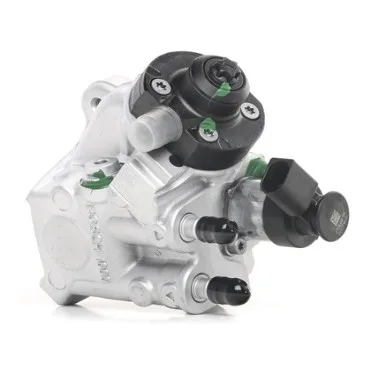
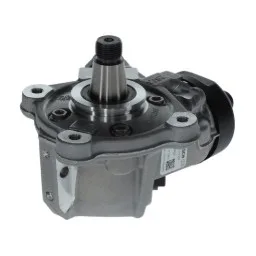
| High-pressure pump Bosch 0445010507 | direct replacement for TDI engines | |
| High-pressure pump Bosch 0445010566 | high-performance variant for Quattro systems |
How to choose
Selecting the right high-pressure pump involves evaluating several factors beyond mere compatibility, including the pump’s condition, packaging, and the supplier’s ability to provide consistent quality across orders.
- Conditioning: opt for pumps that arrive in protective packaging to prevent contamination during transit, ensuring the component remains in optimal condition until installation.
- Consistency: choose suppliers who maintain a steady supply of remanufactured pumps, reducing the risk of delays or mismatches in specifications for repeated orders.
- Rotation: prioritize pumps from suppliers with a fast turnover of stock, as this often indicates fresher remanufacturing dates and higher reliability in performance.
- Compatibility: verify that the pump’s OEM reference matches your engine’s exact code, avoiding mismatches that could lead to installation issues or further failures.
- Packaging: select pumps shipped in sealed, anti-static bags or containers to protect sensitive components from moisture and electrostatic discharge during handling.
- Traceability: prefer suppliers who provide clear documentation of the pump’s remanufacturing process, including any tests or calibrations performed before dispatch.
- Bulk availability: for garages, ensure the supplier offers bulk discounts or tiered pricing for larger orders, reducing per-unit costs while maintaining quality standards.
Storage & logistics
Proper storage of high-pressure pumps is essential to preserve their condition and performance until installation. These components should be kept in a dry, temperature-controlled environment, away from direct sunlight and sources of vibration, which can degrade seals and internal tolerances over time. For garages and workshops, storing pumps in their original packaging or equivalent protective cases prevents dust accumulation and minimizes the risk of physical damage during handling. It is also advisable to rotate stock based on expiration dates or remanufacturing batches, ensuring older units are used first to maintain freshness. Suppliers should implement a first-in, first-out (FIFO) system to track inventory, reducing the likelihood of delivering outdated or compromised components to customers.
With over a decade of experience in sourcing remanufactured diesel components, our team understands the critical role the high-pressure pump plays in TDI engines, which is why we rigorously vet each unit before offering it as a replacement.— autoKUR team
Related categories
Browse our other ranges:
Useful references
For regulatory and sector references, see Reglement (UE) 461/2010 — pieces de rechange et garantie constructeur.