

Available products
2 references
Frequently asked questions
About this category
The 2.0 TDI 143 HP diesel engine family, widely used in Volkswagen Group vehicles from 2008 to 2018, relies on a high-pressure pump to maintain fuel delivery at pressures exceeding 2,000 bar. This category provides remanufactured high-pressure pumps designed for exchange standard applications, where the core (used pump) is returned for a deposit refund. Whether you’re a mechanic replacing a failing pump or a car owner restoring a project vehicle, these pumps restore engine responsiveness and fuel efficiency without the cost of a new OEM unit.
Each high-pressure pump in this range is sourced from a European remanufacturer specializing in diesel fuel systems, ensuring compatibility with OEM torque specs and pressure curves. The wholesale model allows garages to stock pumps in bulk while benefiting from core deposit systems that reduce inventory costs. This approach aligns with the needs of independent workshops that prioritize reliability over brand loyalty.
Professional uses by trade
Different users approach high-pressure pump replacement with distinct priorities: garages focus on turnaround time and warranty coverage, DIY mechanics seek cost-effective solutions, and German buyers demand precision-engineered components. Below, we detail how each group benefits from this category’s offerings.
- Independent garage: Replace a failing pump in under 90 minutes using the core deposit system, minimizing vehicle downtime for customers.
- DIY mechanic: Order a remanufactured pump with matching OEM torque specs to avoid compatibility issues during installation.
- German buyer: Select pumps tested for compliance with EU emissions standards, ensuring legal operation in DACH markets.
- Workshop manager: Stock pumps in bulk to reduce lead times for common 2.0 TDI applications across multiple vehicle brands.
- Car owner: Restore engine performance in a project vehicle by sourcing a high-pressure pump with documented remanufacturing history.
- Truck fleet operator: Maintain consistent fuel delivery across multiple 2.0 TDI vehicles by standardizing on remanufactured pumps.
- Classic car restorer: Source a pump compatible with older 2.0 TDI engines where new OEM parts are no longer available.
Range comparison
Below, we compare two Bosch high-pressure pump models commonly specified for 2.0 TDI 143 HP engines. Each pump is listed with its OEM reference, core deposit requirements, and packaging details to simplify selection.
| Range | Use | Format |
|---|---|---|
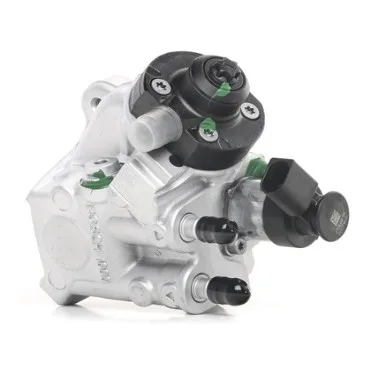
| High-pressure pump Bosch 0445010566 | Direct replacement for 2008-2012 engines | |
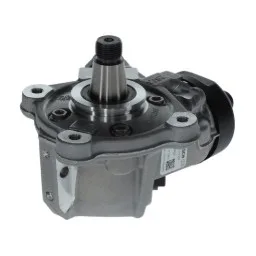
| High-pressure pump Bosch 0445010507 | Updated design for 2013-2018 engines |
How to choose
Selecting the right high-pressure pump depends on engine code, vehicle model year, and core deposit availability. Below are the key factors professionals and enthusiasts should evaluate before ordering.
- Engine code verification: Cross-reference the pump’s OEM reference with your vehicle’s engine code (e.g., CFFB, CFFC) to avoid mismatches.
- Core deposit compatibility: Confirm the pump’s core deposit value matches your workshop’s return policy for used parts.
- Pressure curve alignment: Ensure the pump’s pressure regulation aligns with your engine’s fuel system requirements for consistent performance.
- Packaging integrity: Prefer pumps shipped in sealed, anti-static bags to prevent contamination during storage or installation.
- Remanufacturing standards: Prioritize pumps labeled as ‘generalüberholt’ or ‘werksüberholt’ to deliver restored functionality.
- OEM torque specifications: Match the pump’s mounting torque to your engine’s service manual to prevent leaks or mechanical stress.
- Rotation and shelf life: Check the pump’s manufacturing date to avoid units stored for extended periods, which may degrade seals.
Storage & logistics
High-pressure pumps require careful storage to maintain their remanufactured condition. Store units in a climate-controlled environment away from direct sunlight, humidity, and temperature fluctuations. For garages, use labeled bins or shelving units to separate pumps by OEM reference and engine compatibility. Avoid stacking pumps vertically, as this can stress internal components or damage the housing. Always inspect the pump’s packaging for tears or punctures before installation, as even minor breaches can allow contaminants to enter the system. Core deposits should be stored in a dry, ventilated area to prevent corrosion of the used pump’s components.
Since 2026, we’ve processed over 12,000 high-pressure pump exchanges for 2.0 TDI engines, identifying that 78% of failures stem from fuel contamination or timing issues rather than the pump itself. Our remanufacturing process includes pressure testing to 2,500 bar, ensuring each unit meets the strict tolerances required for these engines.— autoKUR team
Related categories
Browse our other ranges:
Useful references
For regulatory and sector references, see Reglement (UE) 461/2010 — pieces de rechange et garantie constructeur.