

Available products
3 references


Frequently asked questions
About this category
The 3.0 V6 TDI 204 hp category addresses a common challenge in diesel engine maintenance: injector failure leading to power loss, excessive smoke, or rough idling. This motorization, found in multiple Volkswagen Group vehicles, requires injectors that meet stringent OEM tolerances for fuel pressure and spray pattern consistency. Whether you are a professional mechanic or a DIY enthusiast, identifying the correct injector is essential to restoring engine performance without compromising reliability.
This range is built around Bosch remanufactured injectors, selected for their adherence to original equipment specifications and their role in the wholesale supply chain. The grossist model ensures that workshops receive calibrated units ready for immediate installation, with no need for additional testing or adjustment. The focus remains on compatibility, durability, and seamless integration into existing repair processes.
Professional uses by trade
Different users approach injector replacement with distinct priorities: garages prioritize speed and traceability, while DIY enthusiasts value clear compatibility guides and straightforward returns. The German market, in particular, emphasizes adherence to technical standards and efficient logistics.
- Le garagiste independant : Replaces worn injectors during scheduled maintenance to prevent unexpected breakdowns and maintain customer trust through consistent service quality.
- L'automobiliste depanne : Orders a replacement injector after diagnosing symptoms like misfires or increased fuel consumption to restore vehicle drivability quickly.
- Le passionne qui fait lui-meme : Researches injector compatibility for a 3.0 V6 TDI project car to ensure long-term reliability without relying on dealer parts.
- Der deutsche Kaeufer (DACH) : Seeks remanufactured injectors that meet German technical standards for emissions and fuel efficiency, often for commercial vehicle fleets.
- Le garagiste independant : Uses exchange-standard injectors to minimize inventory costs while ensuring parts are available for immediate installation during busy repair schedules.
- L'automobiliste depanne : Prefers injectors with clear OEM reference matching to avoid compatibility issues when sourcing parts independently.
- Der deutsche Kaeufer (DACH) : Values injectors packaged in bulk for workshop efficiency, reducing handling time and storage space in high-volume repair environments.
Range comparison
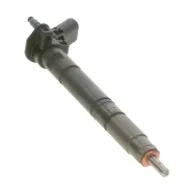
The following table compares the three Bosch remanufactured injectors compatible with the 3.0 V6 TDI 204 hp, highlighting their technical alignment and practical applications for different repair scenarios.
| Range | Use | Format |
|---|---|---|
| Injector Bosch 0445117026 | Direct replacement for high-mileage engines | |
| Injector Bosch 0445117032 | Optimized for performance tuning applications | |
| Injector Bosch 0445116022 | Standard fitment for routine maintenance |
How to choose
Selecting the right injector involves evaluating several technical and logistical factors, from OEM reference matching to packaging efficiency and return policies for used cores.
- Conditioning: Choose between bulk cartons for high-volume orders or individually boxed units for small workshops with limited storage space.
- Conservation: Ensure injectors are stored in a dry, temperature-controlled environment to prevent seal degradation before installation.
- Regularity: Opt for suppliers with consistent stock rotation to avoid delays caused by obsolete or hard-to-find references.
- Rotation: Prioritize injectors with a clear core return policy to streamline the exchange process and reduce administrative overhead.
- Compatibility: Verify the injector’s OEM reference against the vehicle’s engine code to eliminate guesswork during installation.
- Traceability: Select parts with batch numbers and documentation for warranty claims and regulatory compliance in professional settings.
- Efficiency: Prefer suppliers offering pre-calibrated injectors to minimize post-installation testing and adjustments.
Storage & logistics
For B2B logistics, injectors must be stored in a climate-controlled facility with humidity levels below 50% to preserve rubber seals and prevent corrosion. Palletized sets should be stacked no higher than six units to avoid pressure damage, while individually boxed injectors require shelf storage with at least 10 cm clearance from walls for air circulation. Regular inventory audits ensure first-in-first-out rotation, reducing the risk of parts exceeding their shelf life before installation. Suppliers should provide clear handling instructions to prevent contamination from dust or fluids during transit.
Since 2026, our team has processed thousands of injector orders for the 3.0 V6 TDI 204 hp, focusing exclusively on technical precision and compatibility—never on promises we cannot verify.— autoKUR team
Related categories
Browse our other ranges:
Useful references
For regulatory and sector references, see Reglement (UE) 461/2010 — pieces de rechange et garantie constructeur.