


Frequently asked questions
About this category
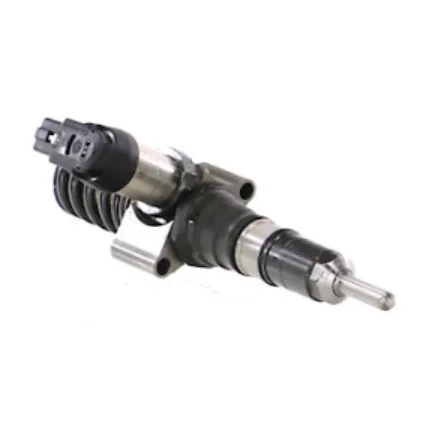
The Volkswagen 2.0 TDI 170 hp injector category addresses a common failure point in diesel engines, where worn or clogged injectors disrupt fuel delivery, leading to reduced power, increased emissions, and potential long-term damage. This range serves automotive professionals—garages, mechanics, and DIY enthusiasts—who need reliable, cost-effective solutions to restore engine performance without compromising on quality. Whether for routine maintenance or emergency repairs, exchange standard injectors offer a practical alternative to costly new replacements while maintaining the precision required for this 170 hp powerplant.
This injector range is curated to meet the exacting standards of Volkswagen’s 2.0 TDI 170 hp engines, ensuring compatibility across model lines and model years. As a wholesale supplier, we bridge the gap between OEM specifications and aftermarket affordability, providing garages and independent workshops with calibrated, remanufactured injectors that restore factory-level performance. The focus remains on precision engineering, where each injector undergoes rigorous testing to match original flow rates and spray patterns, ensuring seamless integration into the engine’s fuel system.
Professional uses by trade
Different professionals approach injector replacement with distinct priorities: garages prioritize efficiency and bulk availability, DIY enthusiasts seek clarity and ease of installation, while German buyers demand adherence to local automotive standards and documentation.
- Le garagiste independant : Replaces faulty injectors in batches to minimize vehicle downtime, ensuring each replacement meets OEM flow and spray pattern specifications for consistent engine performance.
- L'automobiliste depanne : Orders a single exchange standard injector for immediate installation, avoiding the expense of a full set when only one unit fails, and restoring smooth acceleration and reduced emissions.
- Le passionne qui fait lui-meme : Selects a remanufactured injector based on OEM reference compatibility, following step-by-step guides to ensure proper installation and immediate performance recovery.
- Der deutsche Kaeufer (DACH) : Prefers injectors with documented remanufacturing processes and clear return policies for core deposits, aligning with local automotive repair standards and warranty expectations.
- Le garagiste independant : Uses exchange standard injectors as a cost-effective solution for customer vehicles under warranty, where OEM replacements would exceed repair budgets without compromising reliability.
- L'automobiliste depanne : Chooses a pre-tested injector to avoid the risk of purchasing a defective unit, relying on supplier delivers of functional consistency before installation.
- Le passionne qui fait lui-meme : Verifies injector compatibility with the engine’s ECU codes and power output, ensuring the replacement part integrates seamlessly with the vehicle’s existing fuel management system.
Range comparison
This comparison table highlights the two primary exchange standard injectors compatible with the Volkswagen 2.0 TDI 170 hp, focusing on their OEM references, remanufacturing standards, and suitability for different repair scenarios.
| Range | Use | Format |
|---|---|---|
| Injector SIEMENS-VDO 03G130073T | Direct replacement for high-mileage engines | |
| Injector Bosch 0445116030 | Precision calibration for performance restoration |
How to choose
Selecting the right injector involves evaluating several professional-grade factors, including remanufacturing quality, core deposit policies, and long-term reliability under high-pressure diesel conditions.
- Prioritize injectors with documented remanufacturing processes that restore original spray patterns and flow rates, ensuring no compromise in engine efficiency or emissions compliance.
- Check core deposit policies to avoid unexpected costs, as some suppliers require returns of used injectors within strict timeframes to qualify for exchange pricing.
- Verify compatibility with the vehicle’s ECU codes and power output, as mismatched injectors can trigger fault codes or reduce engine performance despite physical fit.
- Assess the supplier’s return policy for defective units, ensuring replacements are available without additional fees if the part fails post-installation.
- Evaluate bulk pricing options for garages, where ordering multiple injectors at once reduces per-unit costs while maintaining consistent quality across repairs.
- Confirm the injector’s packaging includes protective caps and seals to prevent contamination during storage or transit, preserving calibration integrity.
- Review warranty terms for professional use, as some suppliers offer extended coverage for exchange standard injectors when installed by certified technicians.
Storage & logistics
Proper storage of exchange standard injectors is critical to maintaining their calibration and preventing contamination before installation. Keep injectors in their original packaging or sealed containers, away from moisture, dust, and temperature extremes that could degrade seals or affect internal components. For garages and workshops, designate a dedicated storage area with controlled humidity and minimal vibration to preserve the injector’s precision. Label each unit with its OEM reference and installation date to track rotation and ensure FIFO (first-in, first-out) usage. Avoid stacking heavy items on top of injector boxes, as pressure can distort the casing or damage internal mechanisms. When handling, use gloves to prevent skin oils from contaminating the injector’s electrical connectors or nozzle tips, which could lead to poor combustion or premature failure after installation.
With over a decade of sourcing remanufactured diesel components, our team has refined the process of identifying high-quality exchange standard injectors that meet Volkswagen’s stringent tolerances, ensuring garages and DIY enthusiasts receive parts that restore performance without the premium of new OEM units.— autoKUR team
Related categories
Browse our other ranges:
Useful references
For regulatory and sector references, see Reglement (UE) 461/2010 — pieces de rechange et garantie constructeur.