

Available products
2 references
Frequently asked questions
About this category
The 1.9 TDI 100 hp engine, a staple in Volkswagen’s diesel lineup, is renowned for its robustness but demands precise fuel delivery to maintain efficiency. This category provides a curated selection of remanufactured injectors designed for exchange standard applications, catering to mechanics, DIY enthusiasts, and German-speaking buyers seeking reliable alternatives to OEM parts. Each injector undergoes a standardized remanufacturing process to restore its original performance characteristics, ensuring seamless compatibility with the engine’s fuel system.
This range is built on a foundation of wholesale partnerships with leading suppliers, ensuring that every injector meets strict quality benchmarks without the markup of branded dealerships. The focus is on practicality: parts are selected for their compatibility with the 1.9 TDI 100 hp engine across model years, eliminating the need for costly guesswork. The role of the wholesaler here is to streamline access to these parts, providing mechanics and enthusiasts with the tools they need to keep vehicles running smoothly.
Professional uses by trade
Different users approach injector replacement with distinct priorities, whether it’s the urgency of a roadside repair, the precision of a workshop job, or the cost-consciousness of a DIY project. This section outlines how each group can leverage these injectors to address their specific needs effectively.
- Independent mechanic: Replace a failing injector with a remanufactured unit to restore engine balance and fuel efficiency without compromising on quality.
- Roadside repair: Carry a spare injector in the van to quickly resolve misfires or power loss on the spot, minimizing downtime for stranded drivers.
- DIY enthusiast: Source a direct-fit injector to avoid the complexity of dealership visits, ensuring the repair is both affordable and reliable.
- German-speaking buyer: Access parts labeled in German with clear compatibility notes, simplifying the selection process for non-native speakers.
- Workshop manager: Stock exchange-standard injectors to reduce inventory costs while maintaining a steady supply of high-demand parts.
- Passionate driver: Restore lost performance in a classic TDI by replacing worn injectors with remanufactured alternatives that match OEM specs.
- Fleet operator: Maintain a fleet of TDI-powered vehicles by keeping exchange-standard injectors on hand for routine replacements, ensuring consistent uptime.
Range comparison
Below, you’ll find the available injector references for the 1.9 TDI 100 hp engine, each selected for its proven compatibility and remanufacturing quality. These parts are presented with their core details to help you identify the right fit for your application.
| Range | Use | Format |
|---|---|---|
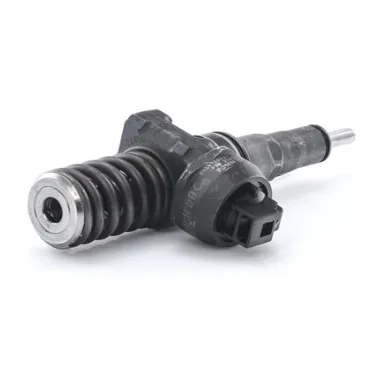
| Injector Bosch 0414720037 | direct replacement for common TDI models | |
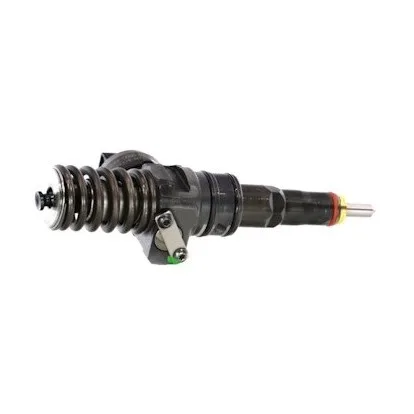
| Injector Bosch 0414720215 | high-demand application for 1.9 TDI variants |
How to choose
Selecting the right injector involves more than just matching the part number—it requires attention to condition, compatibility, and long-term reliability. This section highlights the key factors professionals and enthusiasts should consider before making a purchase.
- Condition: Opt for injectors labeled as remanufactured to ensure they meet performance standards without hidden defects.
- Compatibility: Verify the injector’s fitment against your vehicle’s engine code and model year to avoid mismatches.
- Brand reputation: Choose parts from established manufacturers like Bosch to deliver consistent quality and durability.
- Core deposit: Consider the core return policy to reduce costs, as many suppliers offer refunds for used injectors.
- Packaging: Select injectors shipped in protective packaging to prevent damage during transit, especially for bulk orders.
- Rotation: Prioritize suppliers with frequent stock turnover to ensure you receive parts that are neither outdated nor overstocked.
- Documentation: Request detailed compatibility lists or OEM cross-references to simplify the ordering process and reduce errors.
Storage & logistics
Proper storage of exchange-standard injectors is essential to maintain their condition before installation. Keep parts in a climate-controlled environment, away from moisture and extreme temperatures, to prevent corrosion or seal degradation. For bulk orders, use labeled bins or shelving units to organize references by model and engine code, ensuring quick access during busy repair sessions. Always inspect packaging for damage upon arrival, and store injectors in their original protective covers until use. For mechanics managing large inventories, implementing a first-in-first-out (FIFO) system helps prevent parts from sitting unused for extended periods, reducing the risk of degradation. Additionally, track core return deadlines to maximize refunds and maintain efficient stock rotation.
With over a decade of experience in diesel engine components, our team has seen how a single injector can make or break a repair job. We don’t just sell parts—we provide the confidence that comes from knowing every injector in this range has been vetted for compatibility and remanufacturing quality, so you can focus on the job at hand.— autoKUR team
Related categories
Browse our other ranges:
Useful references
For regulatory and sector references, see Reglement (UE) 461/2010 — pieces de rechange et garantie constructeur.