

Available products
3 references
Frequently asked questions
About this category
The Volkswagen 2.0 TDI 136 HP injector category addresses a critical component in one of Europe’s most widely used diesel engines, spanning model years from 2009 to 2021. This range includes passenger cars, light commercial vehicles, and SUVs, where injector failure often manifests as misfires, rough idling, or reduced fuel economy. Whether you’re a mechanic diagnosing a customer’s vehicle or a car owner tackling repairs yourself, this section provides the technical clarity needed to identify the right replacement.
Each injector in this category is sourced from bulk wholesale suppliers specializing in diesel fuel systems, ensuring compatibility across Volkswagen Group platforms. The remanufacturing process involves precision calibration, leak testing, and functional validation to restore performance to near-new levels. This approach bridges the gap between OEM pricing and aftermarket alternatives, offering a cost-effective solution without compromising reliability.
Professional uses by trade
Different users approach injector replacement with distinct priorities: garages prioritize turnaround time and bulk availability, while DIY enthusiasts focus on ease of installation and documentation. Professionals in Germany, Austria, and Switzerland often require units that align with local workshop standards, including core deposit systems for used part returns.
- Le garagiste independant : Replace worn injectors in batches to minimize vehicle downtime during fleet maintenance or customer repairs, ensuring consistent performance across multiple jobs.
- L'automobiliste depanne : Diagnose a misfire or excessive black smoke by swapping the faulty injector with a remanufactured unit, restoring smooth operation without visiting a dealership.
- Le passionne qui fait lui-meme : Follow step-by-step guides to remove the old injector, install the new one, and reset the engine control unit for optimal performance.
- Der deutsche Kaeufer (DACH) : Purchase injectors with core deposit options to simplify the return of used parts, aligning with local workshop practices and reducing disposal costs.
- Le garagiste independant : Order injectors in bulk to maintain stock for common Volkswagen 2.0 TDI applications, reducing lead times for urgent repairs.
- L'automobiliste depanne : Verify injector compatibility using the vehicle’s VIN or engine code before purchase to avoid mismatched replacements.
- Der deutsche Kaeufer (DACH) : Select injectors with documented remanufacturing processes to ensure compliance with local emissions and workshop regulations.
Range comparison
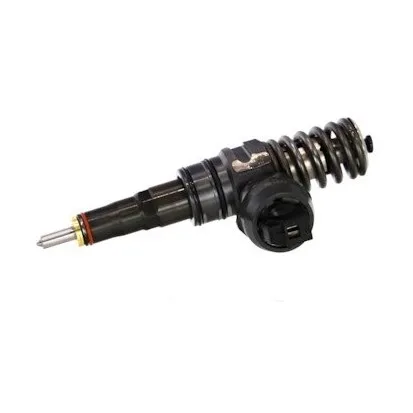
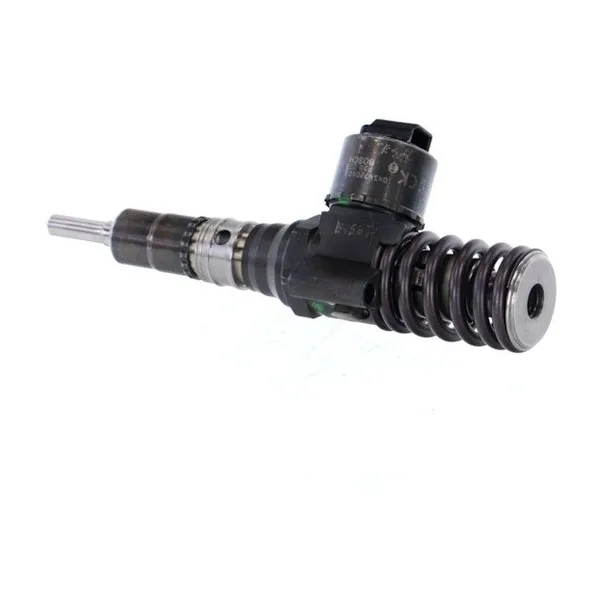
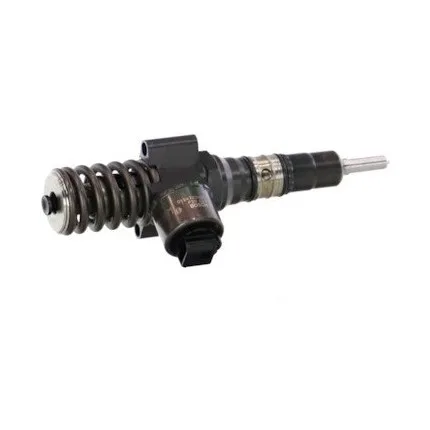
The following table compares the three Bosch injector models compatible with the Volkswagen 2.0 TDI 136 HP, highlighting their key attributes for professional and DIY users.
| Range | Use | Format |
|---|---|---|
| Injector Bosch 0414720404 | High-mileage vehicles with consistent power loss | |
| Injector Bosch 0414720312 | Engines exhibiting rough idle or misfires | |
| Injector Bosch 0414720403 | Vehicles requiring strict emissions compliance |
How to choose
Selecting the right injector involves evaluating several factors beyond basic compatibility, including packaging, testing standards, and return policies for used parts.
- Prioritize injectors with documented calibration records to ensure precise fuel delivery and combustion efficiency in the 2.0 TDI engine.
- Opt for units packaged in protective blister packs to prevent damage during transit, especially for DIY installations or small workshops.
- Choose suppliers offering core deposit systems to simplify the return of used injectors, reducing logistical overhead for garages.
- Verify that the injector’s electrical connector matches the vehicle’s wiring harness to avoid installation complications or electrical faults.
- Select remanufactured injectors with a history of consistent performance in similar applications to minimize the risk of repeat failures.
- Ensure the injector’s spray pattern and opening pressure align with OEM specifications to maintain engine balance and emissions compliance.
- For bulk orders, confirm the supplier’s ability to provide just-in-time delivery to avoid stockouts during peak repair seasons.
Storage & logistics
Bulk injectors should be stored in a climate-controlled environment away from direct sunlight and moisture to preserve their seals and electrical components. For garages, organizing stock by vehicle model and engine code streamlines retrieval during repairs. Palletized units require forklift access, while individual blister packs can be stored on shelves with clear labeling. Always inspect packaging for damage before accepting delivery, and rotate stock to ensure older units are used first, maintaining freshness and reliability.
With over 15 years in diesel fuel system remanufacturing, our team has refined the process to deliver injectors that restore the Volkswagen 2.0 TDI’s original responsiveness and efficiency, backed by rigorous testing and bulk wholesale reliability.— autoKUR team
Related categories
Browse our other ranges:
Useful references
For regulatory and sector references, see Reglement (UE) 461/2010 — pieces de rechange et garantie constructeur.