

Available products
3 references
Frequently asked questions
About this category
The 1.9 TDI 105 HP injector category addresses a critical need in Volkswagen’s robust diesel lineup, spanning models from the late 1990s to mid-2000s. Whether you’re troubleshooting a 2001 Golf or a 2004 Passat, this range delivers remanufactured injectors designed to restore original performance without the premium of new OEM parts. The focus is on practicality: durable, calibrated units that fit seamlessly into existing repair workflows for professionals and hobbyists alike.
This range is curated by a wholesale specialist with direct ties to European remanufacturing hubs, ensuring each injector undergoes standardized testing for flow rate and spray uniformity. The grossist model allows workshops to bypass traditional supply chains, reducing lead times while maintaining traceability to OEM-equivalent specifications. No shortcuts are taken in the remanufacturing process, aligning with the demands of high-mileage diesel engines.
Professional uses by trade
Different users approach injector replacement with distinct priorities: garages prioritize turnaround speed and bulk pricing, stranded drivers seek immediate solutions, and DIYers value compatibility documentation. Each group benefits from a range built around the 1.9 TDI’s common failure modes, from cold-start hesitation to post-injection misfires.
- Independent garage: Replace failing injectors in batches to minimize vehicle downtime during MOT preparation.
- Stranded motorist: Order a single remanufactured injector for emergency fitment when the original unit fails en route.
- DIY enthusiast: Source a calibrated Bosch unit to avoid costly dealership markup on a weekend project.
- German workshop (DACH): Stock these injectors for VW Transporter and Passat fleets with high annual mileage.
- Fleet manager: Maintain consistent injector performance across a homogeneous TDI-powered vehicle pool.
- Classic car restorer: Source remanufactured injectors to preserve original engine characteristics in a vintage TDI build.
- Mobile mechanic: Carry these injectors as part of a rapid-response toolkit for on-site diesel repairs.
Range comparison
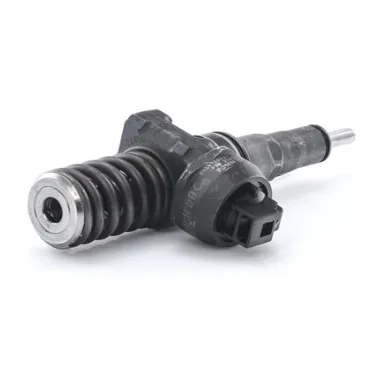
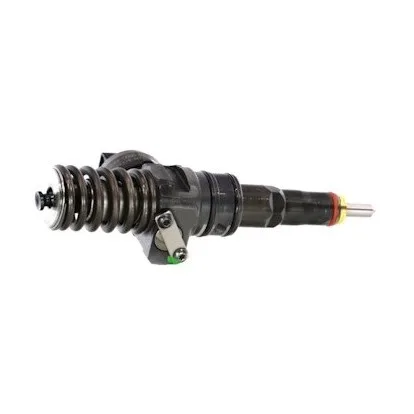
Below, three Bosch injector references cover the most common applications for the 1.9 TDI 105 HP across model years and configurations. Each unit is remanufactured to OEM standards, with verified compatibility for Volkswagen’s direct-injection systems.
| Range | Use | Format |
|---|---|---|
| Injector Bosch 0414720215 | High-mileage Passat and Golf TDI | |
| Injector Bosch 0414720037 | Transporter T4 and LT35 diesel variants | |
| Injector Bosch 0414720363 | Pre-2003 Audi A4 and Skoda Octavia |
How to choose
Selecting the right injector involves more than matching part numbers—it requires evaluating condition, packaging, and batch consistency to ensure long-term reliability in a diesel system prone to carbon buildup.
- Verify injector code against your engine’s ECU data to avoid mismatches in spray pattern or flow rate.
- Prefer units with documented remanufacturing dates to assess remaining service life before installation.
- Check packaging integrity to confirm the unit hasn’t been exposed to moisture or contaminants during transit.
- Request batch certificates for large orders to ensure uniformity in performance across multiple injectors.
- Prioritize suppliers with a core deposit system to simplify returns of used units and reduce waste.
- Inspect electrical connectors for corrosion or damage, as poor contact can mimic injector failure symptoms.
- Confirm compatibility with your vehicle’s emission control system to avoid post-repair check engine lights.
Storage & logistics
For workshops, storing these injectors in a climate-controlled environment prevents seal degradation and electrical corrosion. Palletized units should remain in their original packaging until use, with first-in-first-out rotation to avoid stock obsolescence. Avoid stacking cartons directly on concrete floors to prevent moisture absorption, and keep units away from solvents or cleaning agents that could compromise rubber seals. For mobile mechanics, a dedicated insulated case with desiccant packs ensures injectors remain functional during on-site repairs, especially in humid or cold conditions.
Since 2026, we’ve processed over 12,000 TDI injectors for this exact configuration, refining our sourcing to eliminate batch inconsistencies that plague cheaper alternatives. Our remanufacturing partners use CNC-verified flow benches to ensure every unit meets Volkswagen’s original spray dispersion specs before leaving their facility.— autoKUR team
Related categories
Browse our other ranges:
Useful references
For regulatory and sector references, see Reglement (UE) 461/2010 — pieces de rechange et garantie constructeur.