


Frequently asked questions
About this category
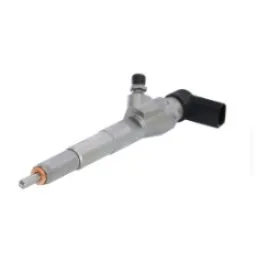
The 1.5 dCi 106 hp diesel engine, widely used in Renault models from the mid-2000s onward, is known for its fuel efficiency and durability, yet its injector system remains a critical wear point due to carbon buildup and injector nozzle erosion over time. This category addresses the exact needs of garages, DIY enthusiasts, and stranded motorists seeking a reliable exchange-standard injector that restores original performance without the cost of a brand-new OEM part. Whether you're troubleshooting a misfire, excessive fuel consumption, or a check engine light linked to injector failure, the right replacement part must match the engine’s calibration, flow rate, and electrical specifications to avoid further damage.
autoKUR’s injector range for the 1.5 dCi 106 hp is curated from a network of remanufacturers specializing in diesel fuel systems, where each component undergoes a standardized process of cleaning, testing, and calibration to meet the strict tolerances of the original equipment. The selection prioritizes compatibility with Renault’s engine control units and fuel rail designs, ensuring seamless integration whether the injector is destined for a Scénic, Mégane, or Clio. By partnering with suppliers who adhere to ISO-certified remanufacturing protocols, we provide a consistent supply of exchange-standard injectors that reduce lead times for workshops while offering motorists a cost-effective alternative to dealership repairs.
Professional uses by trade
Different users approach injector replacement with distinct priorities: garages focus on bulk availability and fast turnaround, stranded drivers need a quick fix to get back on the road, and DIY enthusiasts seek parts that are straightforward to install without specialized tools. Below, we outline how each group leverages exchange-standard injectors to resolve performance issues efficiently.
- Le garagiste independant : replaces worn injectors in batches to maintain fleet reliability, reducing vehicle downtime during scheduled maintenance or breakdown repairs.
- L'automobiliste depanne : orders a single exchange injector to address a sudden loss of power or rough idle, often after diagnosing a fault code linked to injector failure.
- Le passionne qui fait lui-meme : purchases a remanufactured injector for a weekend project, ensuring the part matches the engine’s OEM specifications without the expense of a new unit.
- Der deutsche Kaeufer (DACH) : sources bulk-packaged injectors for regional workshops, prioritizing consistent quality and compatibility with German-market Renault models.
- Le garagiste independant : uses exchange injectors as a cost-effective solution for customer vehicles under warranty, avoiding dealership markup while maintaining repair standards.
- L'automobiliste depanne : replaces a faulty injector after noticing excessive black smoke or fuel odor, often following a diagnostic scan revealing injector-related error codes.
- Der deutsche Kaeufer (DACH) : selects injectors with verified electrical resistance and spray pattern consistency to ensure long-term reliability in high-mileage engines.
Range comparison
The following table compares the available exchange-standard injectors for the 1.5 dCi 106 hp, highlighting their compatibility, packaging, and intended use cases to help professionals and motorists make an informed choice.
| Range | Use | Format |
|---|---|---|
| Injecteur SIEMENS-VDO 5WS40536 | wholesale supply for workshops |
How to choose
Selecting the right injector involves more than matching the part number; professionals must consider electrical compatibility, spray pattern consistency, and the injector’s condition to avoid repeat failures. Below are the key criteria that distinguish a reliable exchange-standard injector from a subpar alternative.
- Conditioning: Verify the injector is supplied in sealed, anti-static packaging to prevent contamination or electrostatic discharge during handling or installation.
- Electrical resistance: Ensure the injector’s coil resistance matches the OEM specification to avoid triggering fault codes or erratic engine behavior.
- Spray pattern: Check for consistent fuel atomization, as irregular patterns can lead to uneven combustion and premature wear of the engine.
- Calibration: Confirm the injector has been remanufactured to OEM flow rate tolerances, ensuring it delivers the correct fuel volume for the engine’s power output.
- Core deposit policy: Understand the return process for the old injector, as many suppliers require a core deposit to encourage proper recycling of used parts.
- Rotation: Prefer suppliers with a high turnover of stock to minimize the risk of receiving outdated or improperly stored injectors.
- Documentation: Request a remanufacturing report or certificate of conformity to validate the injector’s condition and compliance with industry standards.
- Compatibility cross-check: Double-check the injector’s fitment against the vehicle’s VIN or engine code to avoid mismatches in mounting or electrical connections.
Storage & logistics
For workshops and bulk buyers, storing exchange-standard injectors requires a controlled environment to preserve their condition until installation. Keep injectors in their original packaging, away from direct sunlight, moisture, and temperature extremes, as prolonged exposure can degrade seals or affect electrical components. Use a dedicated storage cabinet with anti-static properties to prevent damage from static electricity, and organize stock by part number or vehicle application for quick retrieval. Regularly rotate inventory to ensure older units are used first, reducing the risk of receiving parts that have degraded over time. When handling injectors, wear gloves to avoid transferring oils or contaminants to the sealing surfaces, and inspect each unit for damage or corrosion before installation. For motorists storing a spare injector at home, a cool, dry place like a garage shelf is sufficient, provided the part remains in its sealed packaging until needed.
With over a decade of sourcing remanufactured diesel components, our team has seen firsthand how a poorly matched injector can cascade into engine damage—hence our strict adherence to OEM tolerances and supplier audits to ensure every unit meets the mark before it leaves our warehouse.— autoKUR team
Related categories
Browse our other ranges:
Useful references
For regulatory and sector references, see Reglement (UE) 461/2010 — pieces de rechange et garantie constructeur.