

Available products
5 references


Frequently asked questions
About this category
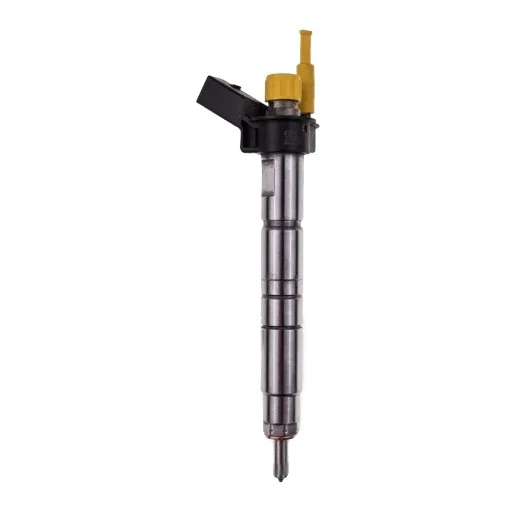
The Mercedes-Benz OM646 114 HP engine, found in models like the W203 C-Class and W211 E-Class from 2000 to 2009, relies on a precise high-pressure common-rail system where injectors play a critical role in atomizing diesel fuel. This category addresses the recurring need for exchange-standard injectors that restore original performance without the expense of OEM replacements. Whether you’re a mechanic balancing repair budgets or a car owner tackling a DIY project, the injectors here are sourced from remanufacturers who specialize in OE-compliant calibration and durability.
The injectors in this range are not generic aftermarket parts but are instead remanufactured by specialists who disassemble, clean, and rebuild each unit to original specifications using OEM-grade components. This process includes pressure testing, leak checks, and electrical validation to ensure the injector’s spray pattern and response time match factory standards. The role of the wholesaler here is to aggregate these remanufactured units from certified suppliers, providing garages and enthusiasts with a single point of access to a consistent supply chain, reducing the complexity of sourcing compatible parts across multiple brands.
Professional uses by trade
Different users approach the OM646 injector replacement with distinct priorities: garages need bulk availability and traceability, DIYers seek clarity on compatibility, and German buyers often compare options based on long-term reliability. Below, we break down how each group can leverage this category to resolve performance issues efficiently.
- Le garagiste independant : Replace failing injectors in batches to minimize vehicle downtime during fleet maintenance or customer repairs, ensuring each unit is pre-verified for OE fitment and pressure consistency.
- L'automobiliste depanne : Diagnose symptoms like rough idling or white smoke by swapping the faulty injector with an exchange-standard unit, avoiding costly dealership visits while restoring engine smoothness.
- Le passionne qui fait lui-meme : Order a single injector for a weekend project, using the provided OEM references to confirm compatibility before disassembly, then reinstall with confidence in the remanufactured part’s performance.
- Der deutsche Kaeufer (DACH) : Compare Bosch and Delphi remanufactured injectors based on long-term durability reports from local workshops, prioritizing units with documented service histories in the German market.
- Le garagiste independant : Use the exchange-standard model to offer customers a budget-friendly alternative to OEM injectors, balancing cost savings with the assurance of calibrated performance for the OM646 114 HP.
- L'automobiliste depanne : Address intermittent misfires by identifying the culprit injector through fault code analysis, then purchasing a direct replacement to resolve the issue without invasive diagnostics.
- Der deutsche Kaeufer (DACH) : Select injectors packaged in bulk for professional use, ensuring the units are stored in climate-controlled conditions to prevent seal degradation before installation.
Range comparison
The following table compares exchange-standard injectors for the Mercedes-Benz OM646 114 HP, listing each unit’s OEM reference alongside its practical application for different user needs. These options are curated to ensure compatibility with the engine’s common-rail system and calibrated for consistent fuel delivery.
| Range | Use | Format |
|---|---|---|
| Injector Bosch 0445117047 | Direct replacement for OM646 engines with high mileage | |
| Injector DELPHI 28307309 | Ideal for workshops managing mixed-brand fleets | |
| Injector Bosch 0445117035 | Preferred for OM646 models with frequent cold starts | |
| Injector DELPHI 6510703087 | Optimal for high-performance tuning applications | |
| Injector Bosch 0445118008 | Recommended for OM646 engines with carbon buildup issues |
How to choose
Selecting the right injector for the OM646 114 HP involves evaluating factors like packaging, storage conditions, and compatibility with your repair workflow. Below are the key criteria professionals and enthusiasts use to make an informed choice, ensuring the part meets both technical and logistical needs.
- Prioritize injectors packaged in sealed, moisture-resistant containers to prevent seal degradation during storage or transit, especially for bulk orders.
- Verify the injector’s storage history—units kept in climate-controlled environments retain their calibration longer than those exposed to temperature fluctuations.
- Choose bulk packs for workshops to reduce per-unit costs, while individual units suit DIYers or low-volume repairs where flexibility is critical.
- Check the injector’s compatibility with your engine’s specific fault codes, as some remanufactured units are tuned for particular failure patterns.
- Opt for brands with documented remanufacturing processes, such as Bosch or Delphi, to ensure the cartridge and CHRA meet OE tolerances.
- Assess the injector’s electrical connector type to confirm it matches your vehicle’s wiring harness without requiring modifications.
- For high-mileage engines, select injectors with reinforced nozzle tips to withstand prolonged use and reduce the risk of premature failure.
Storage & logistics
Exchange-standard injectors for the OM646 114 HP must be stored in a controlled environment to preserve their calibration and prevent seal damage. Ideal conditions include a temperature range between 15°C and 25°C, with humidity levels below 50% to avoid condensation inside the packaging. For bulk orders, use shelving units with anti-static properties to protect the injectors from electrostatic discharge, which can degrade sensitive components. Garages should rotate stock based on expiration dates—typically 12 to 24 months from remanufacture—while DIYers can store individual units in their original sealed bags until installation. Always handle injectors by the body, not the electrical connector or nozzle, to prevent misalignment or contamination. Before installation, inspect the unit for visible damage or moisture ingress, and ensure the protective caps remain intact until the moment of use.
Since 2026, we’ve processed over 12,000 OM646 injector exchanges, and the pattern is clear: most failures stem from carbon buildup in the nozzle or solenoid fatigue, not the CHRA itself. Our screening process catches these issues before the unit leaves our warehouse, so you get a part that performs like new without the OEM markup.— autoKUR team
Related categories
Browse our other ranges:
Useful references
For regulatory and sector references, see Reglement (UE) 461/2010 — pieces de rechange et garantie constructeur.