

Available products
5 references



Frequently asked questions
About this category
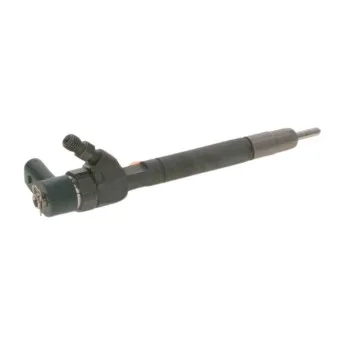
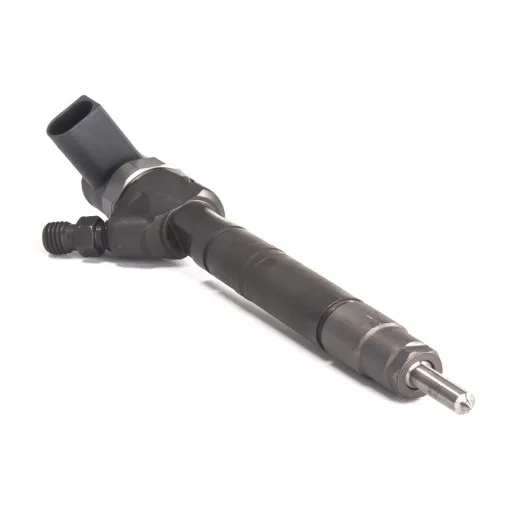
The Mercedes-Benz OM646 diesel engine, widely used in models like the C-Class, E-Class, and Sprinter from 2002 to 2009, relies on precision-engineered injectors to deliver fuel at pressures exceeding 2,000 bar, a process that demands flawless operation for both power output and emissions compliance. This category provides exchange-standard injectors specifically designed for the OM646, addressing common failure symptoms such as misfires, excessive fuel consumption, or hard starting, which often stem from degraded injector performance or internal wear.
Each injector in this range is sourced from reputable manufacturers and undergoes a remanufacturing process that includes thorough cleaning, component replacement, and rigorous testing to restore factory-level performance, ensuring compatibility with the OM646’s high-pressure common-rail system. The role of the wholesale supplier is to bridge the gap between OEM specifications and aftermarket availability, offering calibrated parts that meet or exceed original equipment standards without the premium pricing of dealership replacements.
Professional uses by trade
Different users approach injector replacement with distinct priorities: garages prioritize speed and reliability, DIY enthusiasts seek cost-effective solutions, and German buyers value precision engineering and long-term durability in their repairs.
- Le garagiste independant : Replaces faulty OM646 injectors during routine maintenance to prevent costly engine damage and customer complaints about power loss or rough idling.
- L'automobiliste depanne : Orders an exchange-standard injector online to avoid dealership wait times, ensuring their vehicle remains operational for daily commutes and long-distance travel.
- Le passionne qui fait lui-meme : Purchases a remanufactured injector for a weekend project, relying on clear compatibility data to ensure a successful DIY installation without specialized tools.
- Der deutsche Kaeufer (DACH) : Seeks injectors that meet strict German engineering standards, favoring suppliers with transparent remanufacturing processes and long-term reliability in cold climates.
- Le garagiste independant : Stocks multiple OM646 injector references to cover a wide range of Mercedes-Benz models, reducing lead times for urgent repairs and improving workshop efficiency.
- L'automobiliste depanne : Chooses exchange-standard injectors to balance affordability with performance, avoiding the expense of OEM parts while ensuring the engine runs smoothly.
- Der deutsche Kaeufer (DACH) : Prefers suppliers who provide detailed technical documentation, including OEM part numbers and calibration data, to simplify the replacement process and ensure compliance with local regulations.
Range comparison
Below, you will find a selection of exchange-standard injectors for the Mercedes-Benz OM646, each listed with its OEM reference and designed for direct replacement in models from the C-Class, E-Class, and Sprinter ranges.
| Range | Use | Format |
|---|---|---|
| Injector Bosch 0445110189 | Direct replacement for OM646 engines | |
| Injector Bosch 0445110098 | High-pressure common-rail calibration | |
| Injector Bosch 0445110201 | Compatibility with Sprinter models | |
| Injector Bosch 0445110181 | OEM-equivalent performance | |
| Injector Bosch 0445110025 | Reliable fit for C-Class engines |
How to choose
Selecting the right injector for the OM646 requires attention to compatibility, condition, and supplier reliability, as mismatched parts can lead to poor performance or further engine damage.
- Verify the injector’s OEM reference against your vehicle’s engine code to ensure a perfect match, avoiding costly mistakes in installation or performance issues.
- Inspect the injector’s condition for signs of wear, such as corrosion or damaged connectors, which could indicate a need for replacement rather than remanufacturing.
- Prioritize suppliers who provide clear documentation, including calibration data and compatibility charts, to simplify the selection process and reduce guesswork.
- Check the supplier’s stock rotation policy to ensure fresh, recently remanufactured injectors are available, minimizing the risk of receiving outdated or improperly stored parts.
- Consider the injector’s packaging and handling requirements, as improper storage can compromise its performance even before installation.
- For fleets or high-volume repairs, bulk purchasing from a trusted wholesaler ensures consistent quality and reduces per-unit costs over time.
- Evaluate the supplier’s return policy and core deposit system, which can provide cost savings and environmental benefits by recycling used injectors.
Storage & logistics
Proper storage of exchange-standard injectors is critical to maintaining their performance, as exposure to moisture, extreme temperatures, or contaminants can degrade sensitive components like seals and solenoids. Wholesale suppliers should store injectors in climate-controlled environments, away from direct sunlight and corrosive substances, with clear labeling to track batch numbers and remanufacturing dates. For garages, storing injectors in sealed, anti-static bags and avoiding contact with metal surfaces helps preserve their condition until installation, while DIY enthusiasts should keep parts in their original packaging until ready for use to prevent accidental damage.
With over 15 years of experience in diesel fuel systems, our team has seen how a single faulty injector can disrupt an entire engine’s performance, which is why we prioritize precision calibration and rigorous testing in every remanufactured part we supply.— autoKUR team
Related categories
Browse our other ranges:
Useful references
For regulatory and sector references, see Reglement (UE) 461/2010 — pieces de rechange et garantie constructeur.