

Available products
7 references


Frequently asked questions
About this category
The Mercedes-Benz 180 CDI 180 CDI 120 hp diesel engine, found in models from the late 2000s to early 2010s, is known for its durability but can develop injector issues over time. These injectors, whether in the OM651 engine family or similar configurations, are critical to fuel delivery and combustion efficiency. Whether you are a professional mechanic or a car owner tackling repairs yourself, finding the right replacement injector is essential to restoring engine performance and preventing further damage.
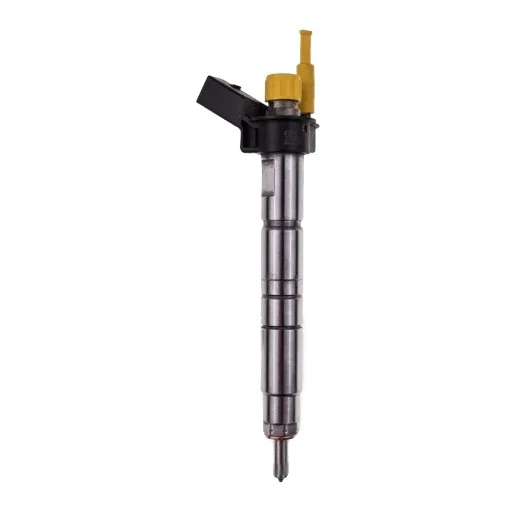
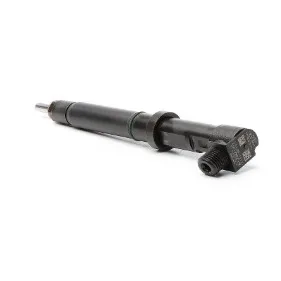
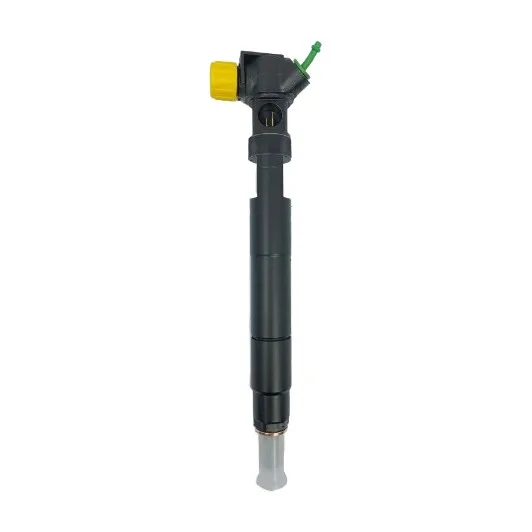
This category focuses on exchange-standard injectors specifically designed for the 180 CDI 120 hp, sourced from trusted remanufacturers like Delphi and Bosch. These parts are not new but have been professionally rebuilt to meet or exceed original equipment standards, offering a cost-effective alternative to OEM replacements. The range is curated to ensure compatibility with the engine’s fuel system, including high-pressure pumps and injectors with variable geometry or fixed geometry designs.
Professional uses by trade
Different users approach injector replacement with distinct needs: garages prioritize bulk availability and fast turnaround, while DIY enthusiasts seek clarity on fitment and return policies. Professionals also value traceable part numbers and OEM equivalences to streamline repairs.
- Le garagiste independant : Replace worn injectors in batches to minimize vehicle downtime during scheduled maintenance or diagnostic repairs.
- L'automobiliste depanne : Order a single injector for immediate replacement when the engine misfires or loses power unexpectedly.
- Le passionne qui fait lui-meme : Verify injector compatibility with the engine code before purchasing to avoid incorrect part selection.
- Der deutsche Kaeufer (DACH) : Check for core deposit policies when returning old injectors to reduce upfront costs on remanufactured replacements.
- Le garagiste independant : Use injectors with matching OEM part numbers to ensure seamless integration with the vehicle’s fuel system.
- L'automobiliste depanne : Look for injectors labeled as exchange-standard to deliver they have been professionally tested and rebuilt.
- Der deutsche Kaeufer (DACH) : Confirm the injector’s compatibility with the engine’s power output and model year to avoid mismatches.
Range comparison
Below is a comparison of exchange-standard injectors compatible with the Mercedes-Benz 180 CDI 120 hp, including OEM references and remanufactured alternatives from Delphi and Bosch.
| Range | Use | Format |
|---|---|---|
| Injector DELPHI R00002D | Direct replacement for common OM651 engines | |
| Injector Bosch 0445117035 | High-pressure diesel injector for 2.1L engines | |
| Injector DELPHI 28308779 | Replacement for engines with variable geometry injectors | |
| Injector DELPHI 28254952 | Fixed geometry injector for older OM651 variants | |
| Injector DELPHI 28236714 | Injector designed for high-mileage engines requiring remanufacture | |
| Injector DELPHI 28342997 | Injector compatible with post-2010 engine updates | |
| Injector DELPHI A6510701287 | Injector for engines with updated fuel system components |
How to choose
Selecting the right injector involves more than matching the part number; consider the engine’s condition, the injector’s geometry, and the supplier’s return policy for cores.
- Verify the engine code (e.g., OM651) to ensure the injector’s compatibility with the vehicle’s fuel system and power output.
- Check whether the injector uses variable geometry or fixed geometry, as this affects combustion efficiency and emissions compliance.
- Confirm the injector’s condition—remanufactured units should be tested for spray pattern and pressure consistency before installation.
- Review the supplier’s core deposit policy to understand the return process for old injectors and potential cost savings.
- Prioritize injectors with OEM-equivalent part numbers to avoid fitment issues during installation by a third-party professional.
- Assess the injector’s packaging and labeling to ensure it arrives in protective, anti-static conditions suitable for professional handling.
- Consider the injector’s availability in bulk for garages needing to stock replacements for multiple vehicles.
Storage & logistics
For garages and distributors, storing exchange-standard injectors requires climate-controlled environments to prevent moisture damage and electrostatic discharge. Units should be kept in sealed, labeled packaging until installation, with clear separation between remanufactured and new parts. Regular inventory rotation ensures older stock is used first, maintaining freshness and reliability. For professionals, tracking part numbers and batch codes is essential to traceability and warranty claims.
With over a decade of experience in diesel fuel systems, our team has seen how a single faulty injector can disrupt an entire engine’s performance—replacing it with a properly remanufactured unit restores both power and efficiency without the expense of OEM parts.— autoKUR team
Related categories
Browse our other ranges:
Useful references
For regulatory and sector references, see Reglement (UE) 461/2010 — pieces de rechange et garantie constructeur.