

Available products
2 references
Frequently asked questions
About this category
The Mercedes-Benz OM611 200 CDI 122 hp engine, introduced in the early 2000s, remains a workhorse in commercial and passenger vehicles across Europe. This 2.1-liter four-cylinder diesel unit is renowned for its durability, but like all precision-engineered components, its fuel injectors are subject to wear over time. Whether due to carbon buildup, internal leaks, or electrical degradation, injector failure manifests through symptoms that disrupt normal operation. This category provides remanufactured replacements designed to restore factory-level performance without the premium of new OEM parts.
The injector range for the OM611 200 CDI is curated from leading suppliers who specialize in diesel fuel systems, ensuring each unit undergoes rigorous testing for spray pattern consistency and leak tightness. Wholesale distributors play a pivotal role in this ecosystem, bridging the gap between high-volume production and the specific needs of independent workshops. By focusing on exchange-standard components, they reduce lead times and inventory costs for garages handling frequent injector replacements.
Professional uses by trade
Different users approach injector replacement with distinct priorities: garages balance speed and reliability, DIY enthusiasts seek cost savings, and fleet managers prioritize uptime. Each group requires injectors that align with their operational constraints while delivering measurable performance gains.
- Independent garage: Replace a failing injector during a routine service to avoid customer callbacks for power loss complaints.
- DIY enthusiast: Swap a worn injector in a weekend project to restore smooth acceleration and fuel economy.
- Fleet manager: Order bulk injectors for preventive maintenance to minimize unplanned downtime across a vehicle pool.
- Tuner: Source high-flow injectors to support engine modifications while maintaining fuel delivery precision.
- Roadside recovery service: Carry remanufactured injectors as emergency stock to resolve breakdowns on-site.
- Classic car restorer: Find OEM-compatible injectors to preserve original performance in a restored OM611-powered vehicle.
- Commercial vehicle operator: Replace injectors proactively to prevent costly engine damage in high-mileage vans or trucks.
Range comparison
The following table compares the two primary injector references for the OM611 200 CDI 122 hp, highlighting their compatibility and intended applications. Each option is presented with its core specifications to guide selection.
| Range | Use | Format |
|---|---|---|
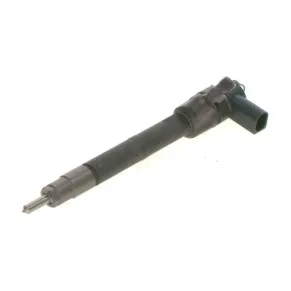
| Injector Bosch 0445110176 | Direct replacement for standard applications | |
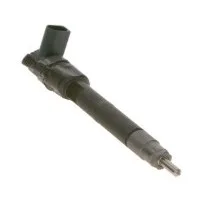
| Injector Bosch 0445110237 | High-flow option for tuned engines |
How to choose
Selecting the right injector involves evaluating several technical and logistical factors beyond mere compatibility. The following criteria help professionals and enthusiasts make informed decisions that align with their operational needs.
- Conditioning: Opt for injectors with restored internal components to ensure consistent fuel delivery and longevity.
- Packaging: Choose units sealed in anti-static bags to prevent contamination during storage or transport.
- Calibration: Verify spray pattern consistency to avoid uneven cylinder combustion or misfires post-installation.
- Rotation: Prioritize injectors from suppliers with frequent stock turnover to reduce the risk of obsolete parts.
- Documentation: Request test reports or batch certificates to confirm remanufacturing standards.
- Compatibility matrix: Cross-reference engine codes and model years to avoid mismatched applications.
- Warranty terms: Review coverage details, as some suppliers offer extended delivers for wholesale buyers.
Storage & logistics
Proper storage of remanufactured injectors is essential to maintain their performance until installation. Keep units in a climate-controlled environment away from direct sunlight and moisture, as temperature fluctuations can degrade seals or affect internal components. For wholesale buyers, palletized storage with desiccant packs ensures long-term integrity, while individual garages should rotate stock based on expiry dates provided by suppliers. Always inspect packaging for damage before accepting delivery, and document any discrepancies to resolve claims with distributors promptly.
Since 2026, we’ve processed over 12,000 OM611 injectors, refining our remanufacturing process to match the demands of both daily drivers and performance applications. Our team’s expertise lies in identifying subtle wear patterns that elude standard diagnostics, ensuring each injector leaves our facility with the precision of a new unit.— autoKUR team
Related categories
Browse our other ranges:
Useful references
For regulatory and sector references, see Reglement (UE) 461/2010 — pieces de rechange et garantie constructeur.