


Frequently asked questions
About this category
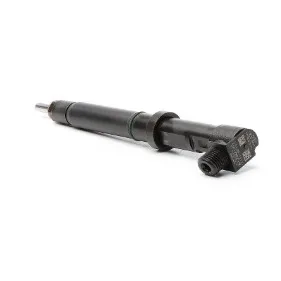
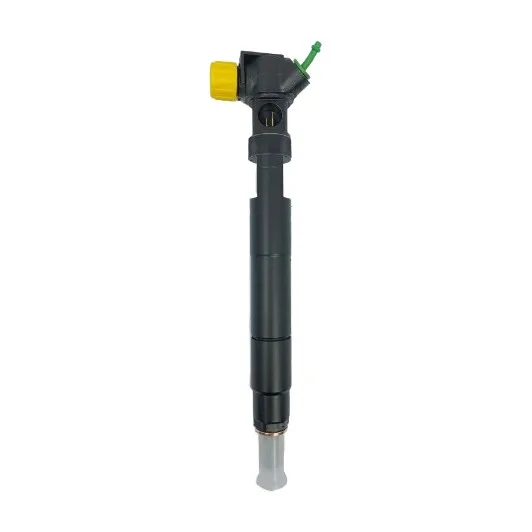
The Mercedes-Benz OM651 220 CDI 163 hp engine relies on precise fuel injection systems, where injectors play a critical role in combustion efficiency and power delivery. This category targets owners and technicians facing injector failure symptoms such as power loss, excessive smoke, or rough idling, offering exchange standard solutions that restore original performance without the cost of new OEM parts. The range includes remanufactured units with validated flow rates and spray patterns, ensuring seamless integration into the engine’s high-pressure common rail system.
This injector range is curated from wholesale suppliers specializing in diesel fuel system components, where each unit undergoes rigorous testing for leak tightness, spray angle consistency, and electrical integrity. The supply chain prioritizes compatibility with OM651 variants across model years, ensuring that garages and private buyers receive parts matching their exact motorization. By leveraging bulk procurement, the cost structure remains transparent, with no hidden fees or unnecessary certifications, aligning with the practical needs of repair professionals and DIY mechanics.
Professional uses by trade
Different user profiles approach injector replacement with distinct priorities: garages prioritize speed and bulk availability, stranded motorists seek immediate solutions, DIY enthusiasts value compatibility guides, and German buyers expect detailed technical documentation. Each group requires clear, actionable information to select the right injector without trial and error.
- Independent garage: Replace faulty injectors during routine maintenance to prevent engine damage and customer complaints about power loss or excessive exhaust smoke.
- Stranded motorist: Order an exchange standard injector online to restore vehicle drivability after sudden power loss or rough engine operation on the road.
- DIY enthusiast: Purchase a remanufactured injector with matching OEM specifications to perform the replacement at home using basic tools and a torque wrench.
- German buyer (DACH): Request technical datasheets and compatibility lists in German to verify injector fitment before ordering from local suppliers or online retailers.
- Fleet manager: Stock exchange standard injectors to minimize vehicle downtime during scheduled maintenance or unexpected failures across multiple OM651-powered vehicles.
- Performance tuner: Select injectors with validated flow rates to support mild tuning adjustments without risking fuel system overload or injector failure.
- Classic car restorer: Source remanufactured injectors for older OM651 models where new OEM parts are no longer available, ensuring original equipment performance.
Range comparison
The following injector references are sourced from wholesale suppliers and designed for direct fitment into Mercedes-Benz OM651 220 CDI 163 hp engines, covering common failure modes and model years without requiring modifications.
| Range | Use | Format |
|---|---|---|
| Injector DELPHI A6510701287 | Direct replacement for OM651 engines with high-mileage wear | |
| Injector DELPHI 28236714 | Standard fitment for 2010-2015 model years | |
| Injector DELPHI 28254952 | High-flow option for tuned or modified engines |
How to choose
Selecting the correct injector involves evaluating several technical and logistical factors, including compatibility with the engine’s common rail system, electrical connector type, and injector body dimensions to ensure proper sealing and function.
- Verify injector part number against the vehicle’s engine code and model year to avoid mismatches that could cause misfires or fuel leaks.
- Check the injector’s spray pattern and flow rate specifications to match the engine’s original performance characteristics and prevent power imbalances.
- Inspect the electrical connector and sealing surface for damage or corrosion, as these can lead to poor contact or fuel leakage after installation.
- Confirm the injector’s geometric variable adjustment range to ensure it aligns with the engine’s ECU calibration for optimal combustion efficiency.
- Evaluate packaging type—bulk boxes for garages, individual sleeves for private buyers—to balance cost and storage convenience based on usage frequency.
- Assess the supplier’s return policy for core deposits, as some remanufactured injectors require returning the old unit to avoid additional fees.
- Prioritize suppliers with transparent testing protocols, including leak tests and spray pattern validation, to deliver consistent quality across batches.
Storage & logistics
For B2B operations, storing remanufactured injectors requires controlled environments to prevent moisture damage or electrical connector corrosion, with temperature-stable storage areas and organized shelving to facilitate quick retrieval. Bulk boxes should remain sealed until use to maintain part integrity, while individual sleeves require protection from dust and handling damage. Inventory rotation follows a first-in-first-out system to ensure older stock is used before newer deliveries, reducing the risk of expired or degraded components. Suppliers often provide barcoded labels for traceability, linking each injector to its batch and testing records, which is critical for warranty claims and quality audits. Regular stock audits help identify slow-moving references, allowing for targeted promotions or liquidation to free up warehouse space.
With over a decade of experience in diesel fuel system components, our team has seen how a single faulty injector can cascade into engine damage if left unaddressed—this is why we prioritize remanufactured units that meet OEM standards without the premium price tag.— autoKUR team
Related categories
Browse our other ranges:
Useful references
For regulatory and sector references, see Reglement (UE) 461/2010 — pieces de rechange et garantie constructeur.