
Available products
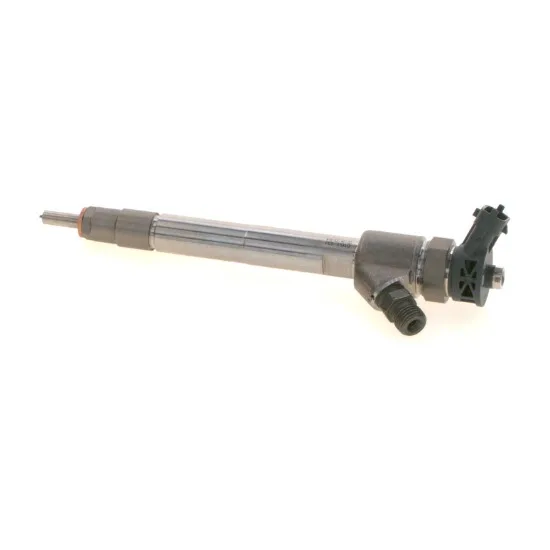
In stock
The FORD Tourneo Connect 1.5 EcoBlue 75 hp (55 kW diesel) is covered by 1 exchange-standard reference(s). Check output before displacement: it determines the part.
Engine specification: 1499 cm³, diesel, built since 05/2018. Matching part number: 0445110954 (Bosch). Compare with the code stamped on your part.
Other engines of the FORD Tourneo Connect: 1.5 EcoBlue 120 hp, 1.8 TDCi 110 hp, 1.5 EcoBlue 101 hp. If the code stamped on your part is legible, search by reference remains the safest route. 24-month warranty.
Related categories
Frequently asked questions
About this category
The 1.5 EcoBlue injector category addresses a common failure point in Ford’s modern diesel engines, where the high-pressure common rail system demands precision components to maintain power delivery and emissions compliance. This range serves independent garages, self-repairing enthusiasts, and German-speaking buyers seeking reliable exchange standard solutions without the delays of OEM ordering. Here, you’ll find remanufactured injectors designed to slot directly into engines like the 1.5 EcoBlue 75 hp, ensuring compatibility with minimal downtime for vehicles across model years.
Our injector range is built around the needs of workshops and do-it-yourself mechanics, prioritizing compatibility and ease of installation over brand loyalty. By partnering with wholesale suppliers who specialize in remanufacturing, we offer a curated selection of exchange standard injectors that bypass the inefficiencies of traditional parts sourcing. This approach ensures consistent availability, even for less common calibers, while maintaining the quality standards expected by professionals who cannot afford repeated failures.
Professional uses by trade
Different users approach injector replacement with distinct priorities: garages balance speed and reliability, while enthusiasts prioritize cost and self-sufficiency, and German buyers often seek parts that align with local workshop practices and regulatory expectations.
- Le garagiste independant : Replaces a failing injector in a 2020 Ford Transit with 1.5 EcoBlue to restore full power delivery and pass emissions tests without waiting for OEM parts.
- L'automobiliste depanne : Diagnoses a misfiring engine in their Ford Focus 1.5 EcoBlue by swapping the faulty injector with an exchange standard unit, avoiding costly dealership visits.
- Le passionne qui fait lui-meme : Sources a remanufactured injector for their Ford Puma 1.5 EcoBlue to complete the repair themselves, using basic tools and a torque wrench for precision.
- Der deutsche Kaeufer (DACH) : Orders an injector for a Ford Kuga 1.5 EcoBlue from a local supplier, ensuring the part meets German workshop standards and avoids import delays.
- Le garagiste independant : Uses exchange standard injectors as a temporary fix for a customer’s vehicle while waiting for a new OEM part to arrive, minimizing vehicle downtime.
- L'automobiliste depanne : Purchases a Bosch remanufactured injector for their Ford Fiesta 1.5 EcoBlue after noticing excessive fuel consumption and black smoke from the exhaust.
- Der deutsche Kaeufer (DACH) : Selects an injector with a known core deposit policy to simplify the return of the old part, aligning with local recycling and warranty practices.
Range comparison
This section compares exchange standard injectors by their functional attributes, helping buyers identify the right unit for their specific engine configuration and usage context.
| Range | Use | Format |
|---|---|---|
| Injector Bosch 0445110954 | Direct replacement for 1.5 EcoBlue 75 hp |
How to choose
Selecting the correct injector involves evaluating factors like compatibility with the engine’s ECU, the remanufacturer’s reputation, and the part’s packaging to ensure it arrives ready for immediate installation.
- Conditioning: Opt for injectors packaged in protective sleeves to prevent damage during transit, especially when ordering from international suppliers.
- Conservation: Store spare injectors in a dry, temperature-controlled environment to maintain their calibration and prevent corrosion over time.
- Regularity: Choose suppliers who rotate stock frequently to avoid selling units that have been sitting in warehouses for extended periods.
- Rotation: Prefer injectors from remanufacturers with a proven track record in diesel systems, as their processes are more likely to meet original equipment tolerances.
- Compatibility: Verify the injector’s OEM reference and equivalent codes match your engine’s build year and power output to avoid installation issues.
- Core deposit: Select parts with a clear core return policy to simplify the process of exchanging your old injector and reduce upfront costs.
- Warranty terms: Review the supplier’s warranty details, focusing on coverage duration and conditions, to ensure protection against premature failure.
Storage & logistics
For workshops and bulk buyers, proper storage of exchange standard injectors is critical to preserving their functionality until installation. Keep units in their original packaging or sealed containers to protect against moisture and contaminants, and store them in a climate-controlled space away from direct sunlight. Label each batch with the part number and installation date to track rotation and ensure older stock is used first. Avoid stacking heavy items on top of injector boxes, as this can deform seals or shift internal components. For German buyers, adherence to local storage guidelines—such as those outlined in VDA standards—helps maintain part integrity and simplifies compliance with workshop audits.
With over a decade of supplying European workshops, our team has seen how a single faulty injector can cascade into costly engine damage, which is why we prioritize remanufactured units that meet or exceed original specifications—no shortcuts, just consistent quality.— autoKUR team
Related categories
Browse our other ranges:
Useful references
For regulatory and sector references, see Reglement (UE) 461/2010 — pieces de rechange et garantie constructeur.