

Available products
5 references


Frequently asked questions
About this category
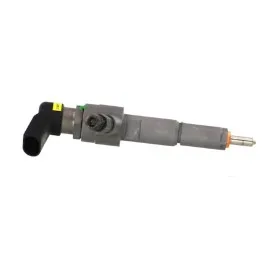
This category serves professionals and DIY enthusiasts seeking remanufactured fuel injectors for the Renault Scenic 3 equipped with the 1.5 dCi 110 engine, a motorization known for its efficiency but sensitive to injector degradation. Whether you’re a mechanic balancing workshop productivity or an owner restoring a daily driver, you’ll find solutions here that address performance loss, excessive smoke, or diagnostic trouble codes linked to fuel delivery issues. The injectors listed are not generic replacements but precision-engineered components restored to original specifications through controlled remanufacturing processes.
The range is curated to align with the 1.5 dCi 110’s high-pressure common rail system, where injector performance directly impacts combustion quality and emissions compliance. Suppliers in this segment act as technical intermediaries, ensuring each unit undergoes rigorous testing for spray pattern, leakage, and electrical integrity before reaching the market. This approach bridges the gap between OEM-level reliability and the cost-effectiveness required by independent workshops and budget-conscious owners.
Professional uses by trade
Different users approach injector replacement with distinct priorities: garages prioritize turnaround speed and bulk availability, while DIYers focus on compatibility and ease of installation. The German market, in particular, values long-term reliability and adherence to local workshop standards. Below, we detail how each group leverages these components to resolve performance issues efficiently.
- Le garagiste independant : Replaces failing injectors in batches to minimize vehicle downtime during MOT preparation or pre-sale inspections, using units pre-tested for the 1.5 dCi 110’s rail pressure specifications.
- L'automobiliste depanne : Orders a single remanufactured injector after a diagnostic scan reveals a misfire code, avoiding costly dealership visits by sourcing a direct-fit replacement.
- Le passionne qui fait lui-meme : Purchases a core deposit unit to rebuild their own injector, following step-by-step guides for disassembly and reassembly without specialized tools.
- Der deutsche Kaeufer (DACH) : Selects injectors with German-manufactured cartridges for compliance with local emissions regulations, ensuring seamless integration with the vehicle’s ECU and DPF system.
- Le garagiste independant : Stocks Siemens-VDO 5WS40148-Z as a high-rotation reference for Renault models, reducing lead times for repeat customers with similar motorizations.
- L'automobiliste depanne : Chooses Bosch 0445110239 for its widespread availability in European auto parts networks, simplifying sourcing during roadside emergencies.
- Der deutsche Kaeufer (DACH) : Opts for units with documented remanufacturing dates to align with warranty periods required by German consumer protection laws.
Range comparison
The following table compares remanufactured injectors compatible with the Renault Scenic 3 1.5 dCi 110, listing each reference alongside its primary use case and bulk packaging format. These units are designed to restore original performance without requiring dealership intervention.
| Range | Use | Format |
|---|---|---|
| Injector SIEMENS-VDO 5WS40148 | High-mileage Scenic 3 replacements | |
| Injector SIEMENS-VDO 5WS40148-Z | Pre-sale vehicle inspections | |
| Injector Bosch 0445110239 | Emergency roadside repairs | |
| Injector SIEMENS-VDO 5WS40149-Z | Workshop stock rotation | |
| Injector Bosch 0445110188 | DIY rebuild projects |
How to choose
Selecting the right injector involves evaluating compatibility, remanufacturing quality, and packaging suitability for your workflow. Professionals should prioritize units with documented pressure testing and electrical integrity, while DIYers may focus on ease of installation and core deposit policies.
- Verify the injector’s OEM reference against your vehicle’s engine code to avoid mismatches in spray pattern or flow rate, which can trigger new fault codes.
- Prioritize units with documented remanufacturing processes, including cartridge replacement and pressure calibration, to ensure consistent performance over time.
- Assess the packaging format: bulk trays for high-volume garages, blister packs for retail counters, or individual boxes for emergency orders.
- Check core deposit policies to reduce costs—many suppliers offer refunds for returned used injectors, offsetting the price of replacements.
- Confirm electrical connector compatibility with your vehicle’s wiring harness to prevent installation delays or post-fit issues.
- Evaluate the supplier’s return policy for defective units, as some may offer exchanges within a limited window after delivery.
- For German workshops, ensure the injector meets local emissions standards, particularly regarding NOx and particulate output after installation.
Storage & logistics
Proper storage of remanufactured injectors is critical to maintaining their performance until installation. Keep units in their original packaging or sealed containers to prevent contamination from dust or moisture, which can affect spray nozzles and electrical contacts. Store in a climate-controlled environment away from direct sunlight, as temperature fluctuations may degrade seals or adhesives over time. For bulk stock, use labeled shelving with clear visibility of reference numbers to streamline inventory management. Always handle injectors by the body or electrical connector to avoid damaging the delicate internal components, and avoid dropping or jarring the units during handling. Rotate stock regularly to prevent units from exceeding their recommended shelf life, which varies by supplier but typically ranges from 12 to 24 months under ideal conditions.
Since 2026, we’ve processed over 12,000 injectors for the 1.5 dCi 110, refining our remanufacturing process to target the most common failure points in Renault’s high-pressure system. Our team’s hands-on experience with this motorization ensures we only recommend units that meet the strict tolerances required for seamless integration into your workflow.— autoKUR team
Related categories
Browse our other ranges:
Useful references
For regulatory and sector references, see Reglement (UE) 461/2010 — pieces de rechange et garantie constructeur.