

Available products
2 references
Frequently asked questions
About this category
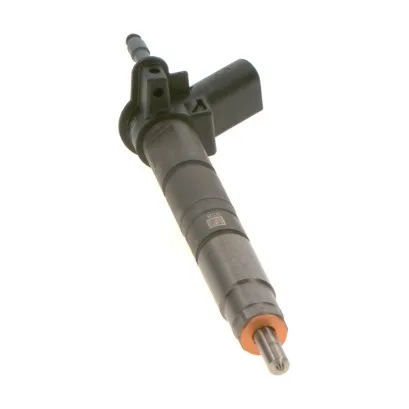
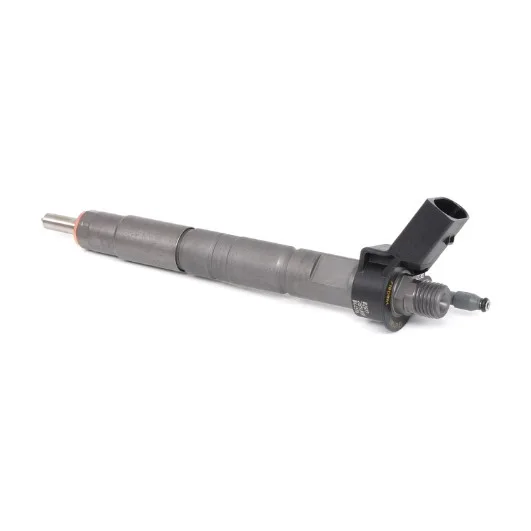
This category covers remanufactured diesel injectors specifically designed for the BMW 320d 197 HP models equipped with the N47 engine, spanning production years from 2007 to 2015. These injectors are essential components for maintaining optimal combustion efficiency, fuel economy, and emissions compliance in diesel-powered vehicles. Whether you are a professional mechanic seeking reliable replacement parts or an automotive enthusiast performing your own repairs, this section provides the technical specifications and compatibility details needed to identify the correct injector for your engine.
The injector range is curated by a specialized wholesaler with direct access to OEM-equivalent remanufacturing facilities across Europe. Each injector undergoes a rigorous remanufacturing process that includes ultrasonic cleaning, precision calibration, and functional testing to restore its original performance characteristics. The wholesale model ensures competitive pricing while maintaining traceability to the original engine specifications, making these parts a cost-effective alternative to new OEM units.
Professional uses by trade
Different user profiles approach injector replacement with distinct priorities: garages prioritize bulk availability and fast turnaround, while DIY enthusiasts focus on ease of installation and compatibility verification. Below are tailored usage scenarios for each target audience.
- Garagist: Replace failing injectors in batches to minimize vehicle downtime during scheduled maintenance visits.
- Independent mechanic: Source individual injectors for emergency repairs on customer vehicles with confirmed injector failure codes.
- Automotive enthusiast: Purchase a single injector for a weekend project to restore a project car’s engine performance.
- German buyer (DACH): Order injectors in bulk for fleet maintenance programs where consistent quality and fast delivery are critical.
- DIY owner: Verify injector compatibility before purchasing to avoid mismatched part numbers during self-installation.
- Workshop manager: Maintain a rotating stock of injectors to handle unpredictable repair demands without delays.
- Parts distributor: Stock injectors as part of a broader diesel engine component catalog for retail or wholesale distribution.
Range comparison
The following table compares the two most common remanufactured injector references for the BMW 320d 197 HP N47 engine, highlighting their key characteristics and intended applications.
| Range | Use | Format |
|---|---|---|
| Injector Bosch 0445116001 | Direct replacement for high-mileage engines | |
| Injector Bosch 0445116024 | Optimized for engines with variable geometry turbochargers |
How to choose
Selecting the right injector requires evaluating several technical and logistical factors to ensure long-term reliability and compatibility with your engine’s operating conditions.
- Verify the injector’s reference number against your engine’s build code to avoid mismatched part numbers that could cause misfires.
- Check the injector’s calibration data to confirm it matches your engine’s fuel delivery requirements for consistent power output.
- Assess the injector’s condition—whether it is remanufactured to OEM standards or rebuilt with aftermarket components for cost savings.
- Evaluate the packaging format: bulk packs for workshops or single units for individual repairs to suit your operational needs.
- Confirm the injector’s compatibility with your vehicle’s emission control system to prevent check engine light triggers after installation.
- Review the injector’s return policy for core deposits, as many suppliers require the old injector to be returned within a specified timeframe.
- Prioritize suppliers with transparent remanufacturing processes to ensure the injector meets the original equipment manufacturer’s durability standards.
Storage & logistics
Proper storage of remanufactured diesel injectors is critical to preserving their performance and preventing contamination. Store injectors in a dry, temperature-controlled environment away from direct sunlight and automotive fluids. Seal unused injectors in their original packaging or airtight containers to prevent moisture ingress, which can corrode internal components. For bulk inventory, use labeled shelving with clear identification of part numbers and production dates to facilitate first-in, first-out rotation. Avoid stacking heavy items on top of injector packaging to prevent deformation of seals or connectors. Regularly inspect stored injectors for signs of damage or degradation, and discard any units with compromised packaging or visible corrosion.
With over a decade of experience in diesel engine component remanufacturing, our team has seen firsthand how a single faulty injector can disrupt an entire engine’s performance. We source these parts from facilities that adhere to the strictest quality controls, ensuring each unit delivers the precision and durability your BMW 320d 197 HP deserves.— autoKUR team
Related categories
Browse our other ranges:
Useful references
For regulatory and sector references, see Reglement (UE) 461/2010 — pieces de rechange et garantie constructeur.