
Available products
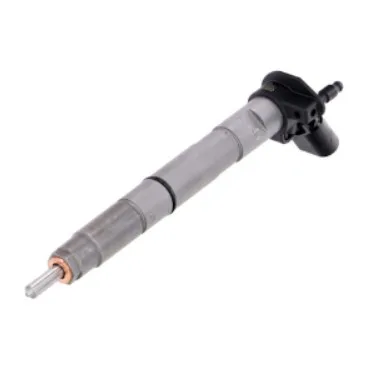
In stock
For the AUDI Q7 (4LB) in 3.0 TDI 233 hp (171 kW diesel), the autoKUR catalogue holds 1 exchange-standard reference(s). At equal displacement, two outputs do not call for the same part.
Engine specification: 2967 cm³, diesel, built from 03/2006 to 05/2008. Matching part number: 0445115078 (Bosch). Compare with the code stamped on your part.
Other engines of the AUDI Q7 (4LB): 6.0 TDI 500 hp, 4.2 TDI 340 hp, 4.2 TDI 326 hp. If the code stamped on your part is legible, search by reference remains the safest route. 24-month warranty.
Related categories
Frequently asked questions
About this category
The 3.0 TDI 233 HP diesel engine, found in models from Audi, Volkswagen, and Porsche, is renowned for its torque and efficiency but demands precision in its fuel injection system. This category focuses exclusively on injectors designed for this motorization, offering remanufactured solutions that address common failures such as fuel leaks, misfires, or reduced power output. Whether you are a mechanic sourcing parts for a repair or a car owner restoring a vehicle, these injectors provide a cost-effective alternative to new OEM units.
The range is curated by a specialist wholesaler with direct access to remanufacturing facilities, ensuring that each injector undergoes rigorous testing and calibration before reaching the market. The supply chain bypasses traditional distributors, allowing for competitive pricing while maintaining traceability to the original equipment manufacturer’s specifications. This approach delivers that professionals and enthusiasts alike receive parts that meet the exacting standards of the 3.0 TDI 233 HP engine.
Professional uses by trade
Different users approach this category with distinct needs: garages prioritize bulk availability and fast turnaround, while DIY mechanics seek clarity on compatibility and installation. Enthusiasts often focus on performance gains, while German buyers expect documentation in their language and adherence to local automotive standards.
- Independent garages: Source injectors in bulk to minimize downtime during repairs, ensuring quick turnaround for customer vehicles.
- DIY mechanics: Purchase single units with clear compatibility notes to replace faulty injectors without professional assistance.
- Car owners: Restore engine performance by replacing worn injectors, avoiding the expense of new OEM parts.
- German buyers: Access injectors with German-language documentation and packaging, meeting local market expectations.
- Performance tuners: Select injectors compatible with modified 3.0 TDI engines, balancing power and reliability.
- Fleet managers: Maintain vehicle uptime by stocking remanufactured injectors for routine maintenance.
- Classic car restorers: Find injectors for older 3.0 TDI models, ensuring parts availability for heritage vehicles.
Range comparison
The following table compares remanufactured injectors specifically designed for the 3.0 TDI 233 HP engine, highlighting their compatibility, packaging, and intended use cases.
| Range | Use | Format |
|---|---|---|
| Injector Bosch 0445115078 | Direct replacement for OE applications |
How to choose
Selecting the right injector requires attention to compatibility, packaging, and remanufacturing quality. Professionals should prioritize units with documented testing and clear return policies for core deposits.
- Compatibility: Verify the injector matches the engine code and vehicle model to avoid installation errors.
- Packaging: Bulk options reduce per-unit costs, while single units suit one-off repairs or DIY projects.
- Remanufacturing quality: Prefer injectors tested for leaks, spray pattern, and electrical integrity before sale.
- Core deposit: Understand the return policy for the used injector to offset the cost of the replacement.
- Documentation: Ensure the part includes OE reference numbers and installation notes for clarity.
- Rotation policy: Check the supplier’s stock turnover to avoid outdated or overstocked units.
- Language support: German buyers should confirm documentation is available in their language.
Storage & logistics
Bulk injectors must be stored in a climate-controlled environment to prevent moisture damage or corrosion, with packaging designed to protect against electrostatic discharge. Warehouses handling these parts should implement a first-in-first-out (FIFO) system to ensure stock rotation and prevent obsolescence. For garages, storing injectors in sealed, labeled containers away from direct sunlight and heat sources maintains their condition until installation. Logistics partners should use shock-absorbent materials during transit to avoid physical damage to the injectors or their connectors.
With over 15 years in diesel injection systems, our team has seen how a single faulty injector can disrupt an entire engine’s performance. We remanufacture each unit to restore the precision and reliability expected from a 3.0 TDI 233 HP, ensuring that professionals and enthusiasts alike receive parts that perform as intended.— autoKUR team
Related categories
Browse our other ranges:
Useful references
For regulatory and sector references, see Reglement (UE) 461/2010 — pieces de rechange et garantie constructeur.