


Frequently asked questions
About this category
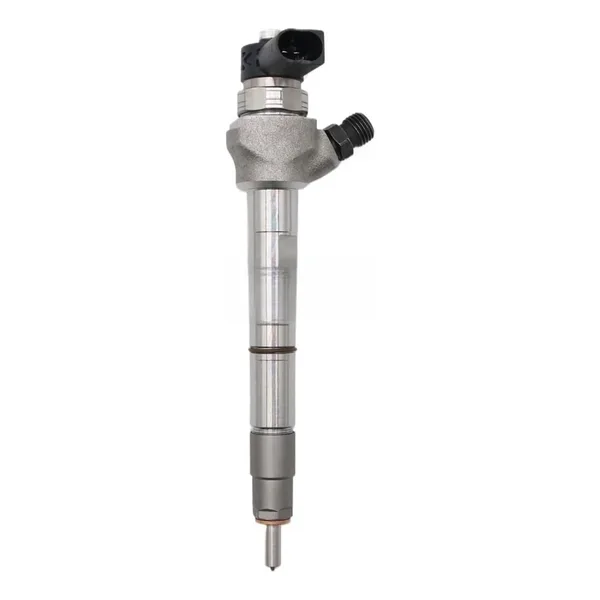
The 2.0 TDI 190 hp engine, widely used in Volkswagen Group vehicles from the mid-2000s onward, relies on precise fuel injection to deliver both power and efficiency. This category addresses the common failures of high-pressure injectors in these engines, offering exchange standard solutions that restore original performance without the expense of brand-new OEM parts. Whether you are a professional mechanic facing a repeat failure or an owner conducting a DIY repair, the right injector ensures the engine runs smoothly, with no compromise on combustion quality or emissions compliance.
This range is built around the core principle of exchange standard remanufacturing, where used injectors are restored to factory-like condition through rigorous processes that include cleaning, testing, and calibration. The role of the wholesaler in this context is to provide a curated selection of parts that meet the exacting standards of the 2.0 TDI 190 hp platform, ensuring that garages and owners receive components that integrate seamlessly with the engine’s existing systems. The focus is on reliability, as these injectors must perform under the high pressures and temperatures characteristic of TDI engines.
Professional uses by trade
Different users approach injector replacement with distinct priorities: garages prioritize bulk availability and fast turnaround, while DIY enthusiasts seek clear compatibility and straightforward installation. The following breakdown highlights how each group leverages exchange standard injectors to resolve common issues efficiently.
- Le garagiste independant : Replaces failing injectors in bulk to minimize vehicle downtime, ensuring each replacement meets OEM performance benchmarks for customer satisfaction.
- L'automobiliste depanne : Orders a single exchange standard injector to address misfires or power loss, avoiding the cost of a full OEM replacement while restoring engine responsiveness.
- Le passionne qui fait lui-meme : Selects an injector with clear compatibility notes to ensure a smooth DIY installation, focusing on parts that match the engine’s original specifications.
- Der deutsche Kaeufer (DACH) : Prefers exchange standard injectors that align with local workshop practices, where remanufactured parts are a standard solution for TDI engine repairs.
- Le garagiste independant : Uses exchange standard injectors as a cost-effective alternative to new OEM parts, maintaining profit margins while delivering reliable repairs to clients.
- L'automobiliste depanne : Chooses an injector based on symptom matching, such as rough idling or excessive smoke, to pinpoint the exact failure without unnecessary part swapping.
- Le passionne qui fait lui-meme : Verifies injector compatibility with the engine code and model year to ensure the part fits without modifications or adjustments during installation.
Range comparison
The following table compares the available exchange standard injectors for the 2.0 TDI 190 hp, listing their key attributes to help professionals and owners make an informed choice based on their specific needs.
| Range | Use | Format |
|---|---|---|
| Injector Bosch 0445110471 | Direct replacement for common failure scenarios | |
| Injector Bosch 0445110642 | High-flow option for tuned or modified engines |
How to choose
Selecting the right injector involves evaluating several factors beyond mere compatibility, including packaging, storage conditions, and the supplier’s ability to deliver consistent quality across batches.
- Conditioning: Opt for injectors supplied in sealed, anti-static packaging to prevent contamination during storage or transit to the workshop.
- Conservation: Ensure the part is stored in a climate-controlled environment to avoid moisture damage or corrosion before installation.
- Regularity: Choose a supplier with a proven track record of delivering parts that meet the same tolerances as the original equipment.
- Rotation: Prioritize injectors from batches with recent manufacturing dates to reduce the risk of premature wear or failure post-installation.
- Compatibility: Verify the injector’s fitment with the specific engine code and model year to avoid mismatches in critical applications.
- Brand consistency: Select injectors from reputable manufacturers to ensure the remanufacturing process adheres to industry standards.
- Lead time: Assess the supplier’s ability to fulfill orders promptly, especially for urgent repairs where vehicle downtime is costly.
Storage & logistics
For garages and workshops, proper storage of exchange standard injectors is essential to maintain their performance and longevity. These components should be kept in a dry, temperature-controlled environment, away from direct sunlight and sources of vibration, which can compromise their internal seals or calibration. Inventory should be rotated based on first-in, first-out principles to prevent parts from sitting unused for extended periods, as prolonged storage can degrade the integrity of the remanufactured components. Additionally, injectors must be handled with care to avoid physical damage to the connectors or nozzle assemblies, which could lead to leaks or improper fuel delivery. A dedicated storage system, such as labeled bins or shelving units, helps organize parts by model and engine code, streamlining the selection process during busy repair schedules.
With over a decade of experience in sourcing remanufactured injectors for TDI engines, our team understands the critical role these components play in maintaining engine performance and reliability.— autoKUR team
Related categories
Browse our other ranges:
Useful references
For regulatory and sector references, see Reglement (UE) 461/2010 — pieces de rechange et garantie constructeur.