


Frequently asked questions
About this category
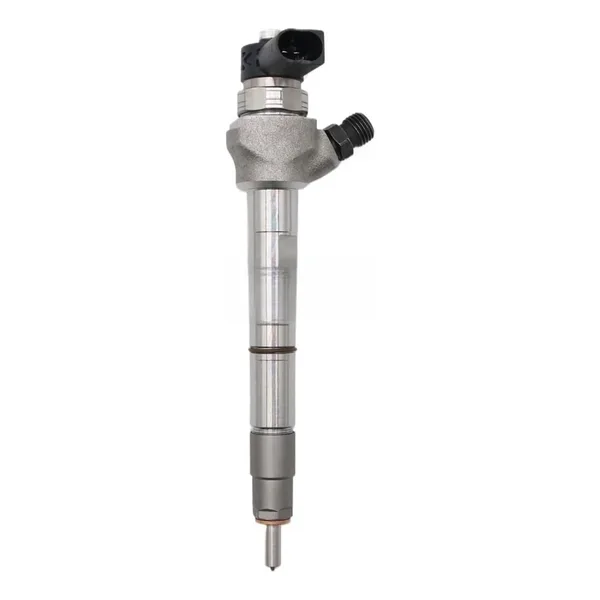
The Volkswagen 2.0 TDI 184 HP engine, widely used in models from 2010 to 2020, relies on precise fuel delivery through its high-pressure injectors to maintain power output and emissions compliance. This category addresses the common need for injector replacement in exchange standard condition, where remanufactured units restore original performance without the expense of new OEM parts. Whether for a professional mechanic diagnosing a misfire or an owner performing DIY repairs, the focus remains on compatibility and reliability across the engine’s lifespan.
This range is built for professionals who prioritize efficiency in sourcing, with injectors selected for their consistent performance in exchange standard programs. The wholesale model ensures garages can maintain stock levels that align with workshop demand, while the exchange standard process delivers each unit has undergone rigorous testing for flow consistency and leak tightness. The role of the supplier here is to bridge the gap between OEM specifications and cost-effective alternatives, without compromising on the technical requirements of the 2.0 TDI 184 HP application.
Professional uses by trade
Different users approach injector replacement with distinct priorities: garages need bulk availability and traceability, DIY enthusiasts seek clear compatibility guides, and German buyers expect documentation in their language. Each group requires precise information to select the right injector for their specific motorization.
- Le garagiste independant : Replaces worn injectors in bulk to minimize vehicle downtime while maintaining workshop profitability through efficient stock rotation.
- L'automobiliste depanne : Orders an exchange standard injector after diagnosing a misfire or power loss, ensuring a direct replacement without OEM pricing.
- Le passionne qui fait lui-meme : Selects an injector based on exact OEM reference to perform the swap at home, avoiding costly garage visits.
- Der deutsche Kaeufer (DACH) : Verifies injector compatibility with local Volkswagen models, often preferring documentation in German for clarity.
- Le garagiste independant : Uses exchange standard injectors to offer customers a cost-effective alternative to new OEM parts without sacrificing quality.
- L'automobiliste depanne : Relies on exchange standard injectors to restore engine performance after detecting irregular fuel delivery symptoms.
- Der deutsche Kaeufer (DACH) : Prioritizes injectors with clear OEM equivalences to ensure seamless integration into Volkswagen 2.0 TDI systems.
Range comparison
Below, you will find the exchange standard injectors available for the Volkswagen 2.0 TDI 184 HP, listed with their exact OEM references and core deposit requirements to facilitate the return of used units.
| Range | Use | Format |
|---|---|---|
| Injector Bosch 0445110642 | Direct replacement for 2010-2014 models | |
| Injector Bosch 0445110471 | Compatible with 2015-2020 variants |
How to choose
Selecting the correct injector involves verifying motorization details, understanding core deposit policies, and assessing packaging options for your workflow. Each factor impacts both cost and operational efficiency in a professional setting.
- Verify the engine code and model year to ensure the injector matches the exact motorization specifications of the 2.0 TDI 184 HP.
- Confirm core deposit requirements to avoid unexpected fees when returning the used injector for recycling or remanufacturing.
- Assess packaging size—bulk cases for garages or individual units for DIY—to align with your inventory or project needs.
- Check OEM equivalences to confirm compatibility with Volkswagen’s original part numbers across different model years.
- Prioritize injectors from suppliers with a track record in exchange standard programs to ensure consistent quality and performance.
- Evaluate the supplier’s return process for used injectors to streamline logistics and reduce administrative overhead.
- Consider the supplier’s language support, especially for German-speaking buyers who require documentation in their native language.
Storage & logistics
For professional workshops, storing exchange standard injectors requires controlled conditions to maintain their calibrated state until installation. Units should be kept in their original packaging, away from moisture and temperature extremes, with clear labeling for quick identification. Inventory rotation follows a first-in-first-out system to ensure injectors are used within their recommended shelf life, typically 12-24 months depending on storage conditions. Bulk packaging is designed for efficient handling, with cases stackable to optimize shelf space while protecting the injectors from physical damage. Suppliers often provide barcoded labels for traceability, linking each unit to its motorization compatibility and core deposit status, which simplifies both stock management and return logistics.
With over a decade of experience in exchange standard programs, our team ensures every injector meets the stringent requirements of the 2.0 TDI 184 HP application, providing garages and owners with reliable replacements that restore engine performance without compromise.— autoKUR team
Related categories
Browse our other ranges:
Useful references
For regulatory and sector references, see Reglement (UE) 461/2010 — pieces de rechange et garantie constructeur.