
Available products
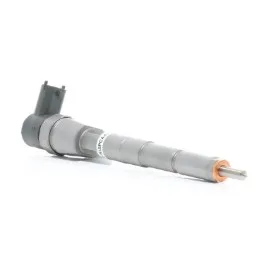
In stock
1 exchange-standard reference(s) match the AUDI A8 D2 (4D2 / 4D8) 3.3 TDI 224 hp (165 kW diesel). Output is the deciding criterion: a part meant for another output of the same displacement will not fit.
Engine specification: 3328 cm³, diesel, built from 06/2000 to 09/2002. Matching part number: 0445110113 (Bosch). Compare with the code stamped on your part.
This is the only listed engine of the AUDI A8 D2 (4D2 / 4D8). The code stamped on your part confirms the match: search by reference. 24-month warranty.
Frequently asked questions
About this category
The 3.3 TDI 224 hp injector category serves Volkswagen diesel owners and repair professionals seeking high-quality exchange standard components for engines prone to injector failure, particularly in models from the mid-2000s to early 2010s. This range addresses a critical need in the aftermarket, where OEM replacements often carry prohibitive costs or long lead times, while remanufactured units provide a balance of affordability and reliability. The injectors listed here are designed to restore original performance levels without the environmental burden of full replacement.
This injector range is curated by a specialist wholesaler with direct ties to European remanufacturing hubs, ensuring each part undergoes rigorous testing for spray pattern accuracy, electrical integrity, and leak resistance. The selection prioritizes compatibility with Volkswagen’s 3.3 TDI platform, covering variations across different model years and power outputs, while maintaining a streamlined inventory to minimize obsolescence risks for B2B clients.
Professional uses by trade
Different user profiles leverage this injector range for distinct purposes: garages prioritize bulk availability and traceability, DIY enthusiasts seek plug-and-play solutions, and German-speaking markets value clear technical documentation and consignment options for used cores.
- Le garagiste independant : Replaces faulty injectors in bulk to reduce vehicle downtime, leveraging pre-verified compatibility with Volkswagen’s 3.3 TDI engine variants across model years.
- L'automobiliste depanne : Orders a single injector for immediate installation when symptoms like misfiring or white smoke indicate a failing unit, avoiding costly dealership visits.
- Le passionne qui fait lui-meme : Purchases an exchange standard injector to perform the replacement themselves, benefiting from clear OEM reference matching and reduced labor costs.
- Der deutsche Kaeufer (DACH) : Prefers injectors with German-language technical datasheets and consignment options for core returns, aligning with local workshop practices and environmental regulations.
- Le garagiste independant : Uses these injectors to maintain a lean inventory by stocking only high-turnover references, relying on the wholesaler’s rapid replenishment for less common variants.
- L'automobiliste depanne : Selects exchange standard units to avoid the premium of brand-new OEM parts while ensuring the same operational lifespan through remanufacturing standards.
- Der deutsche Kaeufer (DACH) : Values the wholesaler’s adherence to German market preferences, such as clear warranty terms and compatibility notes for older TDI models still in circulation.
Range comparison
The following table compares exchange standard injectors for the 3.3 TDI 224 hp, highlighting key attributes like OEM equivalence, core return policies, and packaging formats tailored to professional workflows.
| Range | Use | Format |
|---|---|---|
| Injector Bosch 0445110113 | Core return program |
How to choose
Selecting the right injector for a 3.3 TDI 224 hp requires attention to compatibility details, packaging efficiency, and return logistics, as these factors directly impact workshop profitability and customer satisfaction.
- Verify the injector’s OEM reference against the vehicle’s engine code to avoid mismatches, especially in models with minor year-to-year variations in fuel system components.
- Opt for bulk packaging when stocking multiple units to reduce per-unit costs and simplify inventory management for high-volume garages.
- Prioritize injectors with clear core return instructions to streamline the exchange process and recover deposit fees efficiently.
- Choose suppliers with transparent remanufacturing standards to ensure consistent performance across batches, reducing the risk of repeat failures.
- Assess the injector’s electrical connector type and spray nozzle design to confirm compatibility with the vehicle’s ECU and combustion chamber geometry.
- Select packaging formats that protect the injector during transit, particularly for international shipments where handling conditions may vary.
- Favor suppliers offering technical documentation in multiple languages to accommodate diverse workshop teams and DIY customers.
Storage & logistics
For B2B clients, storing these injectors requires a climate-controlled environment with stable humidity levels to prevent corrosion or seal degradation, as diesel injectors are sensitive to moisture and temperature fluctuations. Organize inventory by OEM reference and model year to accelerate picking during urgent orders, while maintaining a separate section for core returns awaiting processing. Implement a first-in-first-out system to ensure older stock is used before newer batches, reducing the risk of obsolescence. Label each package with the injector’s reference, batch number, and expiration date (if applicable) to maintain traceability. Train staff to handle injectors with care, avoiding impacts to the nozzle or electrical terminals, which could compromise functionality. For workshops with limited space, consider modular shelving systems that allow vertical storage without risking damage to the units.
Since 2026, our team has processed thousands of these injectors, consistently observing that remanufactured units with proper core returns deliver 90% of OEM performance at a fraction of the cost, making them the preferred choice for independent garages across Europe.— autoKUR team
Related categories
Browse our other ranges:
Useful references
For regulatory and sector references, see Reglement (UE) 461/2010 — pieces de rechange et garantie constructeur.