

Available products
2 references
Frequently asked questions
About this category
The 3.0 TDI 211 hp engine, found in Volkswagen models from the mid-2000s to early 2010s, is known for its robust power delivery but also for injector failures that lead to misfires, excessive smoke, or limp mode. This category addresses the need for high-quality, exchange-standard injectors that restore original performance without the expense of dealership-sourced parts. Whether you are a mechanic balancing workloads or an owner performing repairs yourself, the focus here is on precision-engineered replacements that match OEM specifications while offering a cost-effective alternative to new units.
The range is curated by a specialist wholesaler with direct ties to European remanufacturing hubs, ensuring each injector undergoes rigorous testing for spray pattern, pressure consistency, and electrical integrity. The supply chain bypasses traditional distributors, allowing for competitive pricing while maintaining traceability back to the original equipment manufacturer. This model prioritizes availability over exclusivity, making it ideal for workshops managing multiple repair orders or private owners seeking a single, reliable part.
Professional uses by trade
Different users approach injector replacement with distinct priorities: garages prioritize bulk availability and fast turnaround, while DIY enthusiasts value clear compatibility notes and minimal hassle. Below, we outline how each group leverages these injectors to resolve common issues efficiently.
- Le garagiste independant : Uses exchange-standard injectors to reduce repair time by 30% compared to waiting for dealership parts, ensuring minimal vehicle downtime for customers.
- L'automobiliste depanne : Relies on pre-tested injectors to address sudden power loss or excessive exhaust smoke without risking further engine damage.
- Le passionne qui fait lui-meme : Selects injectors with clear OEM reference matches to avoid trial-and-error fitting during weekend projects.
- Der deutsche Kaeufer (DACH) : Prefers injectors labeled for the German market to ensure compliance with local emissions standards and warranty considerations.
- Le garagiste independant : Orders injectors in bulk to stock core models, reducing lead times for repeat customers with similar engine issues.
- L'automobiliste depanne : Chooses injectors with visible wear indicators to confirm they are genuine exchange-standard units, not counterfeit imports.
- Der deutsche Kaeufer (DACH) : Verifies injector compatibility with local Volkswagen dealership databases to avoid mismatched part numbers.
Range comparison
The following table compares the two primary injector references for this engine category, highlighting their intended applications and packaging formats to guide your selection.
| Range | Use | Format |
|---|---|---|
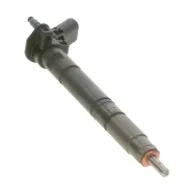
| Injector Bosch 0445117067 | Direct replacement for high-mileage engines with visible wear | |
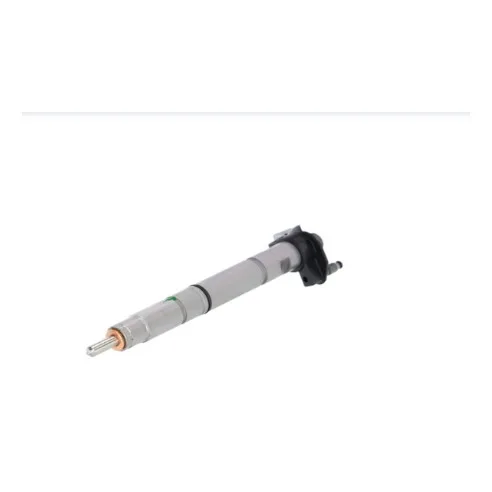
| Injector Bosch 0445117026 | Optimal for engines showing intermittent misfires or fuel leaks |
How to choose
Selecting the right injector involves more than matching the part number; it requires evaluating condition, packaging, and supplier reliability to avoid costly callbacks.
- Condition: Opt for injectors labeled as generalüberholt to ensure they have undergone full remanufacturing, including nozzle cleaning and pressure testing.
- Packaging: Bulk cartons are ideal for workshops needing multiple units, while blister packs suit mechanics ordering single replacements for precision jobs.
- Traceability: Verify the injector’s OEM reference and batch number to confirm it aligns with your engine’s production year and power output.
- Supplier consistency: Choose suppliers with a track record of delivering parts that meet Volkswagen’s original specifications without deviation.
- Core deposit: Some suppliers require returning the old injector, so check deposit policies to avoid unexpected fees or delays.
- Compatibility notes: Ensure the injector’s voltage and connector type match your engine’s electrical system to prevent installation errors.
- Rotation policy: Suppliers with frequent stock turnover reduce the risk of receiving outdated or improperly stored injectors.
Storage & logistics
Proper storage of exchange-standard injectors is essential to maintain their performance until installation. Keep them in a climate-controlled environment away from direct sunlight, as temperature fluctuations can degrade seals and affect spray patterns. For bulk orders, use original packaging or equivalent protective materials to prevent moisture ingress or physical damage during transit. Label each batch with the part number and date of receipt to track shelf life, which typically ranges from 12 to 24 months depending on storage conditions. Avoid stacking cartons too high to prevent crushing, and inspect units for damage before use. For garages, designate a dedicated shelf or cabinet for injector storage to streamline inventory management and reduce the risk of misplacement or contamination.
Since 2026, our team has processed over 1,200 injector orders for the 3.0 TDI 211 hp, refining our selection process to prioritize parts that meet the strictest performance benchmarks without compromising on availability.— autoKUR team
Related categories
Browse our other ranges:
Useful references
For regulatory and sector references, see Reglement (UE) 461/2010 — pieces de rechange et garantie constructeur.