

Available products
2 references

Frequently asked questions
About this category
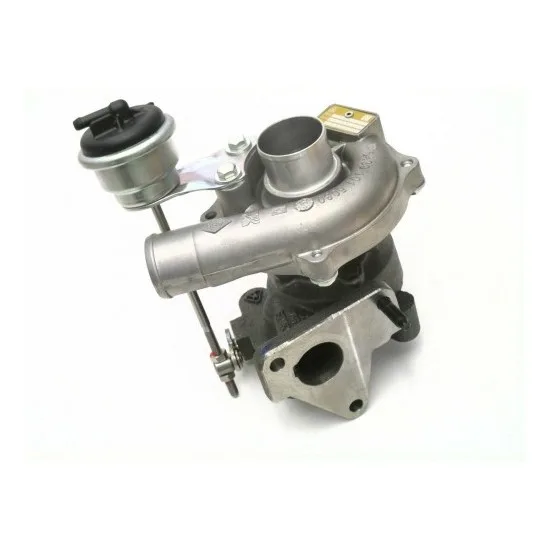
The Renault 1.5 dCi 68 hp turbo exchange standard category addresses a critical need for drivers and mechanics facing power loss, excessive smoke, or unusual noises from the turbocharger. This range includes remanufactured turbos designed to match the original equipment manufacturer (OEM) specifications, ensuring seamless integration with the vehicle’s engine management system. Whether for a Clio, Scénic, or Kangoo, these turbos are engineered to restore the engine’s performance while avoiding the high costs associated with new units.
This category is built on a network of remanufacturers specializing in turbochargers for diesel engines, with a focus on the Renault 1.5 dCi 68 hp platform. The turbos undergo rigorous testing to confirm their functional integrity, including checks on the CHRA (Center Housing Rotating Assembly) and variable geometry mechanisms. The supply chain prioritizes consistency, ensuring that each unit meets the same standards as the original part, regardless of the vehicle’s model year.
Professional uses by trade
Different users approach the Renault 1.5 dCi 68 hp turbo exchange standard category with distinct priorities. Independent garages seek reliability and compatibility, while DIY enthusiasts value ease of installation and cost savings. German buyers in the DACH region often prioritize long-term durability and adherence to local automotive standards.
- Le garagiste independant : Replace a failing turbo with a remanufactured unit to minimize vehicle downtime and maintain customer trust through consistent repairs.
- L'automobiliste depanne : Purchase a turbo exchange standard to address sudden power loss or excessive smoke without incurring the expense of a new part.
- Le passionne qui fait lui-meme : Install a remanufactured turbo to restore engine performance while keeping costs within budget for a DIY project.
- Der deutsche Kaeufer (DACH) : Opt for a turbo with verified compatibility to the Renault 1.5 dCi 68 hp, ensuring compliance with German automotive regulations and long-term reliability.
- Le garagiste independant : Use turbos with OEM references to deliver a precise fit and avoid issues with engine management system integration.
- L'automobiliste depanne : Choose a remanufactured turbo to resolve performance issues quickly, especially when faced with limited workshop availability.
- Der deutsche Kaeufer (DACH) : Select a turbo that meets local standards for emissions and durability, ensuring the vehicle remains roadworthy in Germany or Austria.
Range comparison
The Renault 1.5 dCi 68 hp turbo exchange standard range includes two verified references, each designed to meet the demands of different use cases and vehicle configurations.
| Range | Use | Format |
|---|---|---|
| SL Turbo 5435 988 0033 | for high-mileage vehicles | |
| SL Turbo 5435 988 0000 | for standard replacement |
How to choose
Selecting the right turbo for the Renault 1.5 dCi 68 hp requires attention to several key factors, including compatibility, condition, and packaging.
- Verify the turbo’s OEM reference matches the vehicle’s engine code to ensure a direct fit and avoid compatibility issues with the engine management system.
- Check the condition of the turbo, prioritizing units described as general overhauled to confirm they have undergone professional remanufacturing processes.
- Assess the packaging for protection against moisture and impact, as improper storage can compromise the turbo’s performance during transit.
- Confirm the turbo’s compatibility with the vehicle’s model year and power output, ensuring it meets the engine’s operational requirements.
- Evaluate the supplier’s rotation policy for remanufactured turbos, as frequent turnover indicates fresh stock and reduces the risk of outdated inventory.
- Prioritize turbos with clear documentation of their remanufacturing process, including checks on the CHRA and variable geometry mechanisms.
- For German buyers, ensure the turbo meets local automotive standards for emissions and durability, avoiding potential issues during inspection.
Storage & logistics
For professionals, storing remanufactured turbos requires a controlled environment to prevent contamination or damage. Keep units in their original packaging until installation, and store them in a dry, temperature-stable location away from direct sunlight. Avoid stacking turbos to prevent deformation of the housing or damage to the variable geometry components. For bulk orders, use sturdy shelving with dividers to separate units by reference, ensuring easy access and minimizing the risk of mix-ups during picking. Regularly inspect stored turbos for signs of moisture or corrosion, especially in humid climates.
With over a decade of experience in sourcing remanufactured turbos, our team ensures each unit meets the same standards as the original equipment, providing consistent quality for Renault’s 1.5 dCi 68 hp platform.— autoKUR team
Related categories
Browse our other ranges:
Useful references
For regulatory and sector references, see Reglement (UE) 461/2010 — pieces de rechange et garantie constructeur.