


Frequently asked questions
About this category
The exchange standard turbo category addresses a common need in the automotive aftermarket: replacing a failing turbocharger with a remanufactured unit that meets OEM performance standards. This section is designed for professionals and enthusiasts who require a direct-fit solution for specific motorizations, including the Renault Scenic 3 1.5 dCi 110. Here, you will find turbos that have undergone rigorous testing to ensure they restore power and efficiency without compromising reliability.
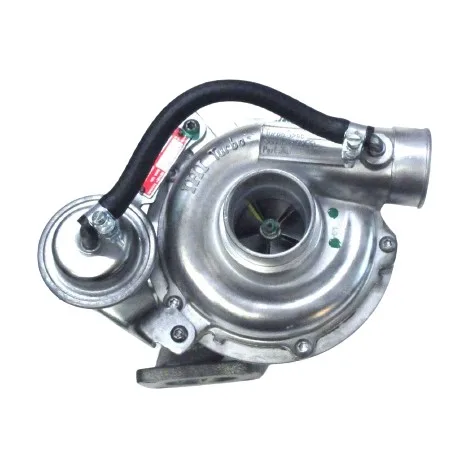
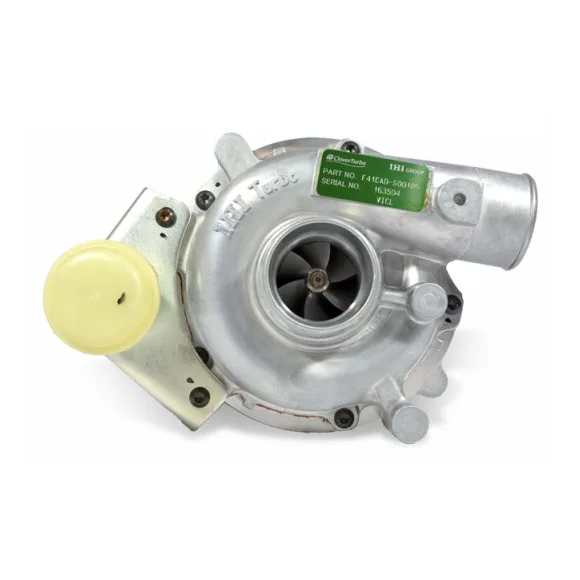
The range is built around core components like the IHI VICL, VIAW, and VIAH models, selected for their widespread use in the Renault 1.5 dCi platform. Each turbo is sourced from reputable remanufacturers and paired with compatible cartridges and CHRA units. The wholesale model ensures garages and distributors receive consistent quality, with motorization-level compatibility as the guiding principle.
Professional uses by trade
Different users approach turbo replacement with distinct priorities. Independent garages focus on turnaround time and compatibility, while DIY enthusiasts may prioritize ease of installation. German buyers often seek bulk options for fleet maintenance. This section outlines how each profile can leverage exchange standard turbos effectively.
- Le garagiste independant : Replace a failing turbo on a Scenic 3 1.5 dCi 110 with a remanufactured unit that matches the original specifications, ensuring minimal downtime for the customer.
- L'automobiliste depanne : Identify the correct turbo model for your Renault Scenic 3 1.5 dCi 110 by cross-referencing the engine code and motorization details to avoid mismatches.
- Le passionne qui fait lui-meme : Source a turbo in exchange standard to restore your vehicle’s performance without the expense of a new unit, using clear motorization guides for self-installation.
- Der deutsche Kaeufer (DACH) : Order turbos in bulk for fleet maintenance, leveraging wholesale pricing and motorization-level compatibility to streamline logistics and reduce costs.
- Le garagiste independant : Use exchange standard turbos to offer customers a cost-effective alternative to new units, with the added benefit of reduced lead times for common motorizations.
- L'automobiliste depanne : Match your Scenic 3 1.5 dCi 110’s symptoms—such as loss of power or excessive smoke—to the correct turbo model using detailed compatibility charts.
- Der deutsche Kaeufer (DACH) : Source turbos that align with your workshop’s inventory needs, ensuring you always have the right model in stock for quick turnaround on repairs.
Range comparison
The following turbos are the core models available for the Renault Scenic 3 1.5 dCi 110 platform. Each is selected for its compatibility and remanufacturing quality, ensuring a direct-fit solution for your motorization.
| Range | Use | Format |
|---|---|---|
| Turbo IHI VICL | common Scenic 3 1.5 dCi 110 | |
| Turbo IHI VIAW | high-demand motorization | |
| Turbo IHI VIAH | alternative fitment |
How to choose
Selecting the right turbo for your Renault Scenic 3 1.5 dCi 110 requires attention to motorization details, condition of the core unit, and compatibility with your vehicle’s system. This section outlines the key criteria to guide your decision.
- Verify the engine code and motorization details to ensure the turbo matches your Scenic 3 1.5 dCi 110’s specifications, avoiding mismatches that could lead to performance issues.
- Inspect the condition of the core unit (turbo to be replaced) for signs of wear or damage, as this affects the exchange standard process and potential core deposit requirements.
- Prioritize turbos with remanufactured cartridges and CHRA units, as these components are critical to restoring consistent performance and longevity.
- Check for motorization-level compatibility charts to confirm the turbo’s fitment across different model years and power outputs within the 1.5 dCi range.
- Consider the packaging and handling requirements for bulk orders, especially if you are a garage or distributor sourcing multiple units for inventory.
- Evaluate the return process for used turbos, including core deposit policies and logistics, to ensure a smooth exchange standard transaction.
- Assess the availability of technical documentation, such as motorization guides and OEM reference cross-references, to simplify the selection and installation process.
Storage & logistics
For garages and distributors, proper storage of exchange standard turbos is essential to maintain their condition and readiness for installation. Keep units in a dry, temperature-controlled environment to prevent moisture damage or corrosion. Organize inventory by motorization and model to streamline order fulfillment and reduce the risk of mismatches. Regularly inspect stored turbos for signs of degradation, such as seal wear or cartridge misalignment, and rotate stock to ensure freshness. Clear labeling and motorization-level categorization are critical for efficient logistics and customer service.
With over a decade of experience in the exchange standard market, our team has refined the process of matching turbos to motorizations like the Renault 1.5 dCi 110. We focus on delivering units that restore performance without compromise, backed by motorization-level compatibility and clear documentation for professionals and enthusiasts alike.— autoKUR team
Related categories
Browse our other ranges:
Useful references
For regulatory and sector references, see Reglement (UE) 461/2010 — pieces de rechange et garantie constructeur.