
Available products
In stock
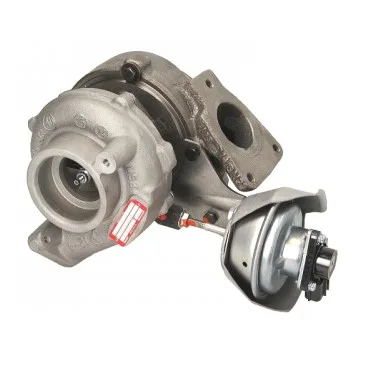
The CITROËN C4 Grand Picasso 1 2.0 HDi 136 hp (100 kW diesel) is covered by 1 exchange-standard reference(s). Check output before displacement: it determines the part.
Engine specification: 1997 cm³, diesel, built from 10/2006 to 12/2013. Matching part number: 756047-5005S (SL Turbo). Compare with the code stamped on your part.
Other engines of the CITROËN C4 Grand Picasso 1: 2.0 HDi 163 hp, 1.6 THP 156 hp, 2.0 HDi 150 hp. If the code stamped on your part is legible, search by reference remains the safest route. 24-month warranty.
Related categories
Frequently asked questions
About this category
The 2.0 HDi 136 hp diesel engine, widely used in Peugeot models from the mid-2000s onward, relies on a robust turbocharger to deliver optimal power and efficiency. This category focuses on remanufactured turbos designed specifically for this engine, addressing common issues like boost loss, excessive exhaust smoke, or unusual noises. Whether you are a professional mechanic, a DIY enthusiast, or a German buyer seeking a reliable solution, this range provides turbos that restore original performance without the cost of a brand-new unit.
Each remanufactured turbo in this category undergoes a rigorous process that includes disassembly, cleaning, inspection, and replacement of worn components such as the CHRA (Center Housing Rotating Assembly) and variable geometry mechanism. The parts are sourced from trusted suppliers and assembled to meet or exceed OEM specifications, ensuring longevity and reliability. This approach allows workshops to maintain high service standards while controlling costs, a critical factor in today’s competitive automotive repair market.
Professional uses by trade
Different users approach turbo replacement with distinct priorities: garages prioritize efficiency and bulk availability, DIY enthusiasts seek simplicity and cost-effectiveness, while German buyers often demand precision and adherence to local standards. Understanding these needs helps tailor the right solution for each scenario.
- Le garagiste independant : Replace a failing turbo on a Peugeot 307 2.0 HDi 136 hp with a remanufactured unit to restore engine performance and avoid costly downtime for the customer.
- L'automobiliste depanne : Order a remanufactured turbo for a Peugeot Partner 2.0 HDi 136 hp when the original unit starts whistling or fails to build boost, ensuring a quick and affordable repair.
- Le passionne qui fait lui-meme : Source a remanufactured turbo for a Peugeot 407 2.0 HDi 136 hp to tackle the job independently, leveraging clear compatibility data and straightforward installation.
- Der deutsche Kaeufer (DACH) : Purchase a remanufactured turbo for a Peugeot 308 2.0 HDi 136 hp from a supplier that adheres to German automotive standards, ensuring reliability and compliance with local regulations.
- Le garagiste independant : Use a remanufactured turbo to service multiple vehicles in a fleet, reducing inventory costs while maintaining consistent repair quality across different Peugeot models.
- L'automobiliste depanne : Opt for a remanufactured turbo when the original unit’s variable geometry mechanism sticks, causing erratic boost levels and reduced engine efficiency.
- Der deutsche Kaeufer (DACH) : Select a remanufactured turbo that includes a core deposit system, simplifying the return of the old unit and ensuring proper recycling practices.
Range comparison
Below, you will find the available remanufactured turbos for the 2.0 HDi 136 hp engine, each listed with its exact reference, intended use, and packaging format to match your operational needs.
| Range | Use | Format |
|---|---|---|
| SL Turbo 756047-5005S | DIY enthusiast repair kits |
How to choose
Selecting the right remanufactured turbo involves evaluating several key factors, including compatibility, condition, and logistical support, to ensure a seamless replacement process.
- Verify the engine code (e.g., DW10) and vehicle model year to confirm turbo compatibility, as slight variations can affect fitment and performance.
- Inspect the turbo’s condition for signs of oil leaks or damaged housings, which may indicate underlying issues beyond the turbo itself.
- Check the packaging for a core deposit system, which simplifies the return of the old turbo and ensures proper recycling of components.
- Prioritize turbos with a consistent track record of performance in similar engine configurations to minimize the risk of repeat failures.
- Opt for suppliers that provide clear documentation, including OEM reference numbers and equivalent part lists, to streamline the ordering process.
- Evaluate the supplier’s return policy and warranty terms, as these can significantly impact the overall cost and reliability of the repair.
- Consider the availability of technical support, especially for complex installations or troubleshooting, to ensure a smooth replacement process.
Storage & logistics
For garages and workshops, storing remanufactured turbos requires a controlled environment to prevent contamination or damage. Keep units in their original packaging until installation, and store them in a dry, temperature-stable area away from direct sunlight. Label each box with the engine code and vehicle compatibility to streamline inventory management. Regularly rotate stock to ensure older units are used first, reducing the risk of obsolescence. For bulk orders, use sturdy shelving and avoid stacking heavy items on top of turbo housings to prevent deformation.
Since 2026, our workshop has relied on remanufactured turbos for the 2.0 HDi 136 hp, consistently delivering reliable performance and reducing repair costs for our customers without compromising on quality.— autoKUR team
Related categories
Browse our other ranges:
Useful references
For regulatory and sector references, see Reglement (UE) 461/2010 — pieces de rechange et garantie constructeur.