


Frequently asked questions
About this category
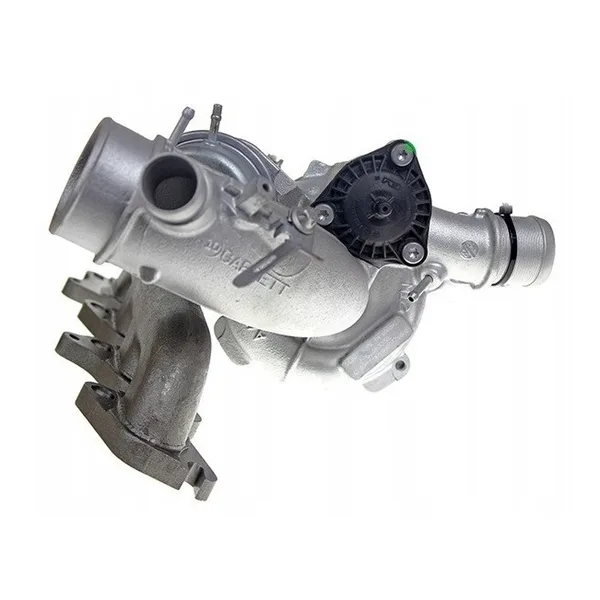
The turbocharger exchange standard category addresses the growing demand for high-quality, cost-effective alternatives to brand-new turbos for Renault Scenic 3 1.5 dCi 110 models. This range is designed for both professional mechanics seeking reliable parts for repairs and automotive enthusiasts performing maintenance themselves, offering a balance between affordability and performance without compromising on quality.
This category is built on a network of trusted remanufacturers who specialize in restoring turbochargers to their original specifications, ensuring they meet the strict tolerances required for seamless integration into your vehicle. The role of the wholesaler here is to streamline access to these parts, providing mechanics and DIYers with a curated selection that eliminates guesswork and reduces lead times for critical repairs.
Professional uses by trade
Whether you are a professional mechanic diagnosing a turbo failure or an owner tackling repairs yourself, this category provides the tools and parts needed to restore your Renault Scenic 3 1.5 dCi 110 to optimal performance efficiently and affordably.
- Le garagiste indépendant : Replace a failing turbocharger with a remanufactured unit to restore engine power and fuel efficiency without the expense of a new OEM part.
- L'automobiliste dépanné : Purchase a turbocharger exchange standard to resolve sudden power loss or excessive smoke from the exhaust, ensuring safe and reliable driving.
- Le passionné qui fait lui-même : Source a compatible turbo for a DIY replacement, leveraging detailed compatibility guides to avoid costly mistakes during installation.
- Der deutsche Käufer (DACH) : Find a high-quality remanufactured turbo for the Renault Scenic 3 1.5 dCi 110, ensuring compliance with European emission standards and long-term reliability.
- Le garagiste indépendant : Use exchange standard turbos to offer customers a budget-friendly alternative to new parts, maintaining workshop profitability while delivering trusted results.
- L'automobiliste dépanné : Address turbo failure symptoms like lag or whining noises by sourcing a remanufactured unit, reducing repair costs without sacrificing performance.
- Der deutsche Käufer (DACH) : Rely on a wholesaler’s expertise to source a turbo that meets strict German automotive standards, ensuring compatibility and durability for local driving conditions.
Range comparison
Below, you will find the two turbocharger exchange standard options available for your Renault Scenic 3 1.5 dCi 110, each designed to meet the demands of professional garages and DIY enthusiasts alike.
| Range | Use | Format |
|---|---|---|
| SL Turbo 49477-01510 | direct replacement for common turbo failures | |
| SL Turbo 781504-5004S | high-performance remanufactured turbo |
How to choose
Selecting the right turbocharger exchange standard requires careful consideration of compatibility, condition, and intended use to ensure a successful repair and long-term reliability.
- Verify the turbocharger’s compatibility with your Renault Scenic 3 1.5 dCi 110 by cross-referencing the OEM reference and engine code to avoid mismatches.
- Inspect the condition of the remanufactured unit, ensuring it has undergone thorough testing for leaks, bearing wear, and vane geometry to deliver consistent performance.
- Check the packaging and preservation methods used by the supplier, as proper storage prevents contamination and ensures the turbo arrives in optimal condition for installation.
- Assess the supplier’s rotation policy for remanufactured turbos, as frequent turnover indicates fresh stock and reduces the risk of receiving outdated or improperly stored units.
- Evaluate the warranty terms offered, even if generic, as they reflect the supplier’s confidence in the remanufacturing process and the durability of the product.
- Consider the core deposit policy, which may apply when returning your old turbo, as this can offset the cost of the new unit and encourage responsible recycling of automotive parts.
- Prioritize suppliers with transparent remanufacturing processes, as detailed documentation of repairs and replacements provides assurance of the unit’s quality and reliability.
Storage & logistics
Proper storage of turbochargers is critical to maintaining their performance and longevity, especially in a wholesale or workshop environment. Remanufactured turbos should be kept in a climate-controlled space, free from excessive humidity or temperature fluctuations, to prevent corrosion or damage to internal components. Units must be stored in their original packaging or equivalent protective materials, with desiccant packs included to absorb moisture and avoid condensation. Regular inventory rotation ensures that older stock is used first, reducing the risk of parts degrading over time. Suppliers should also implement a first-in, first-out (FIFO) system to maintain freshness and reliability, while clear labeling of each unit’s reference and condition helps streamline retrieval and reduces errors during order fulfillment.
With over a decade of experience in turbocharger remanufacturing, our team has refined the process to deliver units that restore engine performance without the premium cost of new parts, ensuring mechanics and owners alike can trust the reliability of every turbo we supply.— autoKUR team
Related categories
Browse our other ranges:
Useful references
For regulatory and sector references, see Reglement (UE) 461/2010 — pieces de rechange et garantie constructeur.