


Frequently asked questions
About this category
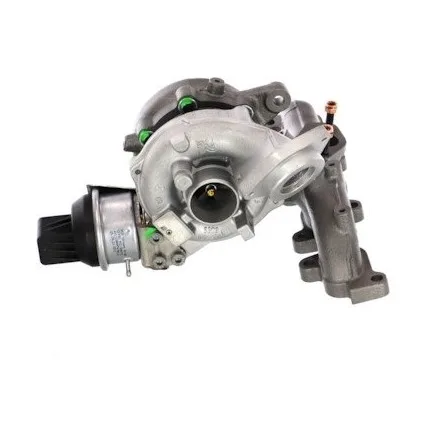
The 2.0 TDI 143 hp turbo exchange-standard category addresses a common failure point in diesel engines, where loss of power, excessive smoke, or a whining noise signals turbocharger wear. This range serves garages, self-repairing owners, and German-speaking buyers seeking a no-fuss replacement that aligns with original equipment standards. No installation services are provided—only the turbocharger itself, remanufactured to restore factory-like performance.
This lineup is curated for wholesale distribution, with turbos selected for their remanufacturing quality and broad aftermarket acceptance. The grossist role ensures consistent supply, while the exchange-standard model simplifies logistics for buyers who return their core turbos. Brands like BorgWarner and SL Turbo dominate this segment, reflecting their dominance in OEM and aftermarket fitments.
Professional uses by trade
Different users approach turbo replacement with distinct priorities: garages need bulk availability and traceable cores, DIY owners seek clear compatibility guides, and German buyers prioritize brands with local support. Each group relies on exchange-standard turbos to minimize downtime and costs.
- Independent garage: Order turbos in bulk with core deposits to reduce upfront costs and streamline returns for customers.
- DIY owner: Select a direct-fit turbo with clear OEM reference matching to avoid misfires or performance drops after installation.
- German buyer: Prefer brands like BorgWarner for their reputation in TDI applications and availability of German-language support.
- Stranded motorist: Replace a failing turbo quickly with an exchange-standard unit to restore drivability without waiting for OEM parts.
- Workshop manager: Stock turbos with consistent quality to meet service-level agreements and reduce emergency orders.
- Passionate mechanic: Pair a remanufactured turbo with fresh injectors or high-pressure pumps for a complete fuel-system refresh.
- Retail buyer: Choose an exchange-standard turbo with a core deposit to offset the cost of returning the old unit.
Range comparison
Below are the two exchange-standard turbos validated for the 2.0 TDI 143 hp, listed with their exact references and primary use cases for professionals and owners alike.
| Range | Use | Format |
|---|---|---|
| Turbo BorgWarner - KKK 5440 988 0037 | Direct replacement for VW/Audi TDI engines | |
| SL Turbo 5440 988 0036 | High-volume fitment for Skoda and VW models |
How to choose
Selecting the right turbo for a 2.0 TDI 143 hp requires attention to packaging, core handling, and brand consistency. Professionals should prioritize turbos with clear OEM references and bulk-friendly formats to optimize inventory turnover.
- Verify the turbo’s OEM reference matches the engine code to avoid fitment issues or performance mismatches after installation.
- Opt for turbos with core deposits to reduce upfront costs and simplify the return process for customers or your own stock rotation.
- Prioritize brands with a track record in TDI applications, such as BorgWarner or SL Turbo, for reliability and aftermarket support.
- Choose packaging that protects the turbo during transit, especially for bulk orders or international shipments to German-speaking regions.
- Select turbos with consistent remanufacturing standards to ensure predictable performance and longevity in service.
- Check for clear labeling of the CHRA (center housing rotating assembly) and cartridge to confirm compatibility with your engine’s geometry.
- Avoid turbos without traceable cores, as these complicate returns and may incur additional fees for non-compliant units.
Storage & logistics
For B2B buyers, store exchange-standard turbos in a climate-controlled environment to prevent moisture damage or corrosion. Use shelving designed for heavy components, and rotate stock based on expiration dates or core return deadlines. Label each unit with its OEM reference and core deposit status to streamline inventory audits. German buyers should ensure storage complies with local regulations for automotive parts, avoiding direct sunlight or extreme temperature fluctuations that could degrade seals or bearings.
With over a decade in the exchange-standard turbo market, our team has seen how a well-matched remanufactured unit can restore a 2.0 TDI’s performance without the wait or cost of an OEM part. Consistency in quality and compatibility is what sets our range apart for garages and owners alike.— autoKUR team
Related categories
Browse our other ranges:
Useful references
For regulatory and sector references, see Reglement (UE) 461/2010 — pieces de rechange et garantie constructeur.