
Available products
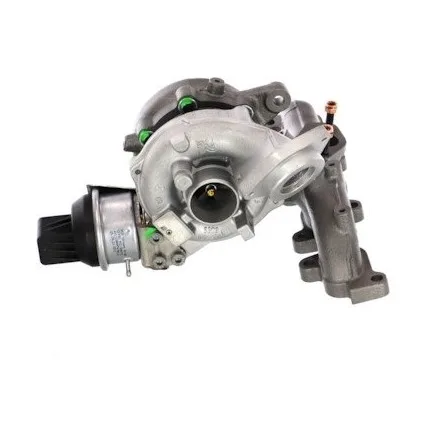
In stock
1 exchange-standard reference(s) match the AUDI A1 Sportback (8XA / 8XF) 2.0 TDI 136 hp (100 kW diesel). Output is the deciding criterion: a part meant for another output of the same displacement will not fit.
Engine specification: 1968 cm³, diesel, built from 05/2012 to 04/2015. Matching part number: 5440 988 0037 (BorgWarner - KKK). Compare with the code stamped on your part.
Other engines of the AUDI A1 Sportback (8XA / 8XF): 1.4 TFSI 185 hp, 1.4 TFSI 150 hp, 2.0 TDI 143 hp. If the code stamped on your part is legible, search by reference remains the safest route. 24-month warranty.
Related categories
Frequently asked questions
About this category
The 2.0 TDI 136 hp turbo category addresses a common pain point for drivers and mechanics: turbocharger failure in Volkswagen Group vehicles, including Audi, Seat, and Skoda models. This range includes exchange standard turbos designed for direct replacement, eliminating the need for costly OEM purchases. Whether you're a professional mechanic or a car owner tackling repairs yourself, this category provides the right turbo for your motorization, ensuring restored performance and efficiency.
Turbochargers in this category are sourced from reputable remanufacturers who specialize in restoring turbo cores to original specifications. The wholesale model ensures competitive pricing and consistent availability, while the focus on OEM references and motorization compatibility delivers a precise fit. This approach bridges the gap between OEM quality and aftermarket affordability, making it ideal for both garages and DIY enthusiasts.
Professional uses by trade
Different users approach turbo replacement with distinct priorities: garages prioritize efficiency and stock rotation, while DIY enthusiasts focus on cost savings and ease of installation. German buyers, in particular, value precision and long-term reliability in their repairs. Understanding these needs helps tailor the turbo selection process.
- Independent garage: Replace a failing turbo on a 2012 Volkswagen Passat 2.0 TDI 136 hp with a remanufactured BorgWarner unit, restoring power and fuel efficiency without OEM costs.
- DIY enthusiast: Source a turbo for a 2010 Audi A4 2.0 TDI 136 hp to avoid expensive dealership repairs, ensuring the part matches the vehicle’s motorization exactly.
- German buyer: Purchase a turbo for a 2014 Seat Leon 2.0 TDI 136 hp from a trusted supplier, prioritizing compatibility and long-term performance in harsh driving conditions.
- Mechanic in a small workshop: Stock exchange standard turbos for 2.0 TDI 136 hp engines to reduce lead times and maintain a competitive edge in the local market.
- Car owner with mechanical skills: Diagnose turbo failure symptoms like excessive smoke or power loss, then order the correct turbo for a 2013 Skoda Octavia 2.0 TDI 136 hp to complete the repair independently.
- Fleet manager: Maintain a rotating stock of turbos for 2.0 TDI 136 hp vehicles to minimize downtime and ensure quick replacements for company cars.
- Passionate driver: Upgrade a worn-out turbo on a 2011 Volkswagen Golf 2.0 TDI 136 hp to improve engine responsiveness and reduce emissions during long-distance drives.
Range comparison
This section compares exchange standard turbos specifically designed for the 2.0 TDI 136 hp motorization, highlighting their compatibility, remanufacturing standards, and OEM references. Each option is tailored to restore performance without compromising reliability.
| Range | Use | Format |
|---|---|---|
| Turbo BorgWarner - KKK 5440 988 0037 | Preferred by DIY enthusiasts for its straightforward installation |
How to choose
Selecting the right turbo for a 2.0 TDI 136 hp engine requires attention to motorization compatibility, remanufacturing quality, and OEM references. Professionals should prioritize turbos with verified cores and clear documentation to avoid installation issues.
- Verify the turbo’s compatibility with your vehicle’s motorization by cross-referencing the OEM reference and power output, ensuring a precise fit for the 2.0 TDI 136 hp.
- Choose a turbo with a remanufactured core from a reputable supplier to deliver consistent performance and longevity, avoiding substandard aftermarket alternatives.
- Prioritize turbos with clear OEM references and motorization details to simplify the replacement process and reduce the risk of mismatched parts.
- Opt for turbos that include a core deposit option, allowing you to return the old unit and offset costs while maintaining a sustainable supply chain.
- Select a turbo with documented remanufacturing standards, such as balanced cartridges and tested variable geometry, to ensure reliability in demanding driving conditions.
- For garages, consider turbos with bulk packaging options to streamline inventory management and reduce per-unit costs for frequent replacements.
- Ensure the turbo’s motorization range includes your vehicle’s production year and power output, avoiding generic fits that may not meet your engine’s specifications.
Storage & logistics
For garages and workshops, storing exchange standard turbos requires climate-controlled environments to prevent moisture damage and corrosion. Rotate stock regularly to avoid obsolescence, and use clear labeling to distinguish between motorization-specific turbos. For DIY enthusiasts, storing a spare turbo in a dry, temperature-stable space ensures it remains ready for installation when needed. Bulk purchases should be organized by motorization and power output to simplify retrieval and reduce errors during busy repair periods.
With over a decade of experience in turbo remanufacturing, our team ensures every 2.0 TDI 136 hp turbo meets strict quality standards before reaching your workshop or garage. We focus on precision and reliability, so you can trust the part to restore your engine’s performance without compromise.— autoKUR team
Related categories
Browse our other ranges:
Useful references
For regulatory and sector references, see Reglement (UE) 461/2010 — pieces de rechange et garantie constructeur.