

Available products
4 references

Frequently asked questions
About this category
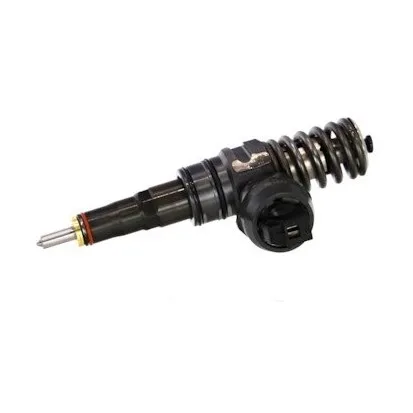
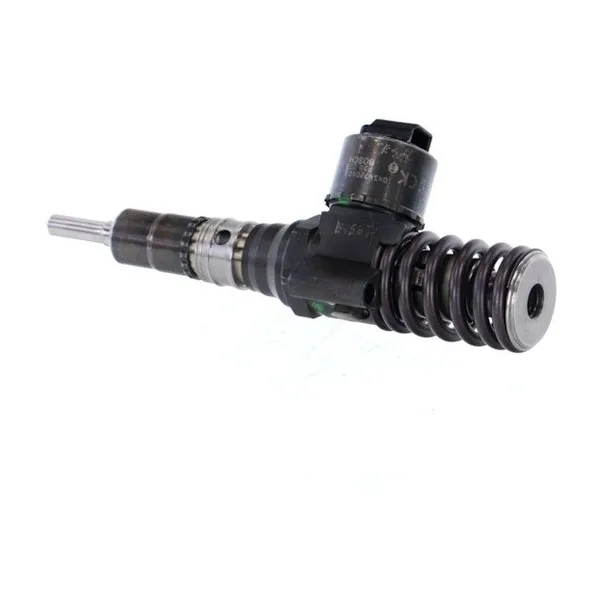
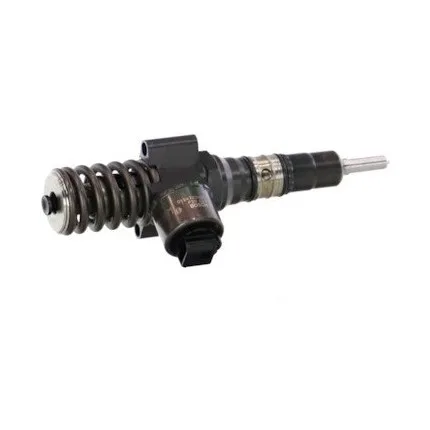
The Volkswagen 2.0 TDI 136 HP injector category addresses a common pain point for both professional mechanics and DIY enthusiasts: degraded engine performance due to failing fuel injectors. Whether the vehicle shows symptoms like rough idling, excessive smoke, or power loss, replacing the injector with an exchange standard unit restores optimal combustion efficiency. This category includes remanufactured injectors designed for direct fitment, eliminating the need for costly OEM replacements while maintaining the same performance standards.
The range is built around a carefully curated selection of injectors from leading manufacturers, selected for their compatibility with the 2.0 TDI 136 HP engine across multiple model years. Each injector undergoes a rigorous remanufacturing process that includes cleaning, calibration, and functional testing to ensure it meets the original equipment specifications. The role of the wholesaler here is to provide bulk availability, competitive pricing, and logistical support to workshops and retailers who require consistent supply without the delays of direct OEM sourcing.
Professional uses by trade
Different users approach injector replacement with distinct priorities: garages prioritize bulk availability and fast turnaround, while DIY enthusiasts focus on ease of installation and cost efficiency. The following usage scenarios reflect these varied needs across all target audiences.
- Independent garage: Replace failing injectors in fleet vehicles to restore power and reduce emissions without scheduling costly workshop downtime.
- DIY enthusiast: Swap a faulty injector in a weekend project car, using an exchange standard unit to avoid the expense of a brand-new OEM part.
- German mechanic (DACH): Source injectors for older TDI models where OEM parts are scarce, relying on remanufactured units to extend vehicle lifespan.
- Passionate driver: Address misfires and fuel inefficiency in a daily-driven TDI by installing a tested exchange standard injector.
- Workshop manager: Maintain a stock of calibrated injectors to handle emergency repairs, ensuring minimal disruption to customer schedules.
- Truck fleet operator: Replace injectors across multiple vehicles to standardize performance and reduce fuel consumption in high-mileage fleets.
- Classic car restorer: Source injectors for a restored TDI project, where original parts are unavailable but performance must remain factory-spec.
Range comparison
The following table compares the available injectors for the Volkswagen 2.0 TDI 136 HP, highlighting their compatibility, packaging, and intended use cases to simplify selection for professionals and enthusiasts alike.
| Range | Use | Format |
|---|---|---|
| Injector Bosch 0414720312 | Direct replacement for high-mileage TDI engines | |
| Injector Bosch 0414720404 | Fleet maintenance and emergency repairs | |
| Injector Bosch 0445116030 | Performance-oriented applications with strict tolerances | |
| Injector Bosch 0414720403 | Standard workshop inventory for quick swaps |
How to choose
Selecting the right injector involves evaluating several key factors beyond mere compatibility, including packaging, storage conditions, and rotational turnover in inventory to ensure peak performance upon installation.
- Prioritize injectors with sealed packaging to prevent contamination before installation, especially for long-term storage in workshop environments.
- Check the injector’s condition code to match it with the vehicle’s engine management system requirements, avoiding mismatches that could trigger fault codes.
- Opt for bulk packaging when ordering for multiple vehicles to reduce per-unit costs and streamline inventory management in high-volume garages.
- Verify the injector’s calibration date to ensure it aligns with the vehicle’s model year and power output specifications for seamless integration.
- Select injectors from suppliers with a proven track record in remanufacturing, as consistency in quality directly impacts engine longevity.
- Consider the injector’s core deposit policy if returning a used unit, as this can offset costs and support sustainable repair practices.
- Evaluate the injector’s compatibility with aftermarket tuning solutions, ensuring it can handle increased fuel pressures without degradation.
Storage & logistics
Proper storage of exchange standard injectors is essential to maintain their performance until installation. Keep units in a climate-controlled environment, away from direct sunlight and moisture, to prevent seal degradation or internal corrosion. For bulk orders, use original packaging or equivalent protective materials to shield injectors from dust and physical damage during handling. Rotate stock regularly to avoid exceeding shelf life, especially for units stored in less-than-ideal conditions. Label inventory clearly with purchase dates and model compatibility to streamline retrieval and reduce the risk of misplacement. In workshops, designate a dedicated storage area for fuel system components, separate from other automotive parts, to minimize cross-contamination risks.
With over a decade of experience in remanufacturing fuel system components, our team understands the critical role injectors play in maintaining engine efficiency and reliability, which is why we rigorously test every unit before it reaches our customers.— autoKUR team
Related categories
Browse our other ranges:
Useful references
For regulatory and sector references, see Reglement (UE) 461/2010 — pieces de rechange et garantie constructeur.