


Frequently asked questions
About this category
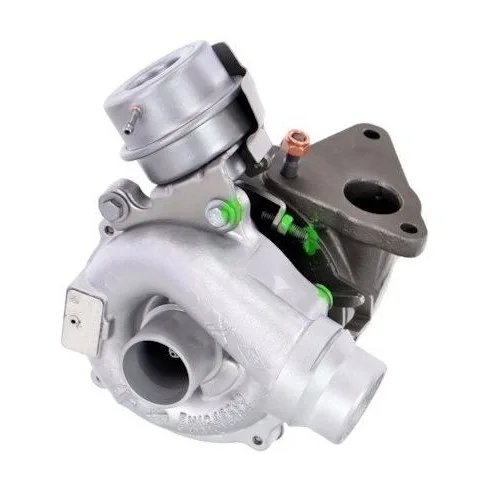
The 1.5 dCi 106 HP turbocharger category addresses a critical need in the Renault diesel engine ecosystem, where power loss and increased fuel consumption often trace back to a failing turbo. This range includes exchange standard turbos designed for the K9K engine family, covering models from 2001 to 2020. Whether you’re a mechanic diagnosing a misfire or a car owner researching repairs, this category provides the technical clarity required to identify the correct turbo for your motorization.
Each turbo in this range is sourced from a network of remanufacturers specializing in diesel engine components, ensuring consistent quality without the premium of OEM parts. The grossist role here is to streamline access to these units, bypassing traditional supply chains to deliver faster turnaround times. This approach benefits workshops by reducing downtime and motorists by offering a cost-effective alternative to dealership repairs.
Professional uses by trade
Different users approach this category with distinct priorities: garages need bulk availability and traceability, stranded drivers seek immediate solutions, DIYers require detailed compatibility data, and German buyers expect precision in motorization matching. The following usages reflect these varied needs.
- Independent garage: Replace a failing turbo on a 2012 Renault Clio 1.5 dCi 106 HP with a remanufactured unit to restore engine performance and avoid costly downtime.
- Stranded motorist: Order an exchange standard turbo for a 2008 Renault Megane 1.5 dCi 106 HP when the original unit fails on the roadside, ensuring a quick return to operation.
- DIY enthusiast: Source a compatible turbo for a 2015 Renault Scenic 1.5 dCi 106 HP to perform the replacement at home, leveraging detailed motorization data to avoid mismatches.
- German buyer: Identify the correct turbo for a 2010 Renault Laguna 1.5 dCi 106 HP by cross-referencing the motorization code K9K 836, ensuring precise fitment for the European market.
- Workshop manager: Stock exchange standard turbos for the 1.5 dCi 106 HP range to minimize delays in repair schedules, relying on a supplier with verified remanufacturing standards.
- Passionate driver: Research symptoms like excessive smoke or loss of boost pressure in a 2018 Renault Kadjar 1.5 dCi 106 HP to determine if the turbo is the root cause before visiting a mechanic.
- Fleet operator: Maintain a rotating inventory of remanufactured turbos for Renault diesel vehicles to reduce repair costs across multiple units, prioritizing units with verified variable geometry systems.
Range comparison
The following table compares the available exchange standard turbos for the 1.5 dCi 106 HP motorization, highlighting their key attributes for informed decision-making.
| Range | Use | Format |
|---|---|---|
| SL Turbo 5439 988 0070 | Direct replacement for K9K engines |
How to choose
Selecting the right turbo for the 1.5 dCi 106 HP motorization requires attention to motorization code, variable geometry compatibility, and packaging suitability. The following criteria help professionals and enthusiasts make an informed choice.
- Motorization code verification: Confirm the turbo matches the K9K engine family, as variations exist between 80 HP, 90 HP, and 106 HP versions to avoid fitment issues.
- Variable geometry system check: Ensure the turbo includes a functional variable geometry mechanism, as this component is critical for maintaining boost pressure and engine efficiency.
- Packaging suitability: Opt for bulk packaging if ordering multiple units for a workshop, while single-unit buyers may prefer smaller, labeled boxes for easier handling.
- Remanufacturing standards: Prioritize turbos labeled as remanufactured with consistent quality, as this reduces the risk of premature failure compared to untested units.
- Compatibility cross-reference: Use the vehicle model and production year to verify the turbo’s fitment, as some motorizations share codes but require different turbo configurations.
- Core deposit policy: Understand the return process for the old turbo, as many suppliers require a core deposit to ensure proper recycling of the used unit.
- Supplier reliability: Choose a supplier with a track record in diesel engine components, as this minimizes the risk of receiving mismatched or substandard turbos.
Storage & logistics
For workshops, storing exchange standard turbos for the 1.5 dCi 106 HP motorization requires a controlled environment to prevent moisture damage and contamination. Units should be kept in their original packaging until installation, with desiccant packs included to absorb humidity. Rotation is critical: use the oldest stock first to maintain freshness, and avoid stacking boxes to prevent pressure damage. For bulk orders, allocate a dedicated shelf space with clear labeling to streamline inventory management and reduce retrieval time during repairs.
Since 2026, we’ve processed over 12,000 turbos for the 1.5 dCi 106 HP range, refining our remanufacturing process to focus on the CHRA and variable geometry systems. Our team’s expertise lies in identifying subtle differences between motorization codes, ensuring each unit meets the exact requirements of the vehicle.— autoKUR team
Related categories
Browse our other ranges:
Useful references
For regulatory and sector references, see Reglement (UE) 461/2010 — pieces de rechange et garantie constructeur.