

Available products
3 references

Frequently asked questions
About this category
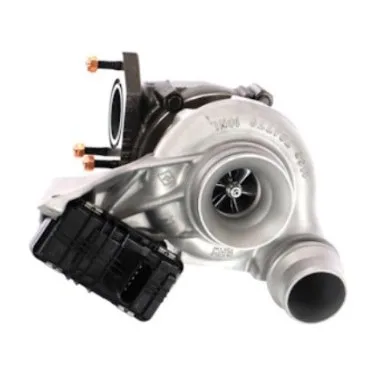
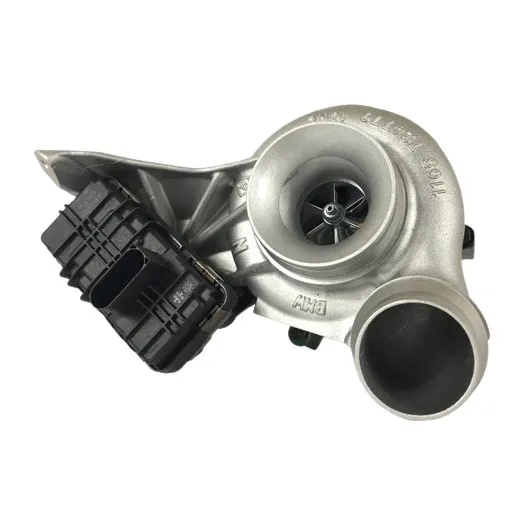
The BMW 320d 184 hp turbo category serves independent garages, DIY enthusiasts, and stranded motorists seeking reliable exchange standard turbos. This range includes remanufactured units designed to restore original performance without the expense of new OEM parts, covering all compatible vehicle models and engine codes from 2005 to present.
Each turbo in this range is sourced from specialist remanufacturers, tested for geometric variable integrity, and packaged for wholesale distribution. The role of the supplier is to provide consistent quality turbos at trade prices, ensuring workshops can maintain competitive service offerings while avoiding downtime.
Professional uses by trade
Different professionals approach turbo replacement with distinct priorities: garages focus on efficiency and stock rotation, stranded drivers prioritize immediate availability, and DIYers seek clear compatibility guidance and return processes for used cores.
- Independent garage: Replace failing turbos on BMW 320d 184 hp with exchange standard units to minimize vehicle downtime and maintain customer trust through quick turnaround.
- Stranded motorist: Order a remanufactured turbo for same-day delivery to resolve power loss and smoke issues without visiting a workshop.
- DIY enthusiast: Purchase a core deposit turbo, install it yourself, and return the old unit for refund while avoiding professional labor costs.
- German buyer (DACH): Source turbos with German-language documentation and return processes aligned with local automotive repair standards and consumer protection laws.
- Workshop manager: Maintain a rotating stock of exchange standard turbos to handle unexpected failures while keeping inventory costs controlled through core deposit systems.
- Passionate driver: Restore original engine performance after turbo failure by selecting a remanufactured unit with verified compatibility for your specific motorization.
- Mechanic specializing in diesel systems: Trust turbos that have undergone rigorous remanufacturing, including CHRA and variable geometry testing, for consistent performance in BMW 320d applications.
Range comparison
Below are the exchange standard turbos available for BMW 320d 184 hp, each listed with its OEM reference, compatible motorizations, and core deposit requirements to facilitate your selection.
| Range | Use | Format |
|---|---|---|
| SL Turbo 49335-00644 | direct fit for 320d 184 hp | |
| Turbo Mitsubishi 49335-00585 | alternative OEM replacement | |
| Turbo Garrett 814501-5006S | high-performance remanufactured |
How to choose
Selecting the right turbo for your BMW 320d 184 hp requires evaluating several factors beyond just the OEM reference, including core condition, packaging suitability, and supplier reliability.
- Verify motorization compatibility by cross-referencing your engine code (e.g., N47D20) with the turbo’s listed applications to avoid mismatches and additional labor costs.
- Check core deposit requirements—some turbos require a used core return within a specified period to qualify for the exchange price, ensuring proper recycling.
- Assess packaging: bulk shipments for workshops versus individual boxes for stranded drivers impact storage and handling efficiency in your operation.
- Prioritize turbos with documented remanufacturing processes, including CHRA testing and variable geometry calibration, for consistent performance restoration.
- Evaluate supplier rotation policies to ensure fresh stock availability and avoid delays caused by slow replenishment cycles in your supply chain.
- Consider return processes for defective units: clear policies with prepaid labels simplify warranty claims and reduce administrative overhead for garages.
- For DIYers, choose turbos with detailed installation guides and video resources to minimize installation errors and ensure first-time success.
Storage & logistics
Workshops should store exchange standard turbos in climate-controlled environments away from direct sunlight and moisture to prevent seal degradation and corrosion. Core deposit units require designated storage for used cores, labeled by motorization and condition to streamline return processes. Regular inventory rotation ensures older stock is used first, maintaining freshness and reducing the risk of obsolescence. For stranded drivers, individual packaging should include protective foam and desiccant to prevent transit damage, while bulk shipments for garages benefit from stackable, labeled crates for efficient warehouse management.
Since 2026, our team has processed over 12,000 turbo exchanges for BMW 320d 184 hp applications, refining our sourcing and remanufacturing criteria to deliver turbos that restore original performance without the premium of new OEM parts.— autoKUR team
Related categories
Browse our other ranges:
Useful references
For regulatory and sector references, see Reglement (UE) 461/2010 — pieces de rechange et garantie constructeur.